
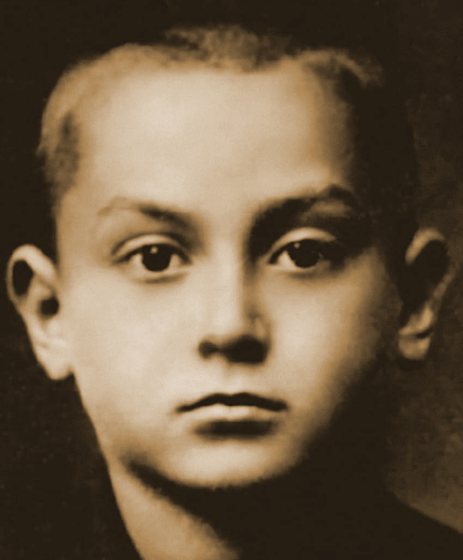
Vilna ghetto · age 15
Yitskhok Rudashevski
Wrote in Yiddish. Documented the ghetto's stubborn cultural life, its libraries, its literary circles, its refusal to stop being a civilisation.
Murdered at Ponar, 1943Anne Frank's diary is one of the most widely read books on earth. Her life, her hiding place, how she actually died, and how we know the diary is real. And the others who were writing at the same time.
Each of these has a fuller answer below: who she was, the hiding place, the diary, how she died, whether the diary is real.
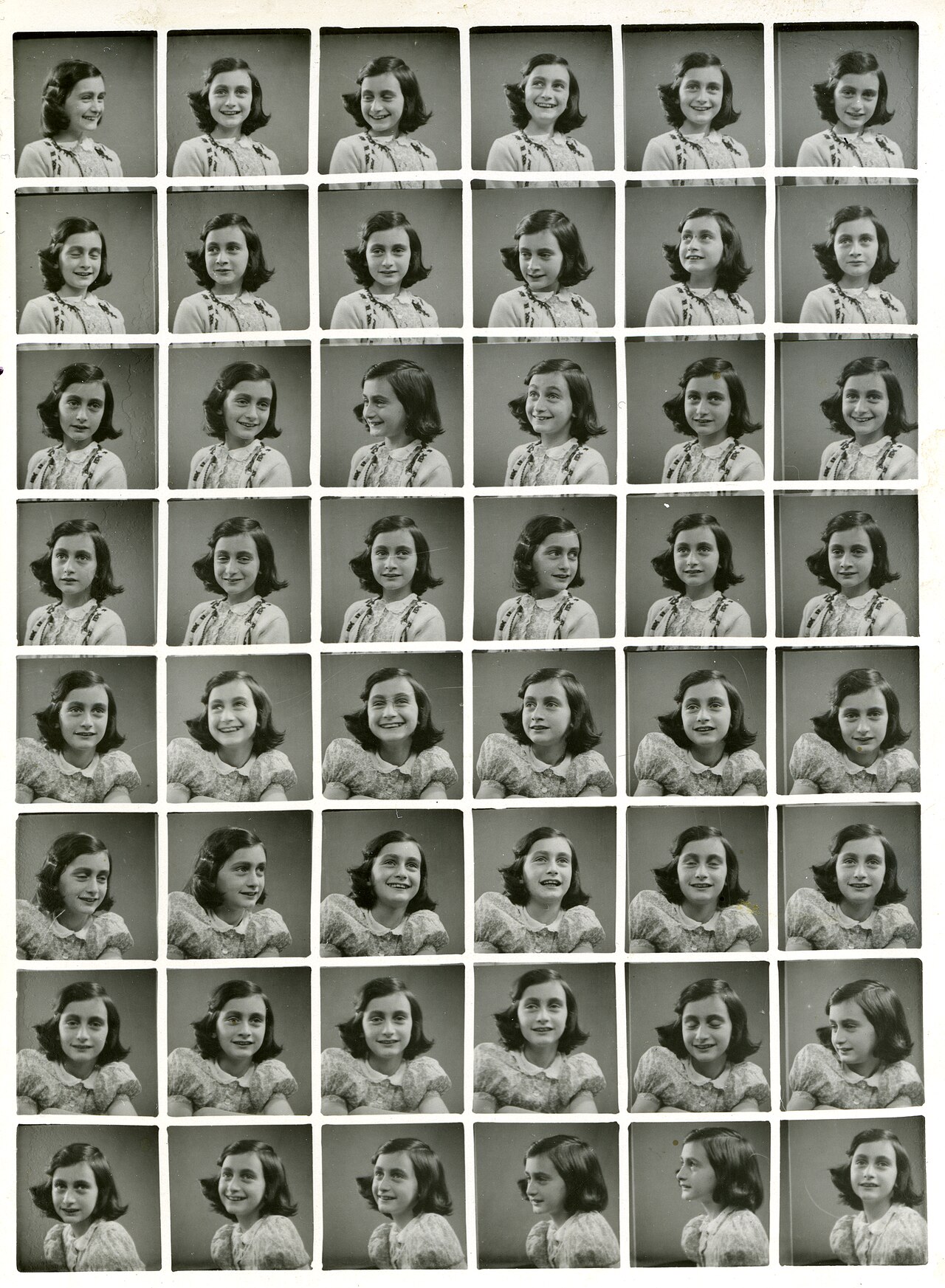
A German-born Jewish girl who spent most of her short life in Amsterdam, and whose private notebook became a public document after her death.
Annelies Marie Frank was born in Frankfurt am Main on June 12, 1929, the second daughter of Otto and Edith Frank. Her sister Margot was three years older.
After the Nazi rise to power the family left Germany for the Netherlands, where Otto Frank built a business in Amsterdam. Anne grew up Dutch-speaking and went to a Montessori school. She was a famous chatterbox: one teacher at the Jewish Lyceum kept setting her punishment essays on the subject.
Then the occupation closed around her. From 1940 the German authorities in the Netherlands issued measure after measure against Jews: registration, exclusion from professions, the yellow star. From September 1, 1941, Jewish pupils and teachers were barred from ordinary Dutch schools. Amsterdam set up twenty-five segregated Jewish schools. Anne and Margot were sent to the Jewish Lyceum, which opened its doors on October 15, 1941, staffed entirely by Jewish teachers because the decree required it. Anne was placed in class 1L2, and stayed until July 6, 1942, the day the family disappeared.
That detail matters more than it looks. The girl who wrote the most famous diary of the Holocaust was, first, a schoolgirl who was expelled from her own classroom for being Jewish.
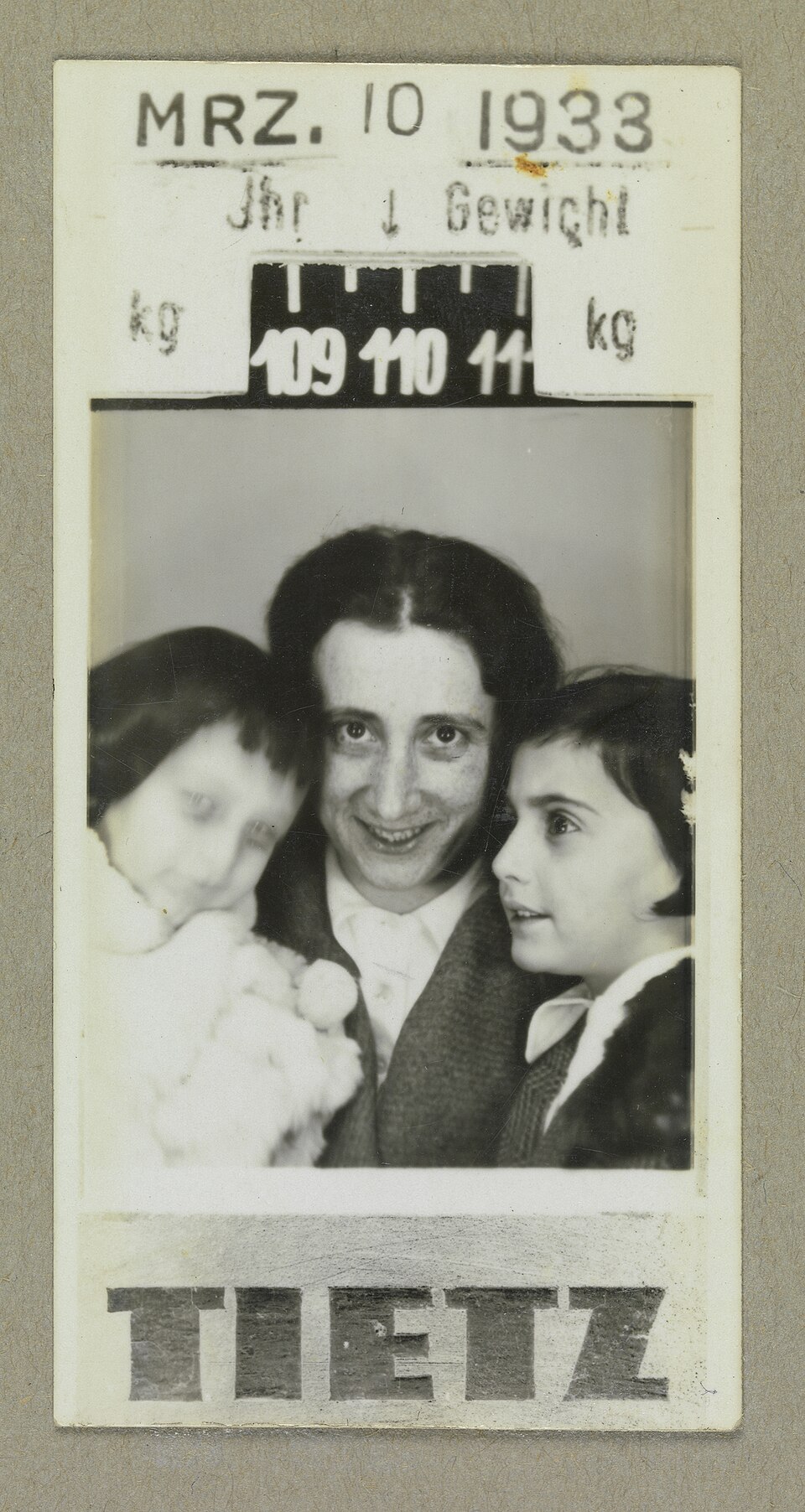
There is no film of Anne Frank in the hiding place. There is no film of her in a camp. There is this: a few seconds of a twelve-year-old leaning out of a window because something interesting is happening in the street.
It is worth watching before reading anything else about her, because it restores the thing the fame takes away. She was a child in a neighborhood, in an ordinary summer, eleven months before she went into hiding.
The Franks had left Germany for the Netherlands precisely to be out of Hitler's reach. On one morning in May, the reach caught up with them.
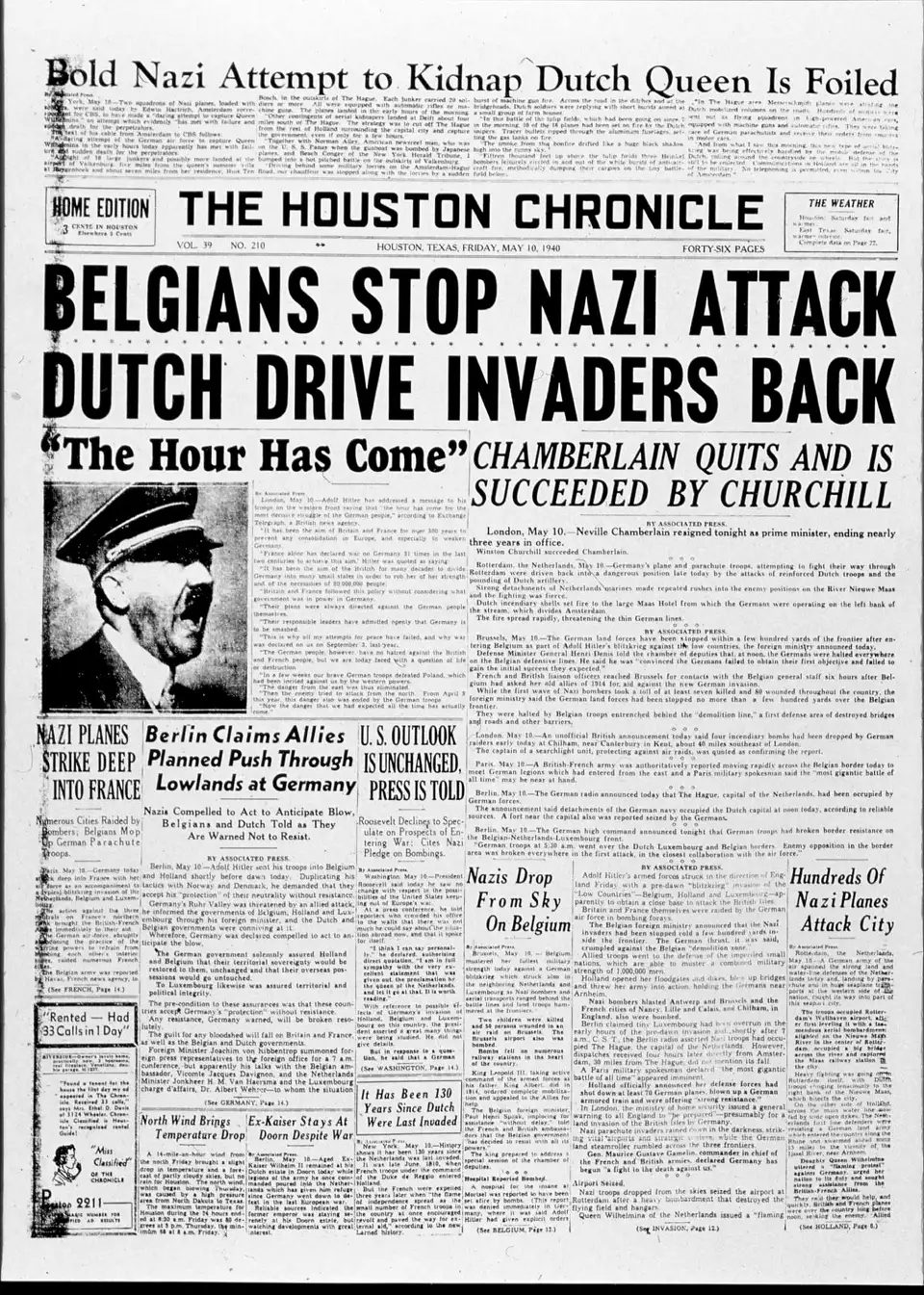
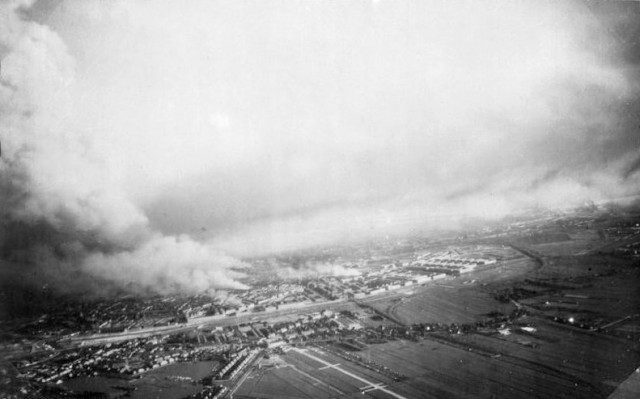
Before dawn on May 10, 1940, Germany invaded the Netherlands, Belgium and Luxembourg simultaneously, and struck at France. There was no declaration of war.
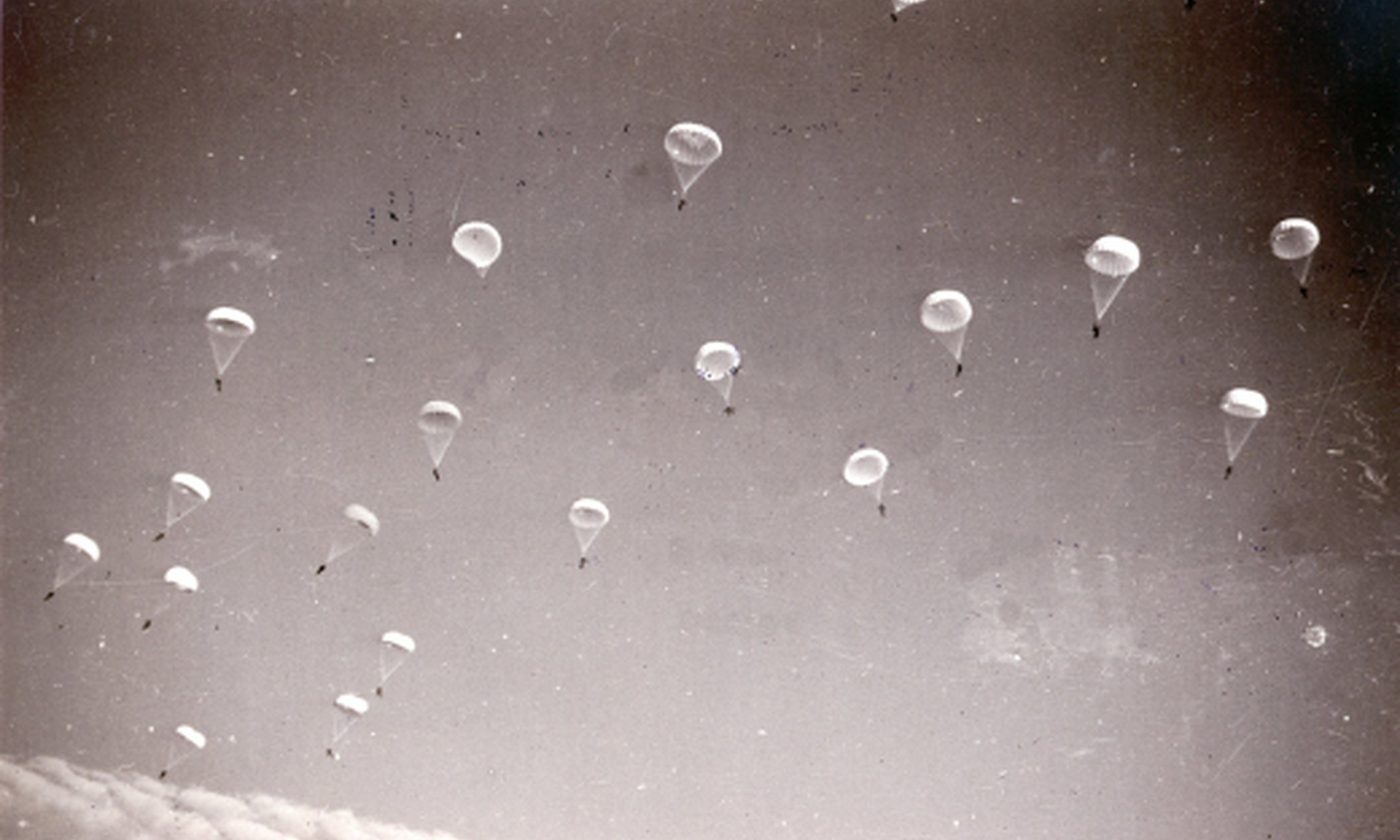
The Dutch had been neutral in the First World War and expected to stay neutral again. German paratroopers dropped behind their lines and seized the bridges. The Dutch army fought for five days; in Zeeland the fighting ran on until May 17.
On May 14 the Luftwaffe bombed the center of Rotterdam. Most of the historic city centre burned, around 850 people were killed and close to 80,000 were left homeless. The Germans threatened to do the same to Utrecht. The Netherlands surrendered the next day.
Queen Wilhelmina and the government escaped to London. The Jewish families who had fled Germany for Amsterdam did not have anywhere left to run to. Anne Frank was ten years old.
Not one decree but a long sequence of them, each small enough to absorb, until there was nothing left to absorb.
The occupation did not begin with deportation. It began with registration, then exclusion, then marking, then isolation. Each step made the next one easier.
Jews were removed from the civil service, then from the professions. Jewish businesses were registered, then taken. Signs went up outside restaurants, libraries, sports fields and markets. Voor Joden verboden. Forbidden for Jews.
In February 1941, after German raids in the Jewish quarter of Amsterdam, Dutch dockworkers and transport workers went on strike in protest. It is regarded as the only mass strike against the persecution of Jews anywhere in occupied Europe. The Germans crushed it in two days, firing on the strikers, and later executed several of the communists behind it.
From May 3, 1942 every Jew aged six and over had to wear a yellow star, bought with their own money and their own clothing coupons. Anne Frank was twelve.
By then she and Margot had already been expelled from their schools and sent to the Jewish Lyceum, and the family had begun quietly preparing a hiding place.
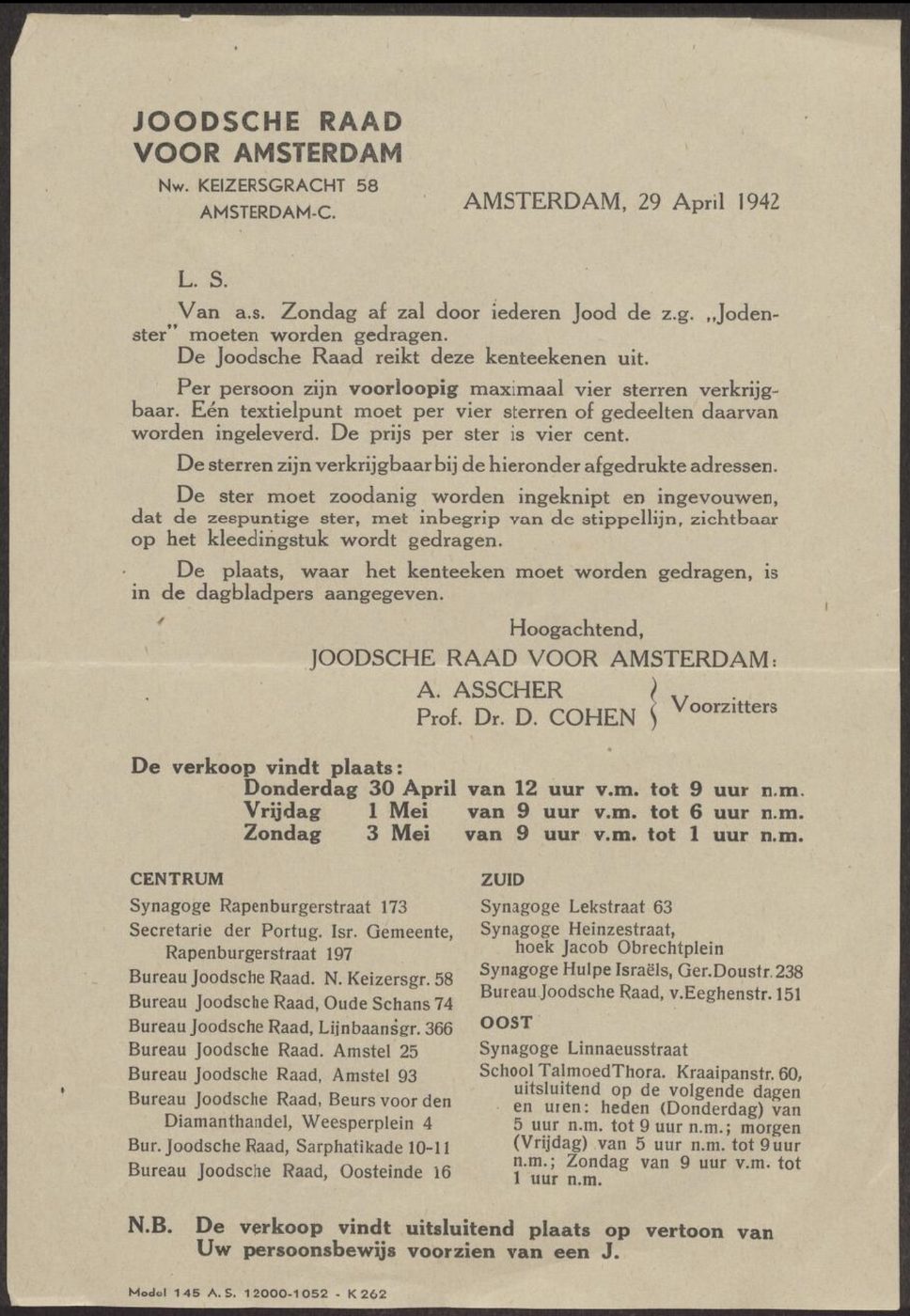
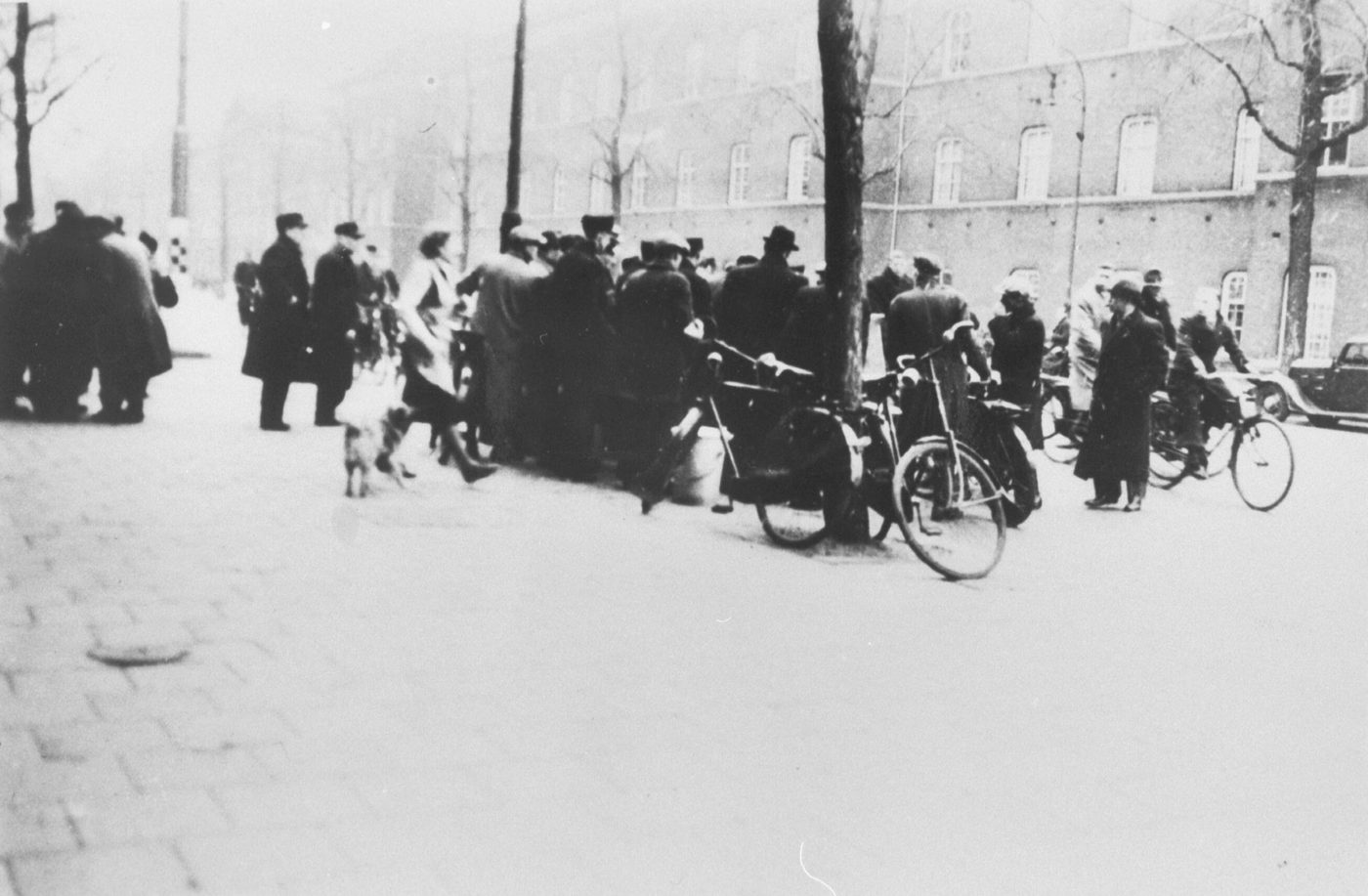
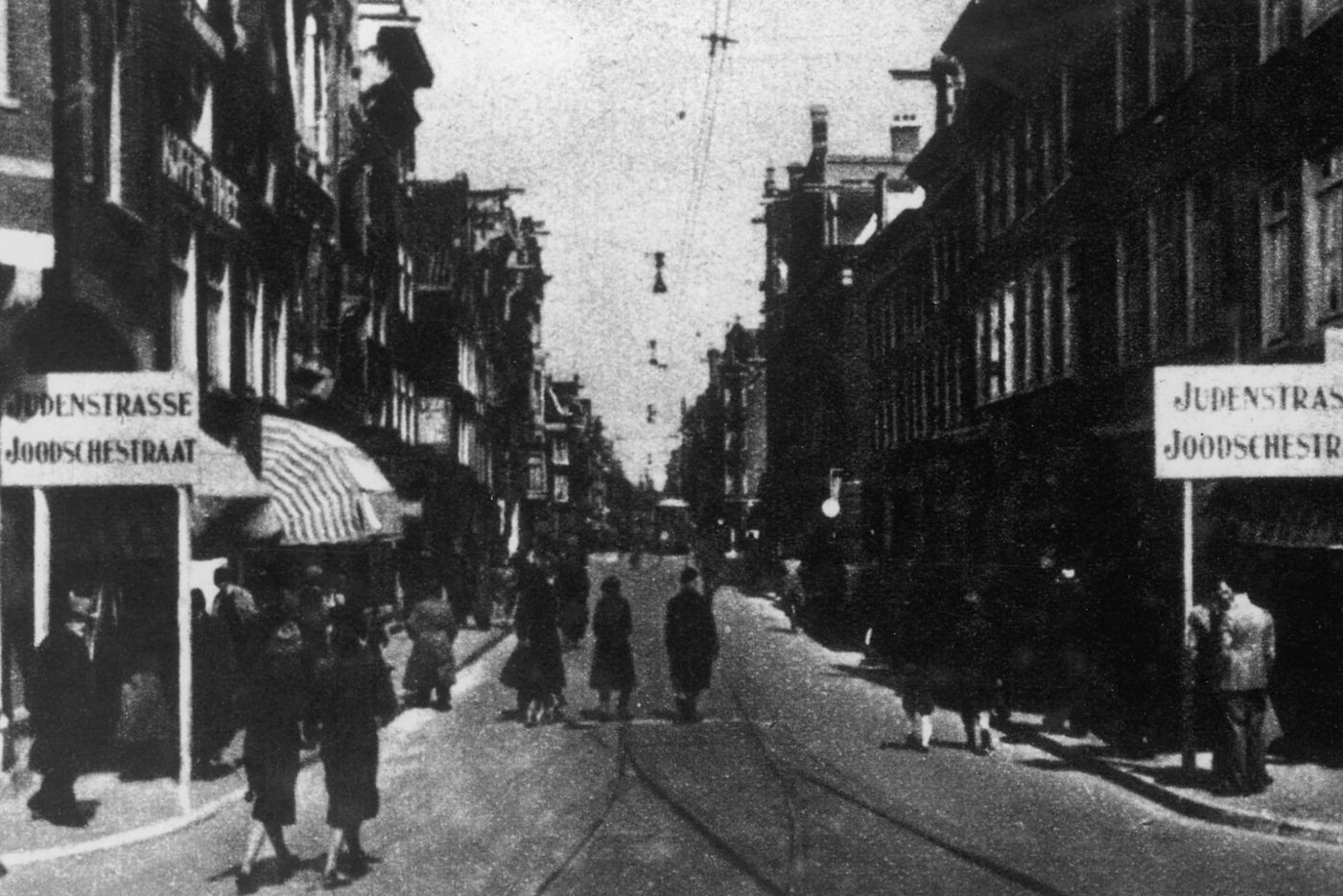
The distance between these entries is drawn to scale, so the silences are as visible as the decrees. Four of the eight fall inside 1941 alone, and nine weeks separate the yellow star from the morning the family disappears.
What people call "the diary" is in fact a set of manuscripts, written and then rewritten by a teenager who had decided she was going to be a writer.
Anne received an album with a red and white checked cloth cover for her thirteenth birthday, on June 12, 1942. She began writing in it immediately.
Less than a month later, the family went into hiding.
Over the next two years she filled that album and then continued in school exercise books. Then on March 28, 1944 the exiled Dutch education minister broadcast an appeal on Radio Oranje for people to keep their wartime diaries and letters. Anne heard it, and in May she began rewriting her own earlier entries, editing them, reworking them, shaping them for an audience. She had heard that wartime diaries might be collected and published after the liberation, and she intended hers to be among them.
So scholars distinguish between the original entries she wrote as she lived them, her own later reworking of that material, and the edited version published after the war. The diary is not a single innocent artifact. It is a young writer's project, interrupted.
Her father Otto, the only one of the eight people in hiding to survive, prepared the text that was first published in Dutch in 1947 as Het Achterhuis. It has since been translated into dozens of languages and read by tens of millions of people.
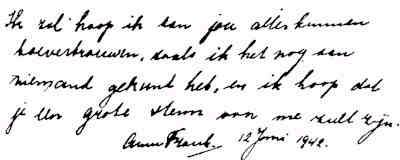
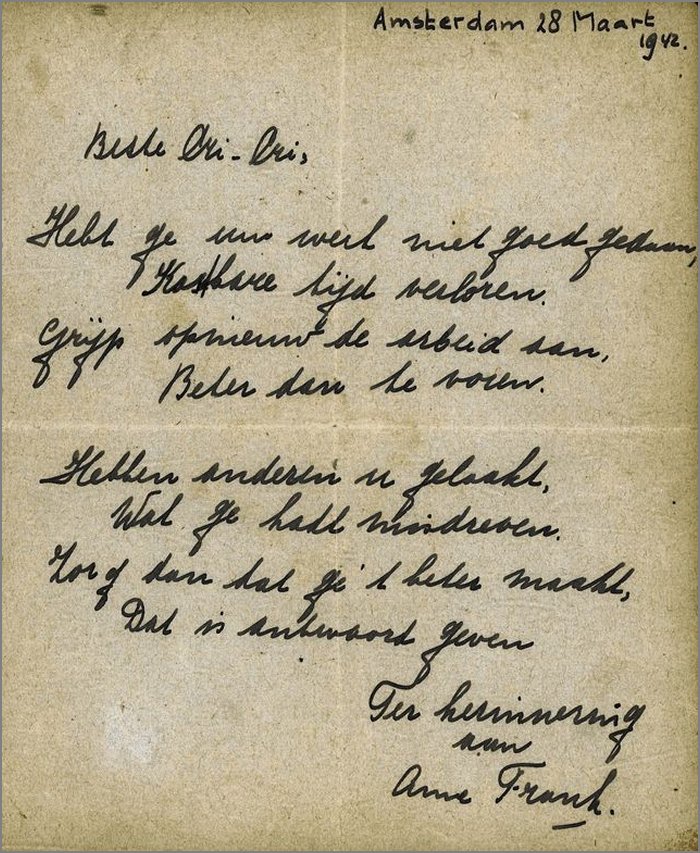
Yes, it was rewritten. She rewrote it — at fifteen, in hiding, after hearing on the radio that wartime diaries would be collected once the country was free. Here is what exists, and when.
March 28, 1944 — Radio Oranje asks the country to keep its diaries. She hears it, and begins version B in May.
August 4, 1944 — the raid. A and B both stop here.
The hiding place was not a bunker. It was the back rooms of a working canal-side business, with employees downstairs who could not be told.
On July 5, 1942 Margot Frank received a call-up notice. The family went into hiding the next morning, earlier than Otto Frank had planned, in rooms behind and above his own business premises on the Prinsengracht in Amsterdam.
They were joined by four more people, making eight in total. For roughly two years they lived without going outside, in silence during working hours, dependent entirely on a small group of Otto Frank's colleagues who broke the law every single day, at a cost this page can name: Johannes Kleiman and Victor Kugler were arrested in the raid and sent to camps.
Those helpers are the part of the story most often reduced to a footnote. They fed eight people partly on legal ration cards and partly on coupons bought illegally, carried news in, and for the first months slipped the rubbish out with the company's waste, and kept a secret that could have cost them their freedom or their lives. After the arrest, two of them, Miep Gies and Bep Voskuijl, gathered Anne's scattered papers off the floor. Miep kept them, unread, in her desk drawer and gave them to Otto Frank in July 1945, once it was clear that Anne was not coming back.
Without that decision there would be no diary. The most famous book of the Holocaust exists because a colleague picked paper up off a floor.
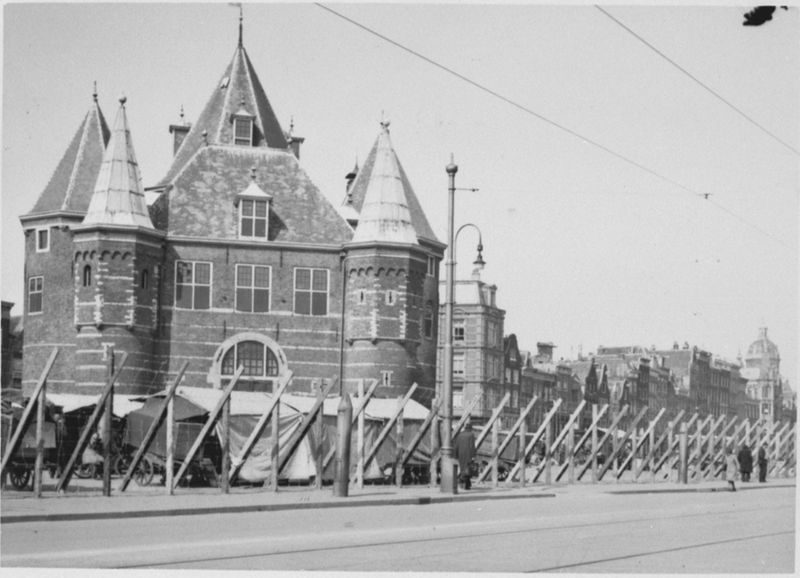
Eight people went in. One came back — her father, Otto. Four of his colleagues broke the law every day for twenty-five months to keep them alive; two of them, Johannes Kleiman and Victor Kugler, were arrested in the raid and sent to camps.
Anne Frank's arrest was not an isolated event. It was one arrest inside a transport system that had been running out of Amsterdam for two years.
Roughly 107,000 Jews were deported from the Netherlands. About 5,000 came back. Proportionally, no Jewish community in Western Europe lost more of its people.
The route ran through Westerbork, a camp in the north-east of the country that the Dutch government had originally built in 1939 to hold Jewish refugees fleeing Germany. The occupiers took it over and turned it into the assembly point for deportation.
Westerbork had a school, health services and a cultural life of its own. It also had a train timetable. Transports left, mostly on Tuesdays, for Auschwitz and Sobibor. The lists were drawn up in the camp. People spent each week hoping their name was not on one.
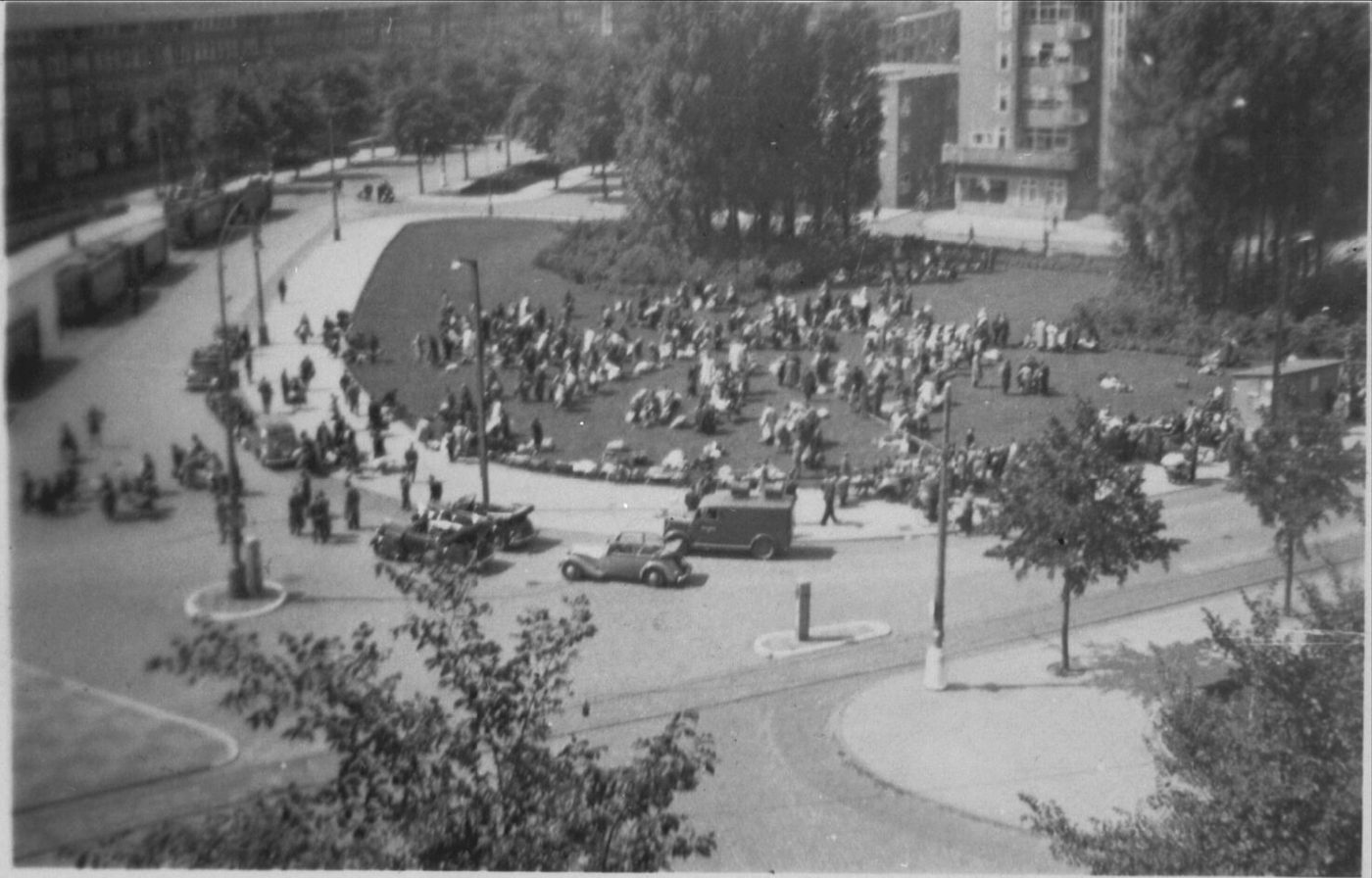
The Franks reached Westerbork in August 1944, after two years of hiding. Because they had been arrested in hiding they were classed as punishment cases and locked in the punishment barracks, a closed-off section of the camp, and punishment cases were generally put on the next transport.
They were put on the transport of September 3, 1944. It was the last transport ever to leave Westerbork for Auschwitz.
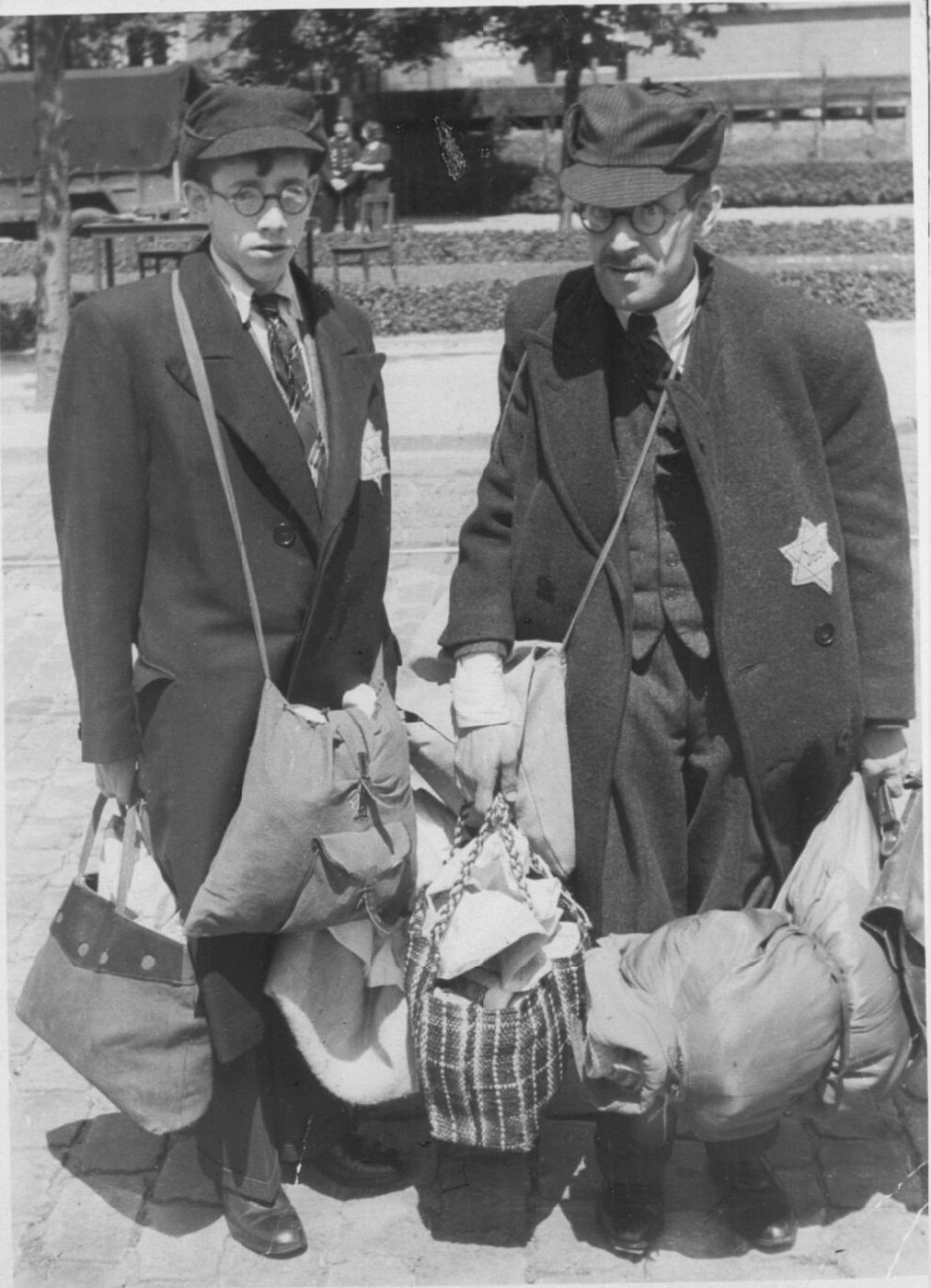
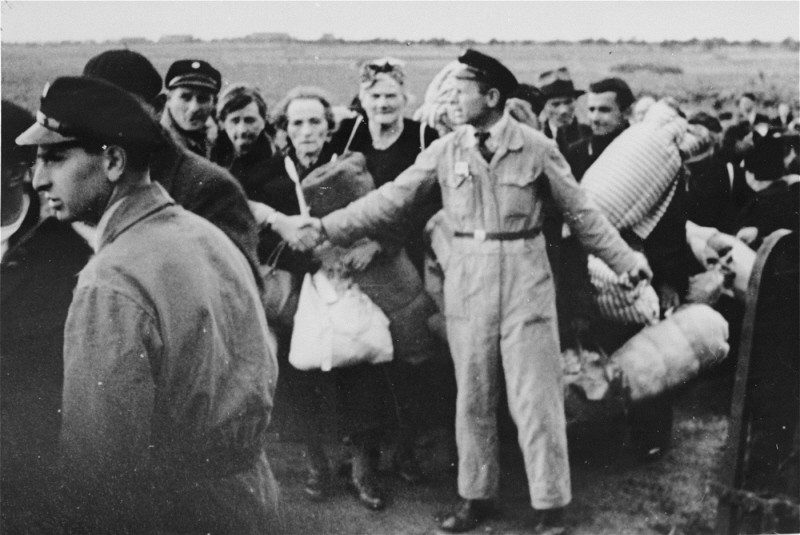
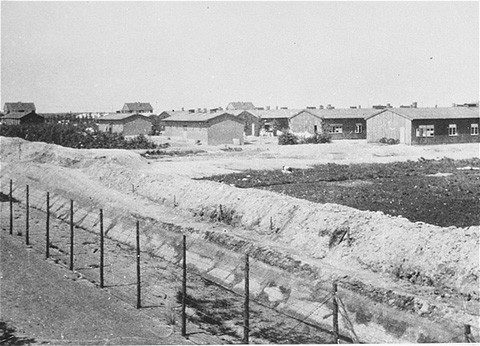
Two years of them. Each mark is one week in which a train could leave, and the lists were drawn up in the camp — so the week, not the year, was the unit people actually lived in.
Roughly 107,000 people were carried down this line. About 5,000 came back. Proportionally, no Jewish community in Western Europe lost more of its people.
Reading that eight people lived in a few rooms for twenty-five months is not the same as seeing how small the rooms were.
The annex was not a purpose-built shelter. It was the back half of a working canal-house at Prinsengracht 263, reached through a doorway that was later hidden behind a moveable bookcase.
Eight people. Rooms that had to stay silent through every working day because there were employees and customers on the other side of the wall. Windows blacked out. No going outside for twenty-five months.
Anne shared a room first with her sister and then with Fritz Pfeffer, the dentist who joined them, and pasted pictures cut from magazines onto the wall beside her bed. Those pictures are still on that wall today.
Her whole life, start to finish. She was born in one country, fled to a second, was hidden in a city, and died in a camp in the country she was born in.
Every band is drawn in proportion to how long it lasted.
That is the whole span. Two of those years are the diary. The reason her name is known at all is that two of her father's colleagues picked paper up off a floor and one of them kept it in a drawer without reading it.
This is the question the internet asks most often about her, and it deserves a straight answer rather than a euphemism. She was not killed in a gas chamber. She died of disease in a camp that had collapsed into epidemic, weeks before British troops arrived.
She was not shot, and she was not gassed. She died of typhus at Bergen-Belsen, in a camp that had collapsed into epidemic, within weeks of the British arriving.
That distinction is often quoted dishonestly, so state the rest of it plainly. Of the 1,019 people on the transport that carried her to Auschwitz, 371 were sent straight to the gas chambers on arrival. Her mother Edith died at Auschwitz, exhausted and ill. And typhus at Bergen-Belsen was not weather. It was the arithmetic of deliberate overcrowding, starvation rations and too little water. "Died of disease" only sounds exculpatory if you leave out who built the conditions.
Bergen-Belsen in the winter of 1944 to 1945 was not a killing center with gas chambers. It was something else: catastrophically overcrowded, without adequate water, food, sanitation or shelter, as the Germans emptied camps in the east and drove survivors westward. Typhus, carried by lice, moved through it unchecked.
Margot died first. Anne died shortly after her. Hanneli Goslar, her classmate from the Jewish Lyceum, had found her weeks earlier and spoken to her through a barrier of straw and barbed wire in the camp, and passed a small parcel of food across to her.
British troops entered Bergen-Belsen on April 15, 1945 and found some 60,000 people, most of them desperately ill, and thousands of unburied dead.
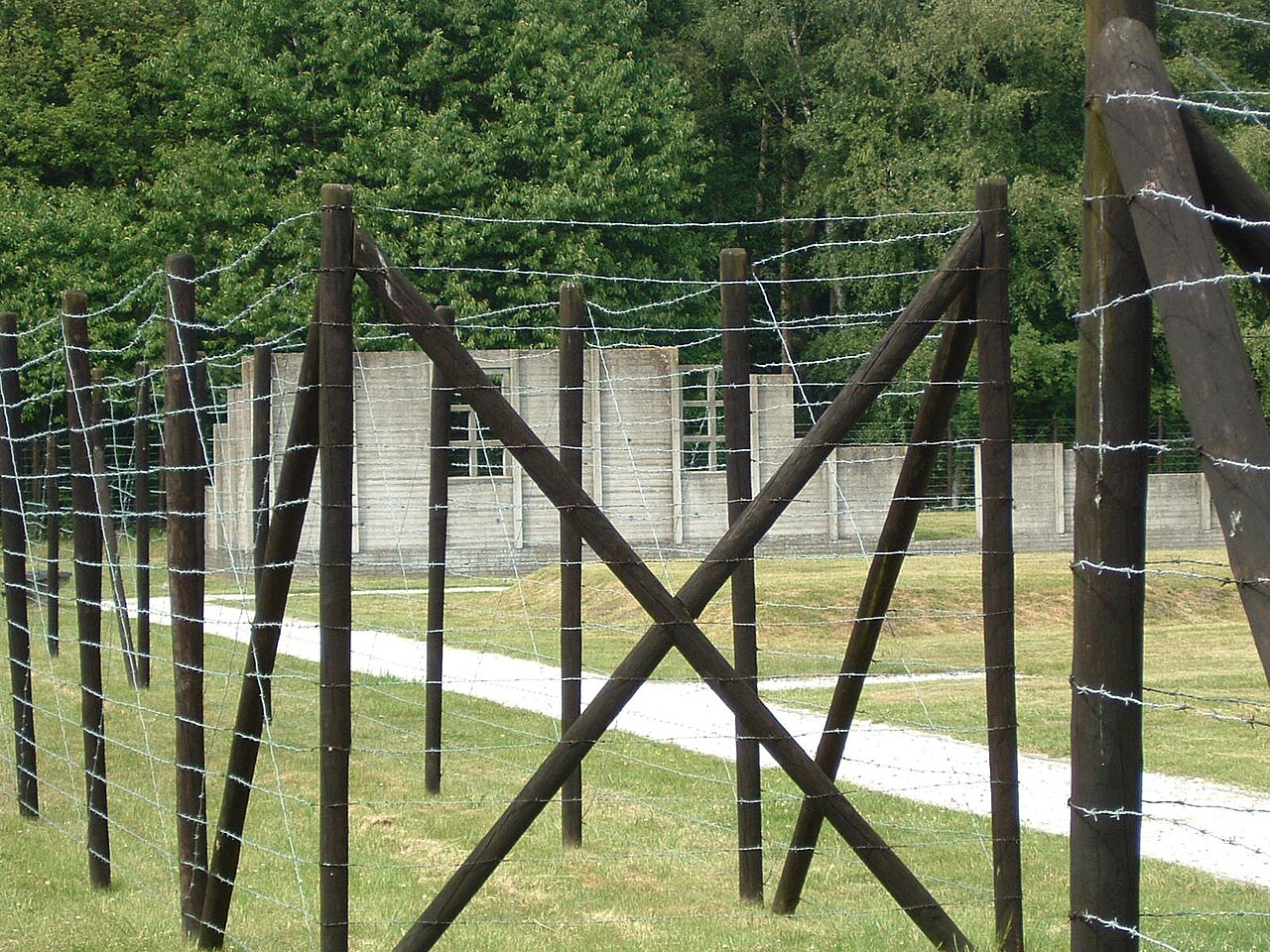
For decades reference works gave March 31, 1945. That date did not come from a record of death. The Red Cross took one survivor's recollection that Anne died "around March 1945", and the authorities then fixed it at the last day of that month.
In 2015 researchers at the Anne Frank House went back to the surviving documentation and to the testimony about conditions in the camp, and concluded both sisters almost certainly died earlier, in February 1945.
Anne was registered and tattooed on arrival at Birkenau. The number itself survives in no document that has been found, and she and Margot have no individual grave and no confirmed date of death. That is not absence from the record. It is a measurement of what the perpetrators destroyed: the SS got rid of many of the camp's files before the British arrived.
The last transport ever to leave Westerbork for Auschwitz. Anne Frank was on it, and was among those registered rather than killed that day.
People search this question in large numbers, usually because they have encountered someone claiming it is a forgery. Here is the answer, and the reason the answer is settled.
Not one examination but a chain of them, by bodies with no shared interest, each published.
Yes. It has been examined by a state forensic laboratory, tested in court repeatedly, and the manuscripts are public property held for the Dutch nation. Authenticity is not an open question among historians.
The manuscripts are not privately controlled. Otto Frank left his daughter's papers to the Dutch state. Stewardship passed to the national war documentation institute, and the originals have been on display at the Anne Frank House since 1986, on loan from the state. Anyone claiming a hidden original is describing something that does not exist.
The forensic examination was thorough and its conclusion was blunt. The Dutch judicial laboratory, now the Netherlands Forensic Institute, examined the manuscripts in the early 1980s at the state institute's request. The report runs more than 250 pages, most of it a detailed handwriting comparison alongside a forensic document analysis. Its conclusion was that both versions of the diary were written by Anne Frank between 1942 and 1944, and that allegations of authorship by anyone else were conclusively refuted. An independent German graphological examination in 1960 had already reached the same finding in a 131-page report. The Dutch laboratory found the paper and ink consistent with the war years. A 1980 report by the German federal police agency found the paper and ink all manufactured before 1950.
The famous "ballpoint pen" claim has a name attached to it. No ballpoint writing appears anywhere in Anne's text. Ballpoint turns up only on two loose note slips in another hand, left by a member of the German handwriting team that examined the diary in 1959 and 1960, and in some page numbers added after the war. The German federal police agency whose 1980 report had seeded the myth stated publicly in 2006 that its report gives no basis whatsoever for doubting the diary's authenticity.
When five unknown sheets surfaced in 1998 they were tested, not simply accepted. The Forensic Institute concluded the writing matched Anne Frank's with a probability bordering on certainty, the highest grade of identification it gives, and the sheets were first printed in the revised edition of 2001.
And the courts kept testing it. Lübeck 1961: after handwriting experts examined the manuscripts, the accuser retracted his claim and settled. Frankfurt, from 1976: Otto Frank and the Anne Frank House sue a far-right pamphleteer who called the diary a forgery, and win a ban. Amsterdam 1998: a revisionist mail-order firm is banned from distributing its forgery booklet in the Netherlands; upheld on appeal in 2000. London 2000: the High Court finds David Irving, who had called the diary a forgery, a Holocaust denier and antisemite. He had admitted in 1996 that he never read the whole diary.
The strongest argument, though, is the one people overlook: the scholarship publishes its own gaps. Her original diary for December 1942 to December 1943, almost the whole of 1943, was lost and has never been recovered. Anne herself cut passages when she rewrote. Otto Frank set sheets aside. All of it is documented, and since 1986 the different versions have been printed side by side so any reader can see precisely what each layer of editing did. A forgery does not publish its own seams.
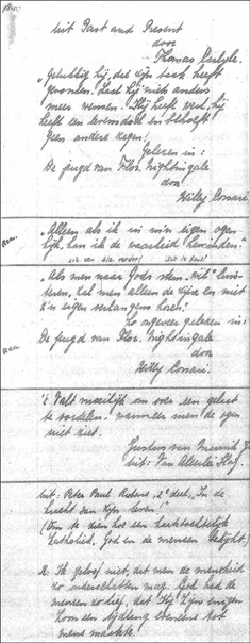
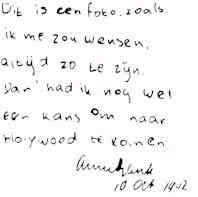
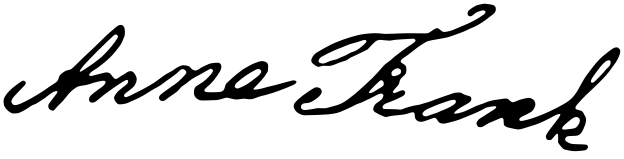
Handwriting is not a flourish here. It is the evidence. The bulk of that forensic report is a comparison of samples like these against the diary, letter by letter.
Anne Frank has become the way most people meet the Holocaust. That is a gift and a distortion at the same time.
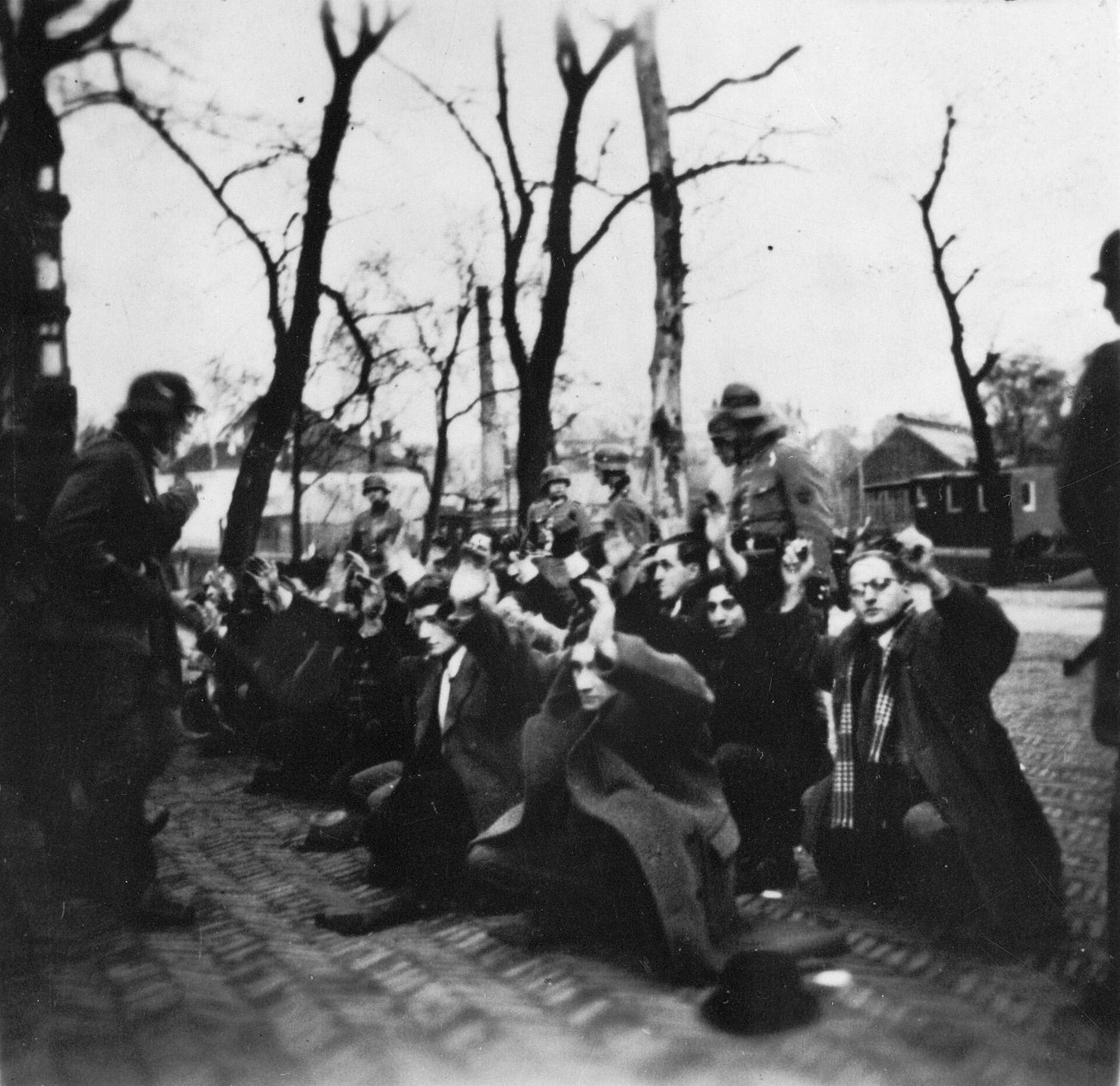
When most people think of Holocaust diaries, they think of one name: Anne Frank. And Anne Frank's diary is extraordinary. It's one of the most widely read books in the world. It has introduced millions of people to the Holocaust. But Anne Frank was one voice, one experience, one kind of Jewish life.Israel B. Bitton, Deputy Director, Project Witness · Holocaust Educators Conference, 2026
Start with her classroom, because it makes the point better than any argument can.
When Jewish children were barred from Dutch schools, Anne was placed in class 1L2 at the Jewish Lyceum in Amsterdam. The Anne Frank House has reconstructed that class and publishes it by name: thirty Jewish pupils, among them Hanneli Goslar, Jacqueline van Maarsen, Nanette Blitz, Ilse Wagner, Betty Bloemendal, Albert Gomes de Mesquita, Danka Zajde.
Seventeen of those thirty children were murdered. Eight at Auschwitz, eight at Sobibor, and Anne Frank at Bergen-Belsen. Thirteen survived.
One girl from that room is known to almost everyone on earth. Twenty-nine others sat at the same desks. That is the whole problem with a single lens, stated in the arithmetic of one classroom.
One girl from that room is known to almost everyone on earth. Twenty-nine others sat at the same desks.
Anne was a liberal Jewish, middle-class, German-born girl hiding in a Western European city. That was one Jewish life among millions, and it was not the most common one. Most Jewish children under Nazi rule were not in an Amsterdam annex. They were in ghettos in Poland and Lithuania, in villages in Hungary and Greece, in Orthodox homes and Yiddish-speaking ones, in places where there was no warehouse to hide in and no colleague willing to risk arrest and a camp.
Alexandra Zapruder, writing on the Anne Frank House's own site, answers the objection better than its critics do:
The problem is not whether Anne Frank was the "right" one to represent the victims of the Holocaust but that no single person ever could.Alexandra Zapruder, 'Holocaust diaries by Anne Frank and other young writers', Anne Frank House
There is also the matter of how her story is usually ended. Classrooms close on her line about still believing people are truly good at heart, and stop. Writing on the Anne Frank House's own site, Alexandra Zapruder notes that the sentence "was plucked out of context and skewed over time to present a message that suited the audience more than it reflected Anne's more nuanced thinking." In the same entry, written on July 15, 1944, less than three weeks before the raid, Anne writes of ideals "crushed by grim reality" and of "the approaching thunder that, one day, will destroy us too."
She wrote that line in July 1944. She died of typhus in a camp. Ending on the hopeful sentence while omitting the ending is not teaching Anne Frank. It is using her.
Project Witness produced We Dared to Write for exactly this reason: to widen the frame without diminishing her. Six young diarists. Six kinds of Jewish life. Six voices that wrote without knowing how the story ended.
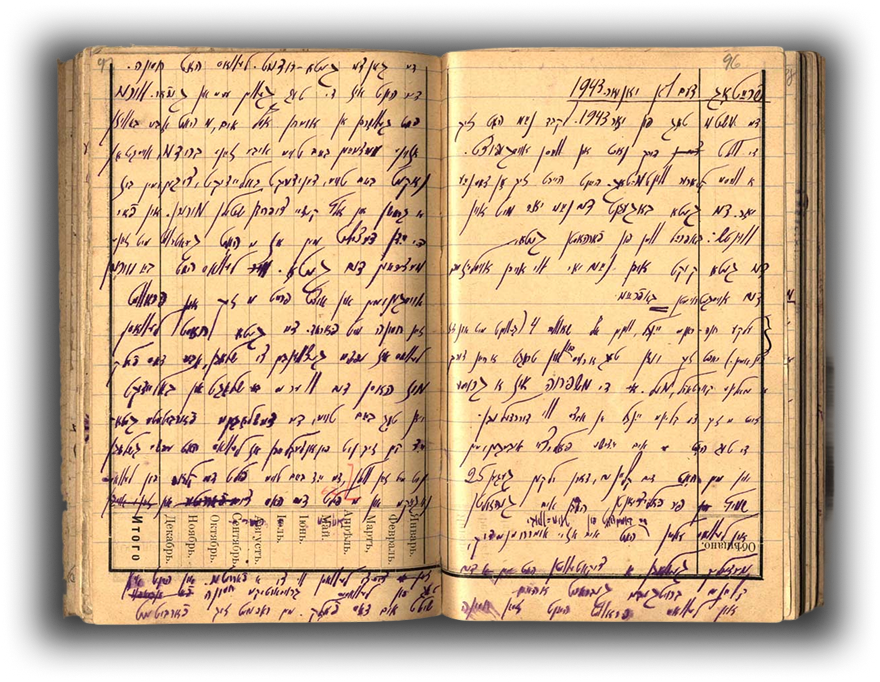
Wrote in Yiddish. Documented the ghetto's stubborn cultural life, its libraries, its literary circles, its refusal to stop being a civilisation.
Murdered at Ponar, 1943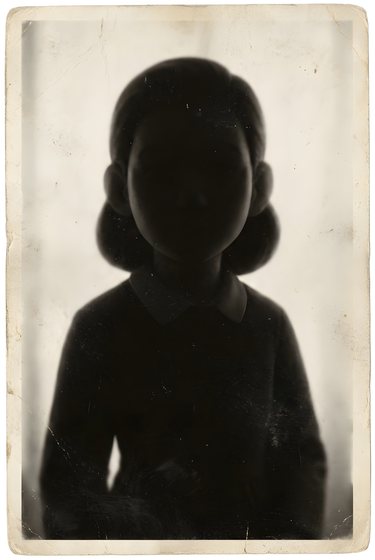 No photograph of Rywka is known to us.
Orphaned, working in a ghetto workshop, holding on to her faith through the loss of almost everyone. Her diary was found at Auschwitz by a Soviet doctor in 1945 and surfaced decades later.
Fate uncertain after liberation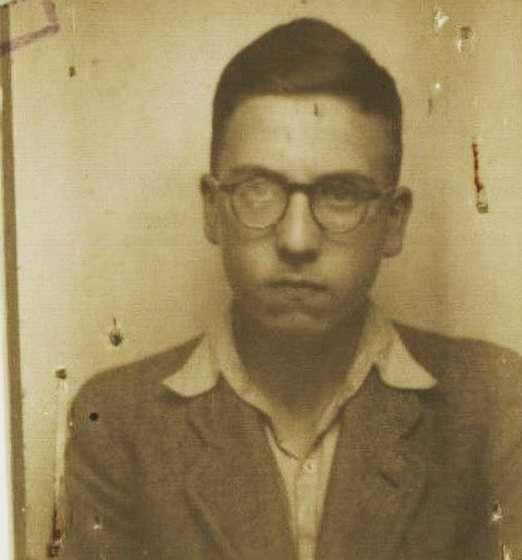
Orthodox, wrote in Hebrew, and argued with God on the page. Dreamed of becoming a Jewish statesman in Eretz Yisrael. Arrested with his family in Brussels in 1944 and deported to Auschwitz, he did not survive the war.
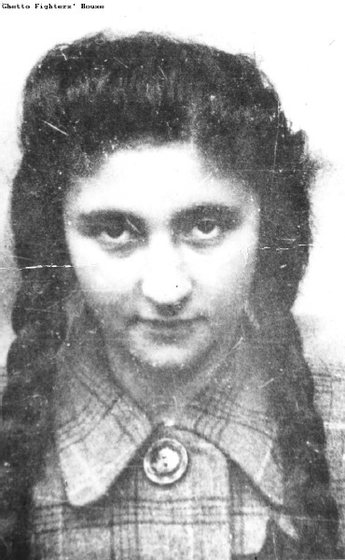
A young girl recording both the everyday terror and the small stubborn moments of normal life in a world turned upside down.
Did not survive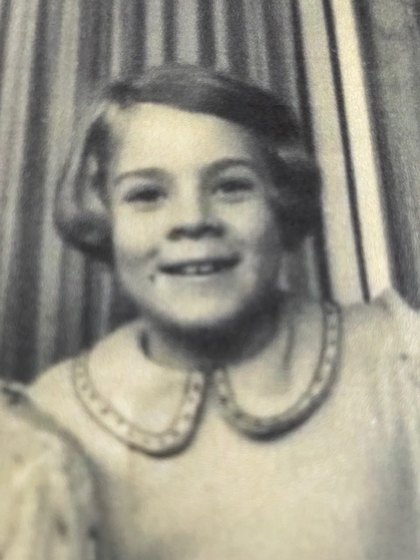
Hidden among non-Jews in the Dutch countryside, writing in a pocket calendar so she would have something to tell her parents afterwards. Born the same year as Anne Frank.
Survived, and testified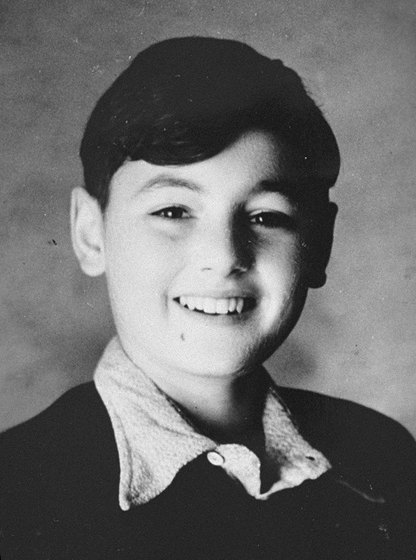
From a secular, fully assimilated Berlin family. His first encounter with what he was came from a teacher holding up an antisemitic picture book in front of his class.
Survived, and testifiedA feature documentary on six teenage diarists, and two of the animated shorts it grew out of.
The film brings the six diarists forward in their own words, animated rather than dramatized, with historians and two surviving diarists speaking on camera. Among the interviewees is Alexandra Zapruder, who edited Salvaged Pages, the standard collection of young writers' Holocaust diaries.
Born in The Hague in 1929, the same year as Anne Frank. Hidden at thirteen, never caught, and still able to tell it herself.
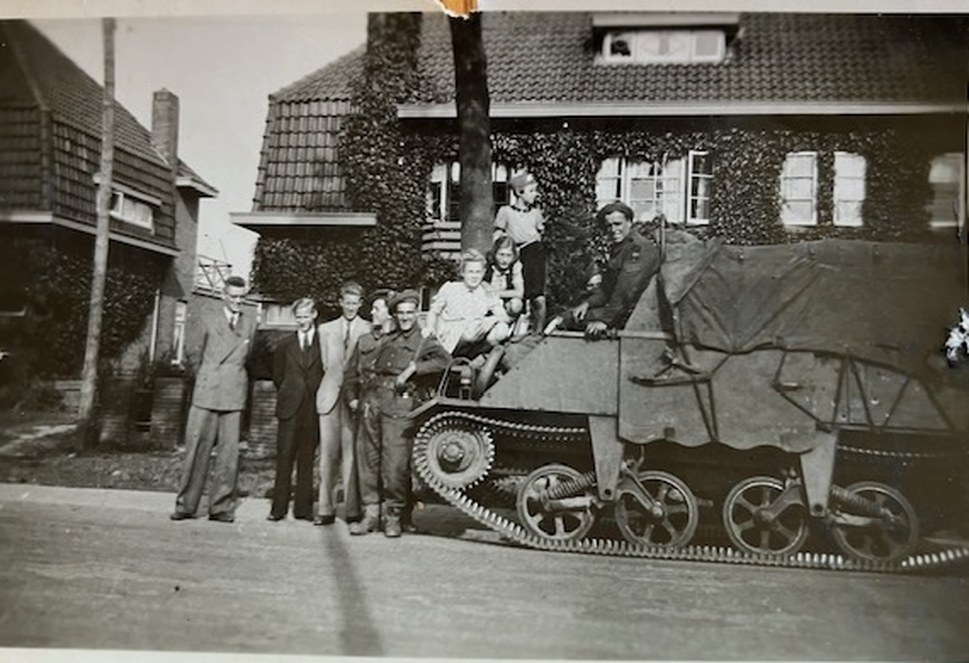
"I had a little pocket calendar, and I thought to myself, you know, not too much is happening, but I should write it down so I can tell my parents later."
She met Gisela Söhnlein in the summer of 1941, at the one youth camp still open to Jewish children. Gisela was the camp leader. Two years later she was the woman who came to the fourth-floor flat in the Amsterdam ghetto where a thirteen-year-old was waiting alone, walked her to the railway station, and took her to a village called Acht near Eindhoven. Acht is the Dutch word for eight. The house number was 888.
She stayed hidden there from May 1943 until September 1944, living with the knowledge that the woman next door had already been caught hiding someone. One night a police car stopped outside and she was certain it was over. It was somebody's brother.
Her parents were taken, held first in the jail at Scheveningen, and then, in her words,
put four days in an animal car without water, without toilets, until they hit
Westerbork
. Anne Frank passed through the same transit camp. What happened next
Anita describes simply: there was a railroad strike, so they never left Westerbork until
after the liberation.
Whatever the full explanation, the transports out of Westerbork
stopped, and her parents were still there when the war ended.
We were the only family that started being four before the war and after the war. It was just luck of the draw.Anita Budding Meyer, in We Dared to Write, Project Witness
She was liberated in September 1944 when the south of Holland fell to the Allies. Her sister found her; it took until December before they were together again. Anne Frank's diary ends because she was arrested. Anita's testimony continues because a train did not leave. Both facts belong in the same lesson.
Project Witness is a nonprofit Holocaust education organization in New York. Tell us what you teach and we will send you what fits your classroom.
We use this to send classroom materials. Nothing else, and we do not pass it on.
Thank you. We have your email and will send classroom materials that fit what you teach. Questions? Write to [email protected].
Institutional sources and Project Witness recorded material.
Written and edited by Israel B. Bitton, Deputy Director, Project Witness. Published July 31, 2026. Last reviewed July 31, 2026. Found an error? Tell us and we will check it against the sources and correct it.