Before we begin
Two things to hold before viewing. The rescue is documented. Gisi Fleischmann led the Bratislava Working Group, and Weissmandl was its chief strategist. Beginning in 1942 the group bribed an SS officer with tens of thousands of dollars and forged letters from a Swiss official who did not exist. Abraham Fuchs’s account records that invented name as “Ferdinand Roth.” For nearly two years, the deportation trains from Slovakia stopped. The cause is contested. Historians agree the trains stopped, but they disagree over whether the bribery is what stopped them. This lesson asks you to hold both facts at the same time. The outcome is documented. The cause is disputed.
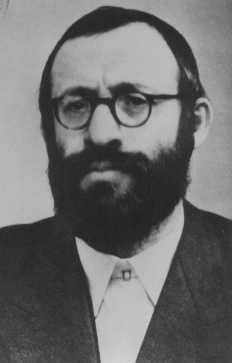
Rabbi Michoel Ber Weissmandl (1903–1957), chief strategist of the Bratislava Working Group. Source: USHMM / YIVO.
Vocabulary
- Bratislava Working Group
- A secret Jewish–Christian rescue network in wartime Slovakia (Slovak: Pracovná skupina). Gisi Fleischmann led it; Weissmandl was its chief strategist.
- Deportation
- The forced removal of people from their homes, loaded onto trains bound for Nazi concentration and death camps.
- Transit Camp
- A holding camp where prisoners were gathered before being shipped onward to a death camp. Seréd’, in western Slovakia, is where Weissmandl was held after his arrest.
- Slovak Ransom (local bribery)
- The Working Group’s local effort in 1942–43: it bribed the SS adviser in Bratislava and forged official-looking letters. This coincided with a pause in deportations. The trains from Slovakia stopped for nearly two years. That the trains stopped is documented; whether the bribe is why is disputed.
- Europa Plan
- A separate, larger 1943 proposal to ransom the Jews of all Nazi-occupied Europe for a very large sum. Unlike the local Slovak bribery, the Europa Plan mostly failed. The negotiations collapsed and the broad rescue never came.
- Forgery
- The making of false documents to deceive. The group forged letters in the name of a Swiss official who did not exist, so that its scheme would look official. Abraham Fuchs’s account preserves that invented name as “Ferdinand Roth.”
- Rescuer (“upstander”)
- Someone who uses their own position or safety to protect a person in danger. Julius Natali, a Slovak Christian, hid Weissmandl until liberation. A note on the word: scholars caution that the “bystander vs. upstander” binary can flatten hard choices made under terror; many prefer rescuer or, for those honored by Yad Vashem, Righteous Among the Nations.
Anticipation
Before you watch
For almost two years, the Bratislava Working Group prevented Nazi deportation trains from leaving Slovakia. The group bribed an SS officer and forged letters from an official who did not exist. Here is the part historians argue about: we know the trains stopped, but we do not know for certain that the bribe is why. What does it mean to give credit for an outcome when the cause is disputed? Write two or three sentences with your prediction before you watch.
Heads-up before pressing play
The film is 90 seconds. It concerns the Holocaust and the murder of Weissmandl’s wife and five children, and the moral dilemma of negotiating with the SS. It does not depict violence on screen. The family is shown only through silhouette and absence, and Birkenau appears only as architecture: empty rails, a closing door, a distant gate, smoke.
View the Microshort · 90 seconds
Watch in full without writing. Ideally twice: once for feeling, once for detail. The notes come after.
Watch: projectwitness.org/videos/microshort-ep6-weissmandl

Scan with any phone camera, or paste the link into a browser.
Analyze
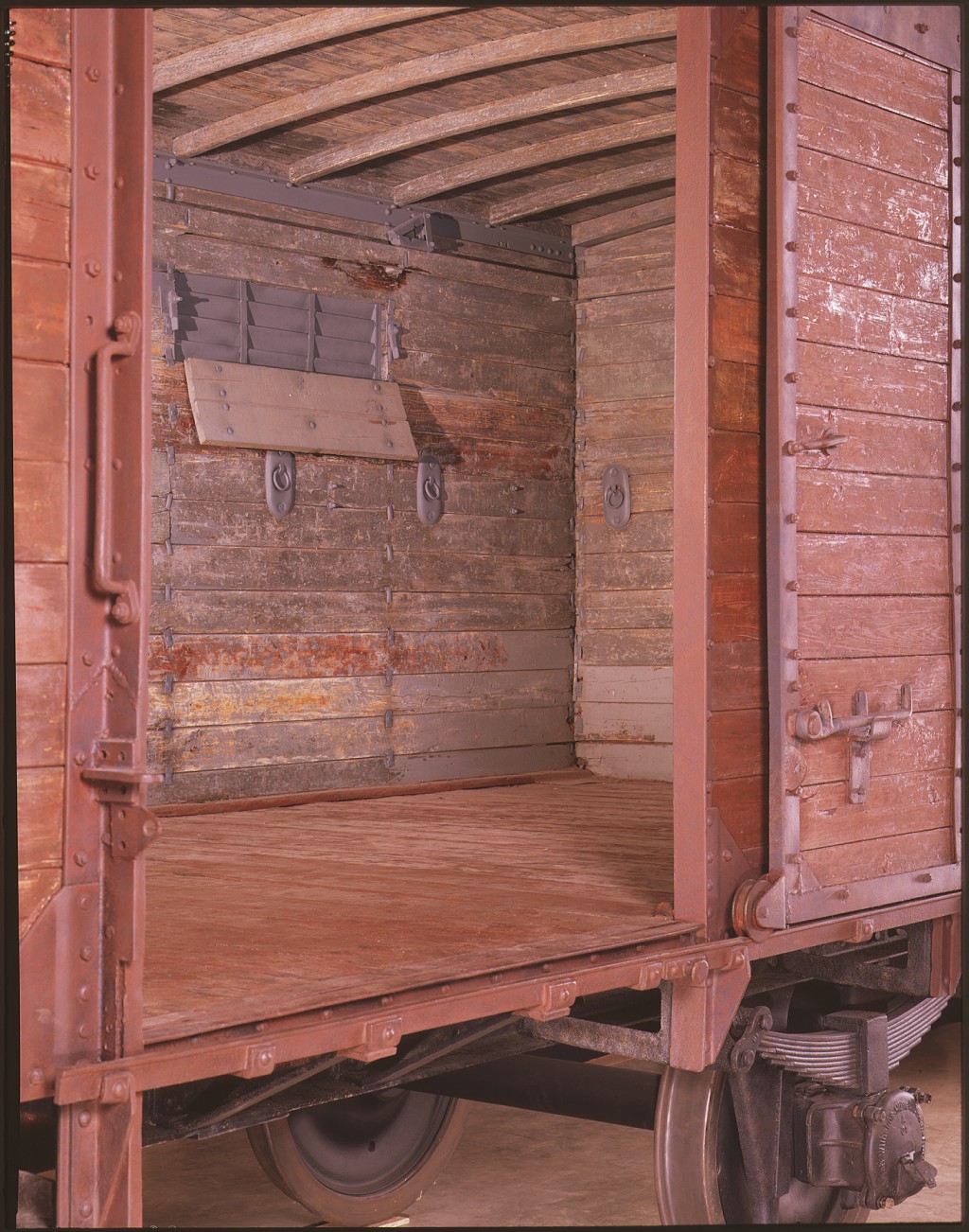
The interior of a cattle car, light through the slats. In the dark of a sealed car like this, Weissmandl sawed through the lock with a wire he had hidden in a loaf of bread. Archival reference.
Text-Dependent Analysis & Historical Sourcing
- The final narration describes bribery and forged letters as “putting a stop to deportations from Slovakia for two years.” What cause does this wording assert? Distinguish that film claim from the documented pause and the historical dispute over its cause. What additional evidence would help evaluate the claim?
- The Working Group used bribery, forgery, and delay rather than weapons. How does the film present resistance as intellect and nerve? Point to one image. You might choose the envelope of cash sliding toward an SS sleeve, the forged “Ferdinand Roth” letter, or the wire hidden in a loaf of bread.
- The final narration says: “He begged his wife and children to jump with him. Then he jumped. But no one else jumped.” What does this sequence establish, and what does it leave unstated? Explain why an interpretation about intention must be distinguished from the narrator’s actual words.
- Gisi Fleischmann led the Working Group; Weissmandl was its chief strategist. How does the film share the credit between them, and why does that matter?
- SS-Hauptsturmführer Dieter Wisliceny was responsible for tens of thousands of deportations. The film shows him only as a sleeve or a gloved hand. Never a face, never a partner. Why do you think the filmmakers made that choice?
- The film does not tell us how many people hid in the Bratislava bunker with Weissmandl, because the sources disagree. Why might careful filmmakers leave a disputed number out entirely?
Create
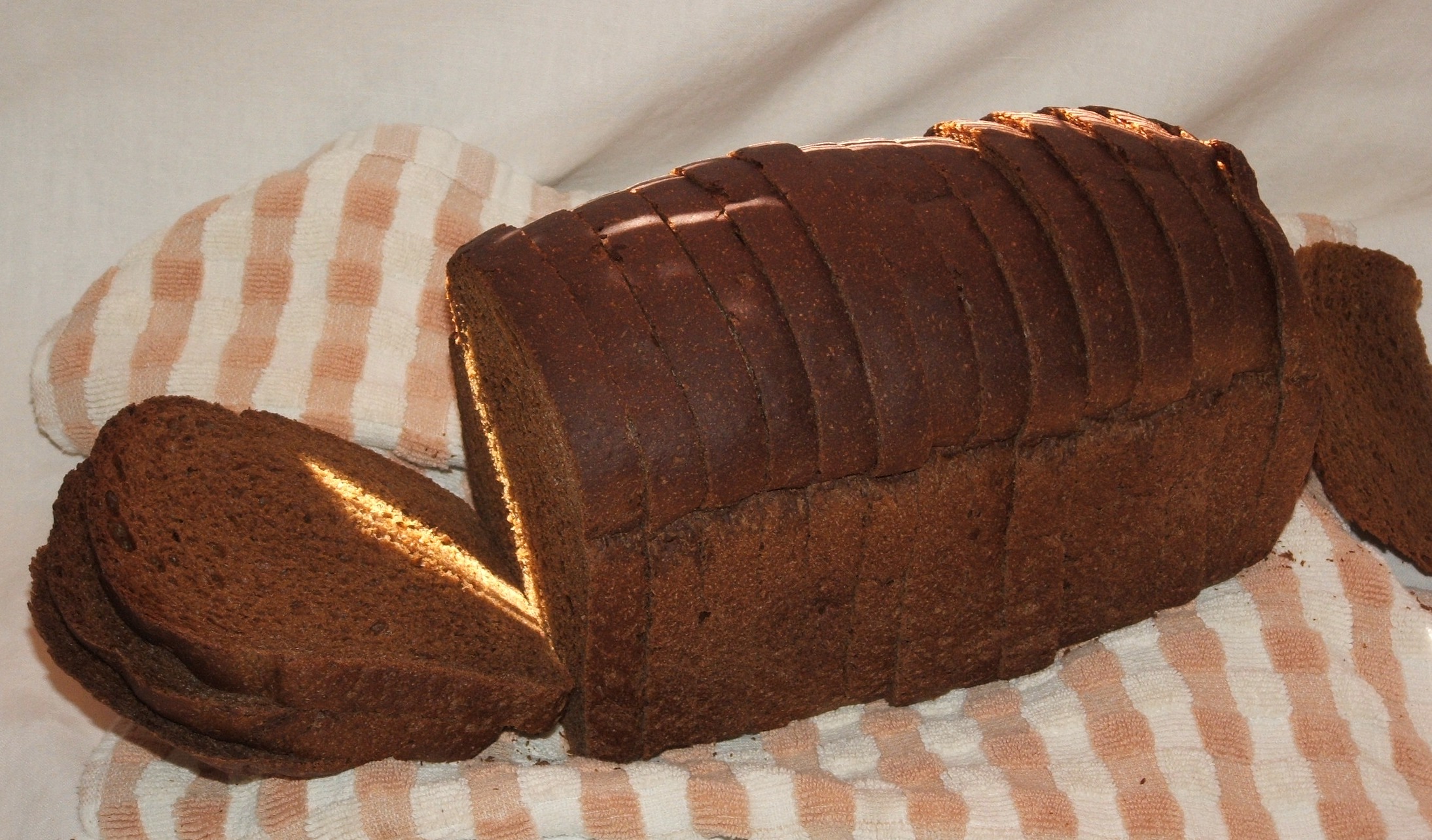
A loaf of Slovak country bread. Weissmandl hid an emery wire-saw inside a stale loaf, then used it to cut through the cattle-car lock. Archival reference.
Argumentative Paragraph · MEAL Format
The Working Group bribed SS-Hauptsturmführer Dieter Wisliceny to try to buy time. Wisliceny was directly responsible for tens of thousands of deportations. Write one well-developed argumentative paragraph (150–200 words) using the MEAL structure (Main claim, Evidence, Analysis, Link) that answers the following:
Prompt
Was it right to negotiate with, and pay, a mass murderer if doing so might save lives? Make a claim and support it with evidence from the film and historical context. Hold the discipline: the deportation trains stopped, but historians dispute whether the bribe is why.
Underline your main claim sentence. Circle your evidence.
MEAL Graphic Organizer · plan your paragraph
Draft a phrase in each cell before you write the full paragraph.
How your work will be looked at
| Criteria | Evidence of meeting the standard | Area to grow |
|---|---|---|
| Main claim | One clear, arguable claim that answers the prompt about whether it was right to bribe the SS. A summary does not count. | |
| Evidence (specific) | Uses specific evidence from the film and the record, such as the forged “Ferdinand Roth” letter, the bribe, or the documented two-year pause. | |
| Analysis | Explains how the evidence supports the claim, rather than leaving it to speak for itself. | |
| MEAL structure | Moves Main → Evidence → Analysis → Link; the closing sentence ties back to the claim. | |
| Historical accuracy | Holds the discipline: states the documented outcome without asserting the contested cause; names/spellings correct. |
This is a single-point rubric: the middle column is the target. Use the last column to note one concrete thing to strengthen. That note can come from your teacher, a partner, or yourself.
Reflect
Quick check before you reflect
Cover the meanings and see if you can match each term from memory. Then check yourself:
- Documented outcome · the deportation trains stopped for about two years
- Contested cause · whether the bribery is why they stopped
- Gisi Fleischmann · led the Working Group
- Chief strategist · Weissmandl’s role in the group
Order the geography. Put these in the order they appear in Weissmandl’s story: Auschwitz · Nitra · Seréd’ · Bratislava · Mount Kisco (New York). (Check: Nitra → Bratislava → Seréd’ → Auschwitz; then escape and rebuilding → Mount Kisco.)
Sentence Frame Reflection
Complete the following sentence frame. You may write as many sentences as you need. The frame is a starting point, not a limit. Be specific.
Share your reflection with a partner. Where do your reflections overlap? Where do they diverge?
“He could not save them. The yeshiva still teaches.”Project Witness, The Weissmandl Rescues (end card). The Nitra Yeshiva in Mount Kisco, New York, founded 1949, operates today.