Before we begin
Beginning in 1942, the Bratislava Working Group tried to halt the deportation of Slovak Jews. Gisi Fleischmann led it, and Rabbi Weissmandl was its chief strategist. Its methods were negotiation and deception: it bribed SS-Hauptsturmführer Dieter Wisliceny with tens of thousands of dollars and forged letters from a fictitious Swiss official. Abraham Fuchs’s account preserves that invented name as “Ferdinand Roth.” For nearly two years, the deportation trains from Slovakia stopped.
“He begged his wife and children to jump with him. Then he jumped. But no one else jumped.”The narration of The Weissmandl Rescues, on the sealed cattle car, October 1944
Hold two disciplines as you watch. First, causation is contested: historians document that the trains stopped, but dispute whether the bribery stopped them. Second, credit is shared. Fleischmann led the group and Weissmandl strategized for it. She is not a footnote. The film is asking you to sit inside a rescue that saved thousands and a loss it could not prevent.
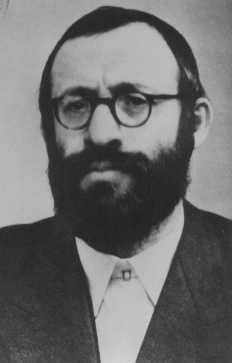
Rabbi Michoel Ber Weissmandl (1903–1957), chief strategist of the Bratislava Working Group. Source: USHMM / YIVO.
Vocabulary
- Bratislava Working Group
- A clandestine Jewish–Christian rescue network in wartime Slovakia (Pracovná skupina). Gisi Fleischmann led it; Weissmandl was its chief strategist.
- Slovak Ransom (local bribery)
- The Working Group’s local 1942–43 effort inside Slovakia: it bribed SS-Hauptsturmführer Dieter Wisliceny and forged official-looking letters. This coincided with the nearly two-year pause in deportations. The pause is a documented outcome, and historians still dispute what caused it.
- Europa Plan
- The separate, larger 1943 proposal to ransom the remaining Jews of all Nazi-occupied Europe by paying the SS a very large sum (figures of two to three million dollars are cited). Unlike the local Slovak bribery, the Europa Plan mostly failed: the negotiations collapsed and the sweeping rescue never came.
- Forgery
- The making of false documents to deceive. The group forged letters in the name of a Swiss official who did not exist, so that its ransom scheme would appear backed by powerful international organizations. In Abraham Fuchs’s account the invented name is “Ferdinand Roth.”
- Auschwitz Protocols
- A detailed 1944 report of the mass murder at Auschwitz, assembled from escapees’ testimony. Weissmandl helped circulate it and cabled the free world begging for action, including an appeal to bomb the rail lines to Auschwitz. (This is background for you. It is not depicted in the film.)
- Contested Causation
- When historians agree on what happened but dispute why. The trains stopped (documented outcome), but scholars disagree over whether the bribery caused it (contested cause).
- Historiography
- The study of how history is written. It asks whose accounts survive, who gets credited, and why interpretations of the same evidence differ (as in the “Bauer dispute” over crediting the Working Group’s strategists).
Anticipation
Before you watch
The Working Group bribed an SS officer responsible for tens of thousands of deportations, while Weissmandl cabled the free world with reports of the murder at Auschwitz, begging that the rail lines be bombed. Nobody answered. Two questions to bring to the film: Was it right to bargain with a mass murderer to buy time? And what do we owe a story in which the same man saved thousands of strangers yet could not save his own wife and five children? Come prepared to defend an interpretation.
Heads-up before pressing play
The film is 90 seconds. It concerns the Holocaust and the murder of Weissmandl’s wife and five children, and the moral dilemma of negotiating with the SS. It does not depict violence on screen. The family is shown only through silhouette and absence, and Birkenau appears only as architecture: empty rails, a closing door, a distant gate, smoke.
View the Microshort · 90 seconds
Watch in full without writing. Ideally watch it twice: once for feeling, once for detail. The notes come after.
Watch: projectwitness.org/videos/microshort-ep6-weissmandl

Scan with any phone camera, or paste the link into a browser.
Analyze
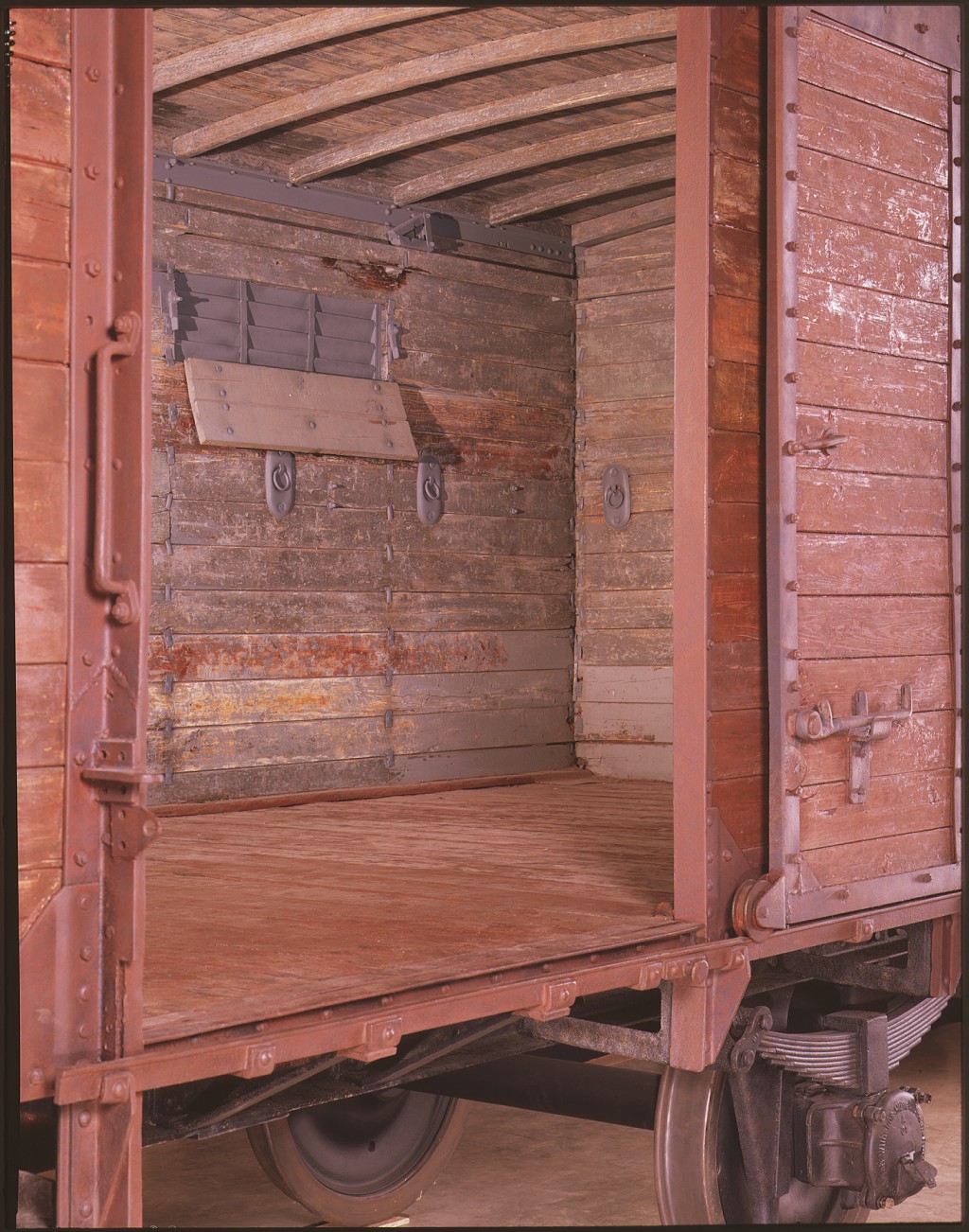
The interior of a cattle car, light through the slats. In the dark of a sealed car like this, Weissmandl sawed through the lock with a wire he had hidden in a loaf of bread. Archival reference.
Rhetorical & Historiographic Analysis
- The final narration attributes the pause in deportations to bribery and forged letters. The teaching materials also identify a historical dispute over that causality. Analyze the difference between a film’s assertion and a conclusion established by independent evidence. What does the confident causal wording emphasize? How could a historical account acknowledge the dispute without erasing the rescue effort?
- The film places rescue efforts beside a loss Weissmandl could not prevent. Analyze its actual final wording: “He begged his wife and children to jump with him. Then he jumped. But no one else jumped.” What effect does the abrupt sequence have? Distinguish what the narration explicitly says from an inference about why he jumped first.
- Weissmandl bribed a mass murderer to buy time while cabling the free world to bomb the rail lines. Compare the two acts. One negotiated with the perpetrator. The other appealed to bystanders who did not answer. What does the comparison reveal about the range of rescue available in 1944?
- Historians have disputed how much strategic credit belongs to an Orthodox Slovak rabbi versus other members of the group (the “Bauer dispute”). What is at stake in deciding who is remembered as the mind behind a rescue, and how do the surviving sources shape the answer?
- “He could not save them. He did not abandon them.” Evaluate this as a historical claim, not only a moral one. What specific evidence supports the distinction between could not save and abandoned?
Create
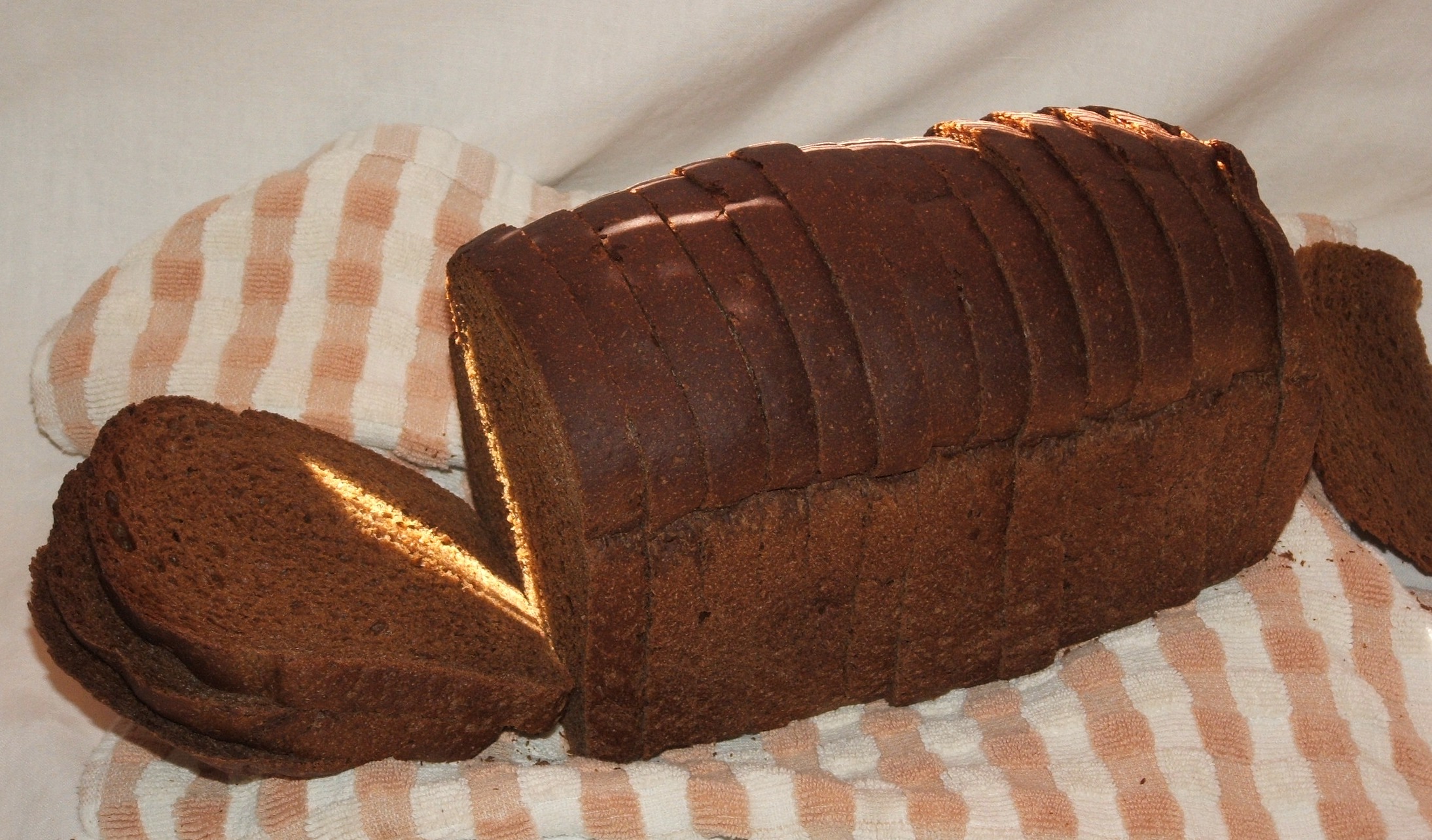
A loaf of Slovak country bread. Weissmandl hid an emery wire-saw inside a stale loaf, then used it to cut through the cattle-car lock. Archival reference.
Analytical Essay · Rescue at Scale and the Intimate Failure
One lesson interpretation is that Weissmandl could not save his family and did not abandon them. Evaluate this interpretation using the final narrated sequence: “He begged his wife and children to jump with him. Then he jumped. But no one else jumped.” Distinguish the recorded events from an inference about intention.
Prompt
Analyze the relationship between rescue at scale and the intimate failure. You may instead analyze the ethics of “morally compromised collaboration,” bribing the SS to buy time. When is a compromised act still a rescue? What does it mean to keep going after a loss you could not prevent? What does this history teach about the limits and the reach of one person’s resistance?
Make a clear argumentative claim and use specific evidence: the saws distributed at Seréd’, the wire hidden in the loaf, the forged “Ferdinand Roth” letters, the documented two-year pause, and the murders at Birkenau. Preserve the discipline of documented outcome versus contested cause.
How your work will be looked at
| Criteria | Evidence of meeting the standard | Area to grow |
|---|---|---|
| Thesis / argument | A precise, defensible thesis on rescue-and-loss or morally-compromised collaboration. It does not restate the prompt. | |
| Evidence | Marshals specific, well-chosen evidence from the film and the historical record to support each move. | |
| Analysis & evaluation | Interprets and weighs the evidence; evaluates competing readings rather than merely listing them. | |
| Historiographic awareness | Names what is contested or uncertain (the disputed cause; the “Bauer dispute” over credit) and treats it as such. | |
| Historical accuracy | Facts, names, and sequence are correct; documented outcome kept distinct from contested cause throughout. |
This is a single-point rubric: the middle column is the target. Use the last column to note one concrete thing to strengthen. That note can come from your teacher, a partner, or yourself.
Reflect
Quick check before you reflect
Cover the meanings and see if you can match each term from memory. Then check yourself:
- Slovak Ransom (local bribery) · the 1942–43 local effort that coincided with the pause
- Europa Plan · the larger 1943 all-Europe ransom that mostly failed
- Auschwitz Protocols · the 1944 report of the murder at Auschwitz
- Bauer dispute · the scholarly argument over who to credit
Order the geography. Put these in the order they appear in Weissmandl’s story: Auschwitz · Nitra · Seréd’ · Bratislava · Mount Kisco (New York). (Check: Nitra → Bratislava → Seréd’ → Auschwitz; then escape and rebuilding → Mount Kisco.)
Open-Ended Reflection · Rescue, Compromise, and Memory
Weissmandl worked inside a machinery he could not overthrow. He used the tools available: negotiation, forgery, a wire hidden in bread, saws pressed into strangers’ hands. He bought time by paying a mass murderer. He saved thousands and could not save his own family. He wept day and night for the rest of his life. He also rebuilt a yeshiva that still teaches today.
Write a sustained reflection (one page) on the following:
Reflection Prompt
When is a morally compromised act still a rescue? Weigh the documented outcome (the trains stopped) against the contested cause (whether the bribe stopped them), and the thousands saved against the family lost. What do we owe a rescuer whose most famous success cannot be cleanly attributed and whose deepest loss could not be prevented? And what does the answer ask of us, as people who engage with this history now?
There is no single right answer. The goal is to think rigorously and honestly about the relationship between historical evidence, moral judgment, and memory.
“He could not save them. The yeshiva still teaches.”Project Witness, The Weissmandl Rescues (end card). The Nitra Yeshiva in Mount Kisco, New York, founded 1949, operates today.