
The Weissmandl
Rescues
You are not going to read this all at once. You will meet a scholar, a rescue network, a sealed train, and a question. One at a time.
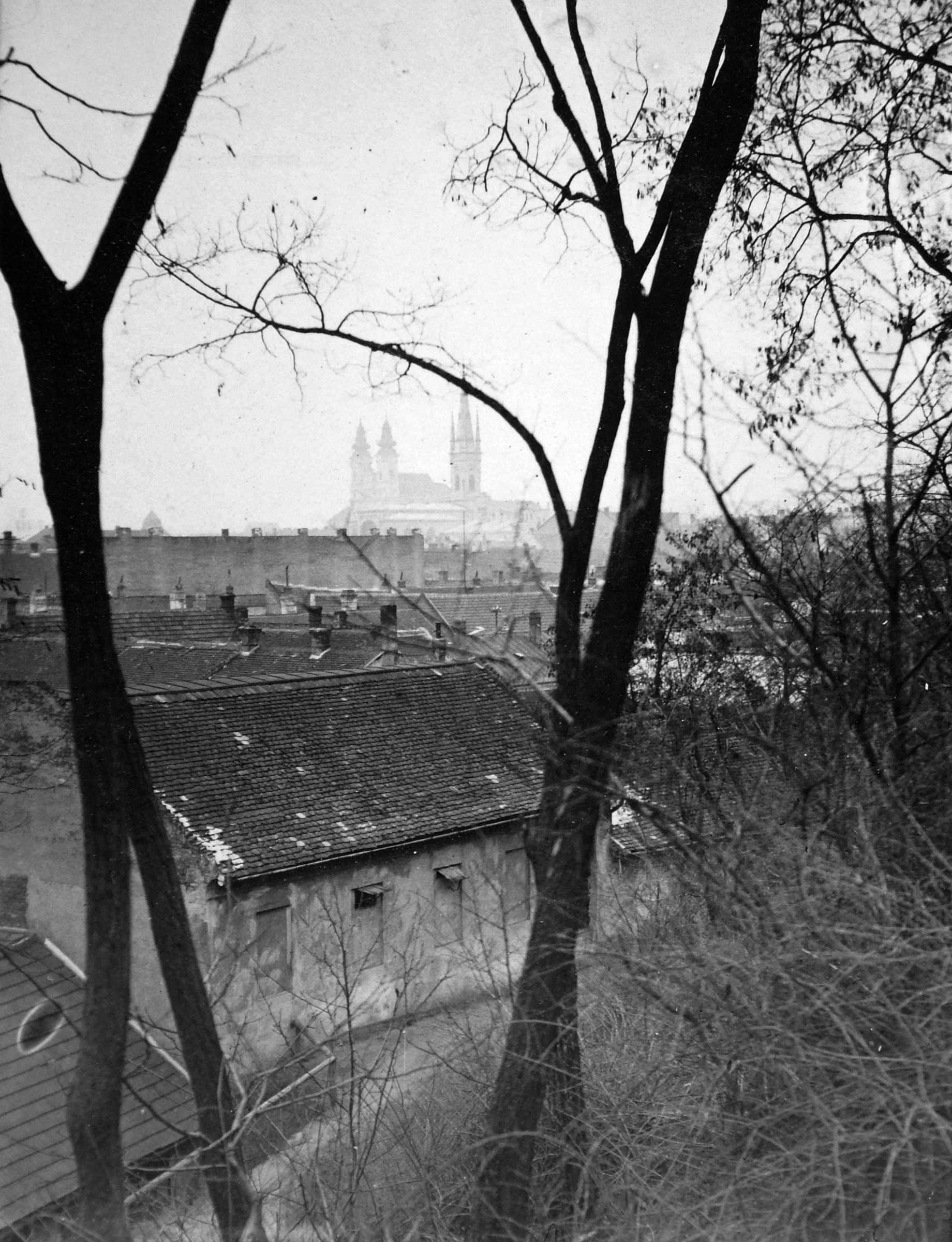
Know what the film holds before you begin.
This is the true story of Rabbi Michoel Ber Weissmandl and the Bratislava Working Group during the Holocaust in Slovakia. It names real loss. His wife and five children were murdered at Birkenau.
There is no violence on screen. The family is present through absence. You see shadows, an empty rail, a closing door. If you need to step out, you can do that without explaining yourself.
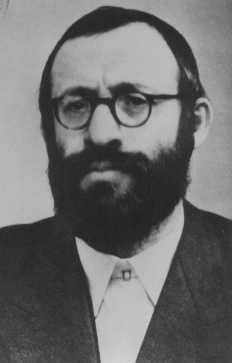
Michoel Ber Weissmandl. Born 1903. Scholar of Nitra.
Born in Debrecen, Hungary, in 1903, Weissmandl became a brilliant Torah scholar in Nitra, Slovakia, and married the daughter of his teacher, Rabbi Shmuel Dovid Ungar.
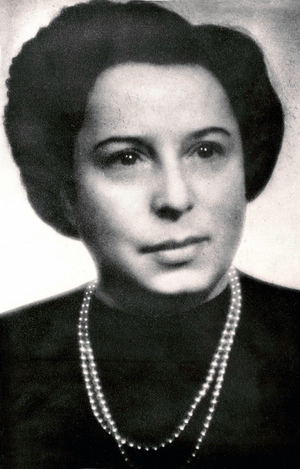
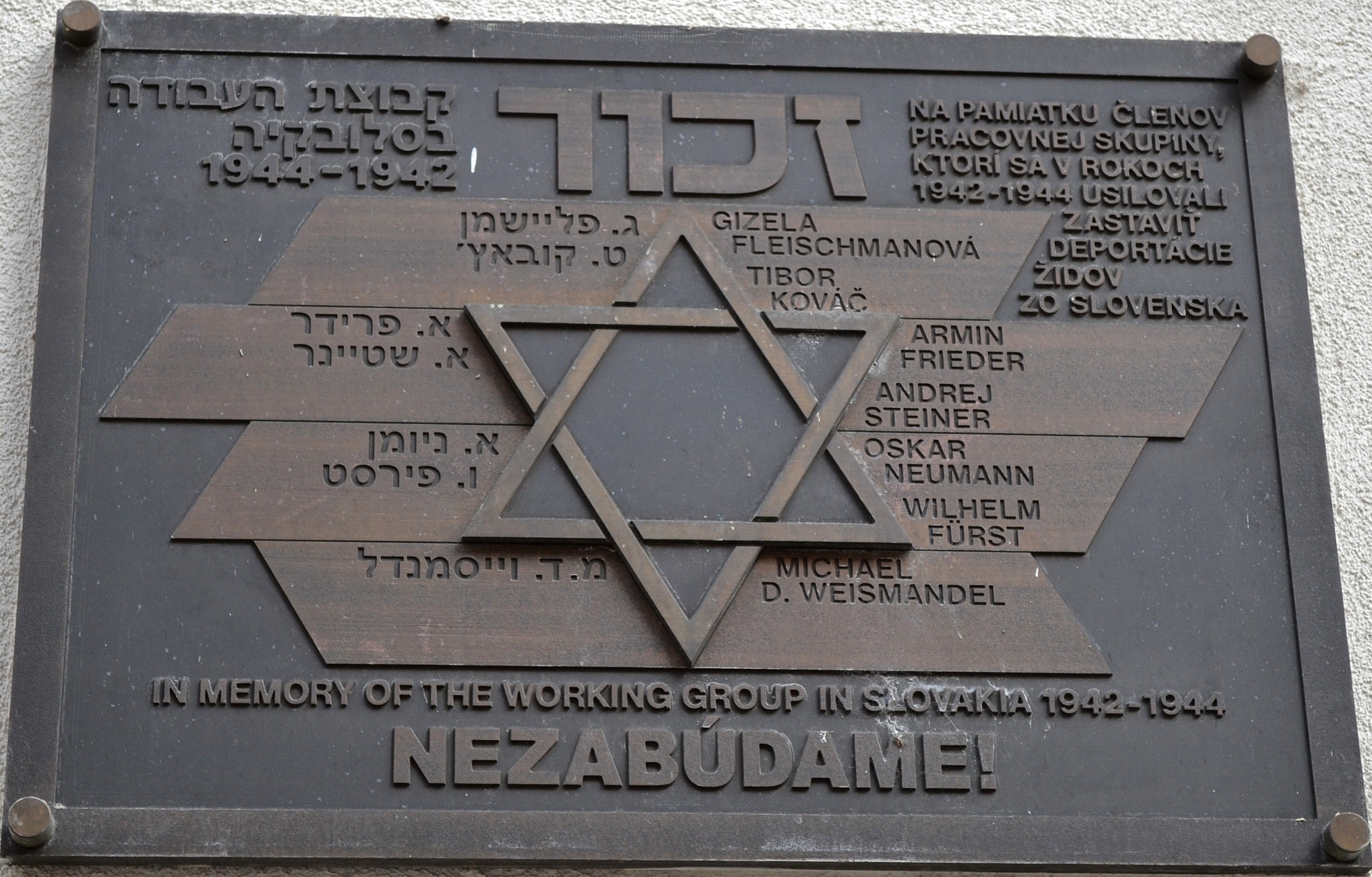
Fleischmann led. Weissmandl strategized.
In 1942 Gisi Fleischmann led the Bratislava Working Group. Weissmandl, who was her relative, worked alongside her as its chief strategist.
- The Group bribed an SS officer with tens of thousands of dollars.
- It forged letters from a Swiss official who did not exist.
- For nearly two years, the deportation trains from Slovakia stopped.
For nearly two years, deportations from Slovakia paused. The final narration connects the pause to bribery and forged letters. Historians still debate the cause. Keep separate what the film says, what happened, and what further sources can establish about why it happened.
Watch for three things: the empty rail that stays empty, the wire hidden in a loaf of bread, and the single figure who goes alone.
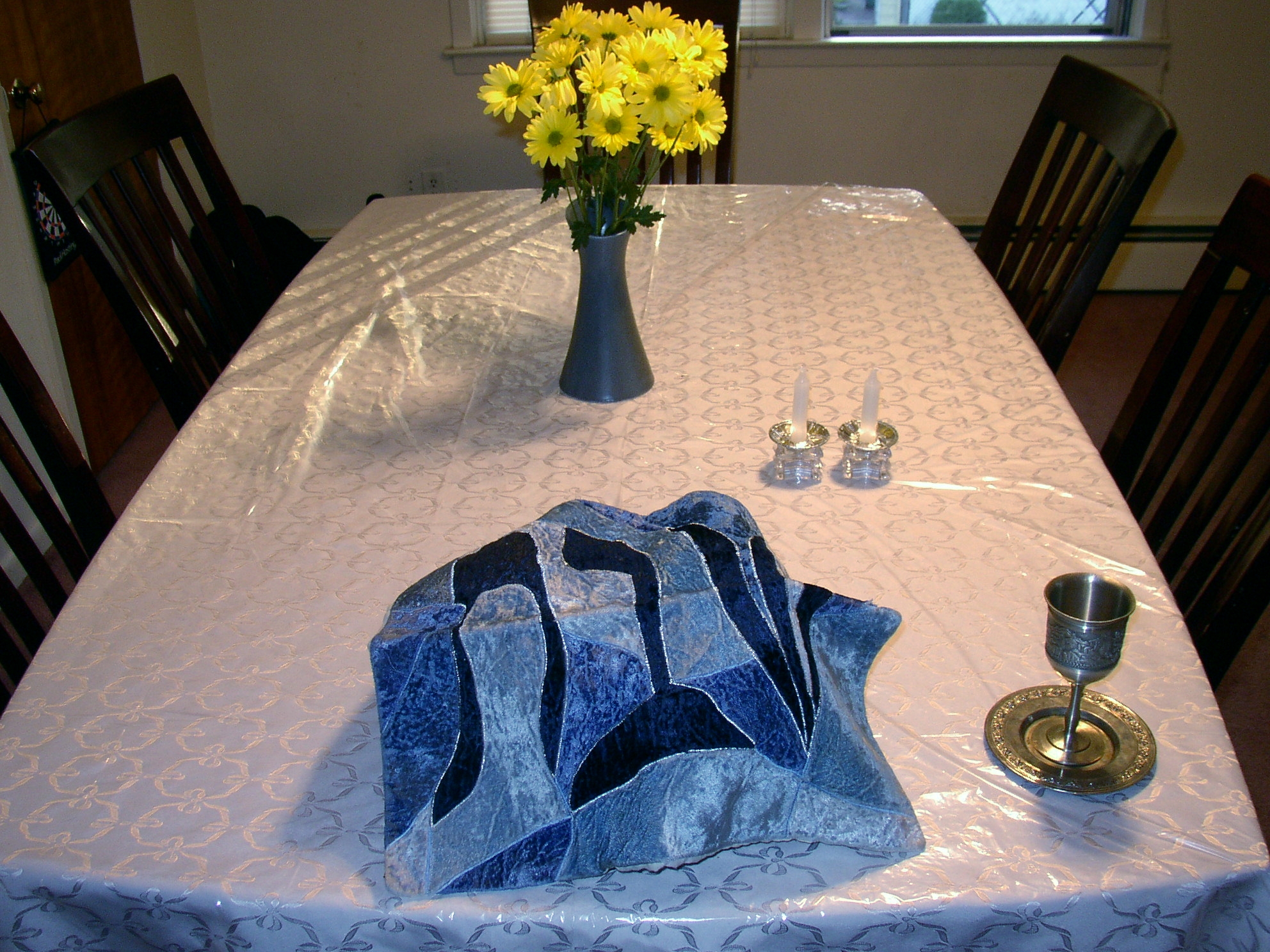
One word.
Before analysis, name what you are carrying. Not a thesis. Not a position. One word.
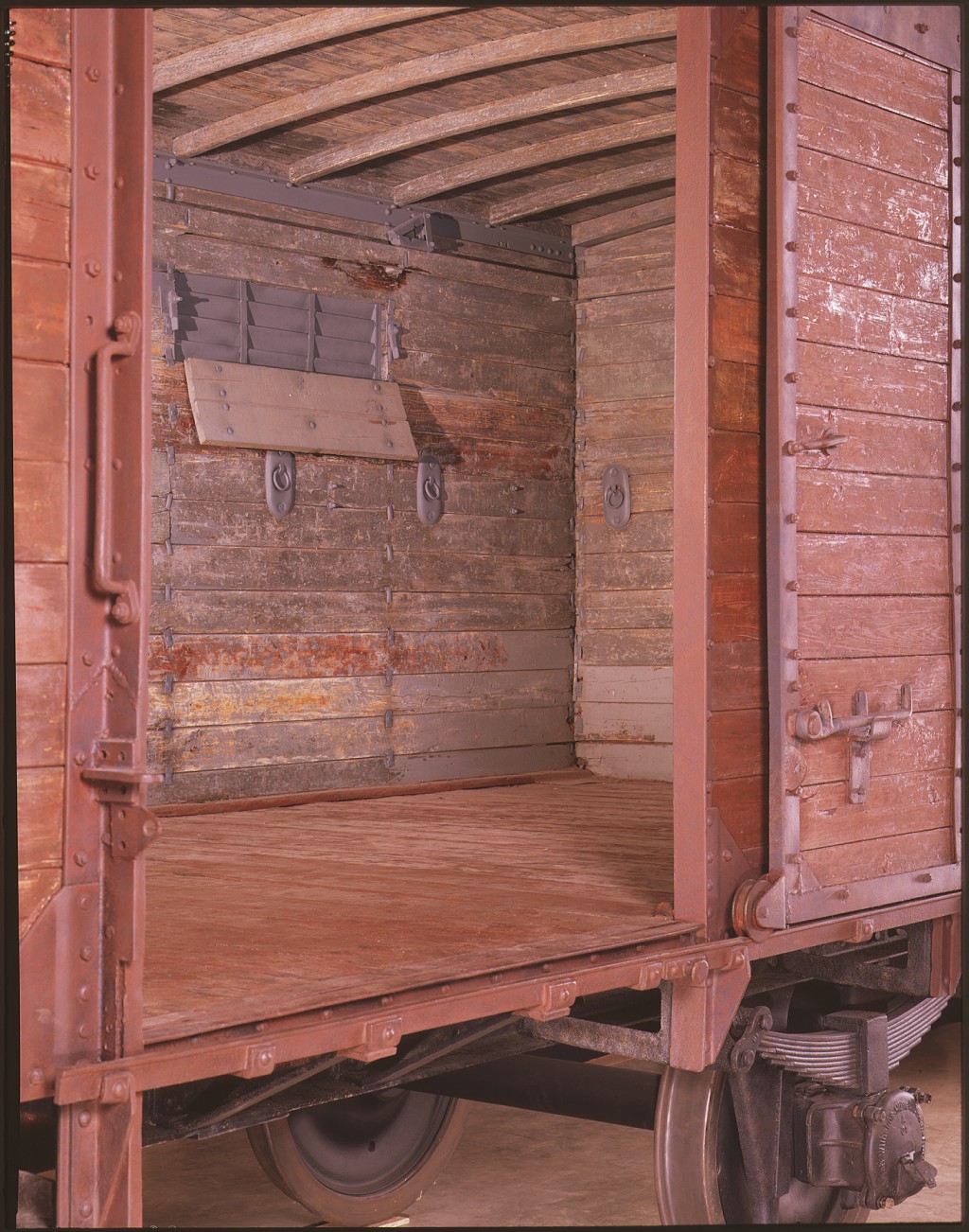
He jumped. His family did not follow.
- On September 7, 1944, the Nazis arrested Weissmandl, his wife, and their five children.
- At the Sered transit camp, he handed saws to strangers and taught them to cut their way off the trains.
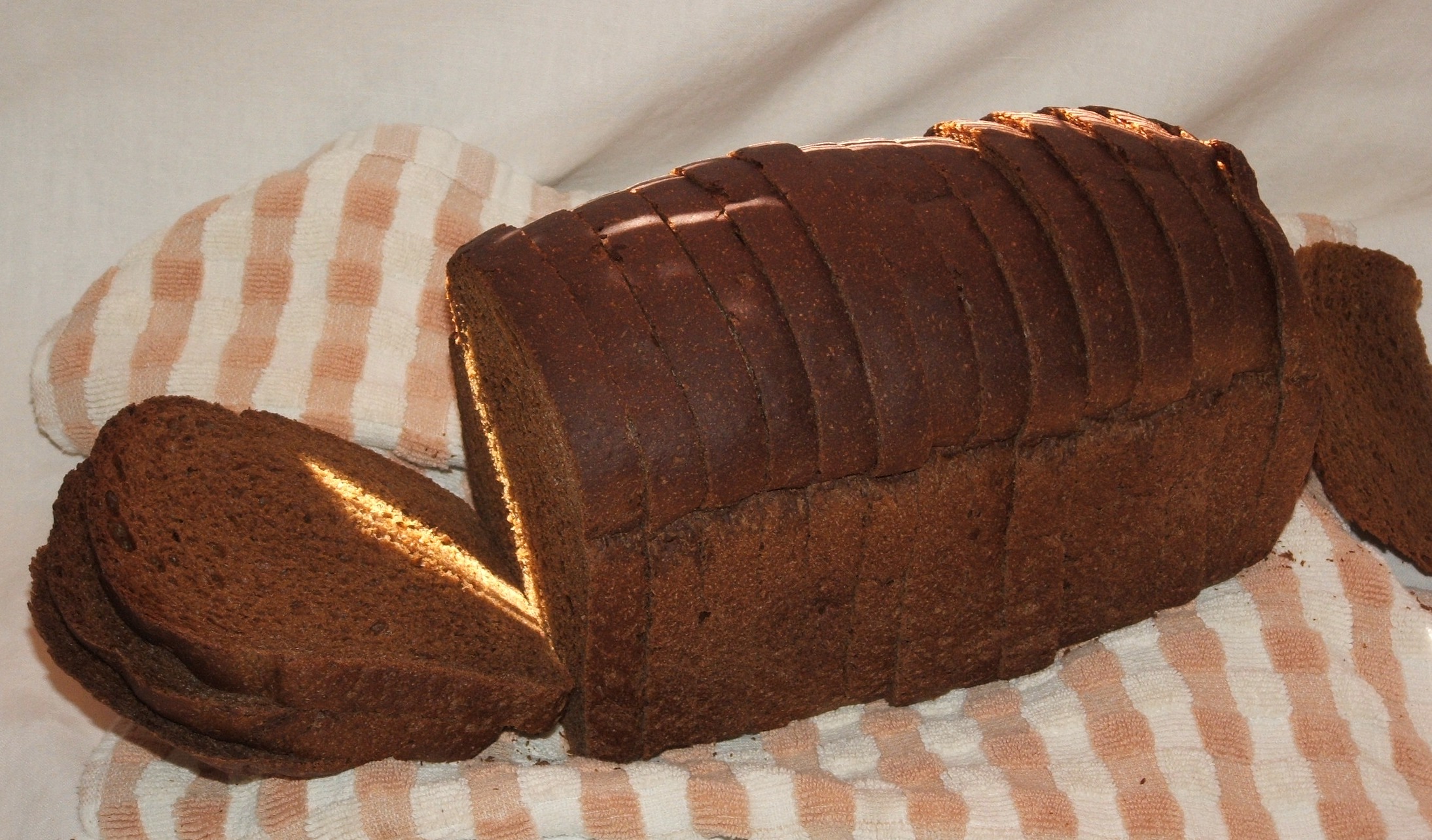
- A month later, sealed in a cattle car, he sawed through the lock with a wire hidden in a loaf of bread.
- He begged his wife and children to jump with him. Then he jumped. But no one else jumped.
Hold the final narration’s exact words: “He begged his wife and children to jump with him. Then he jumped. But no one else jumped.” The narration says what happened; it does not state why his family did not jump.
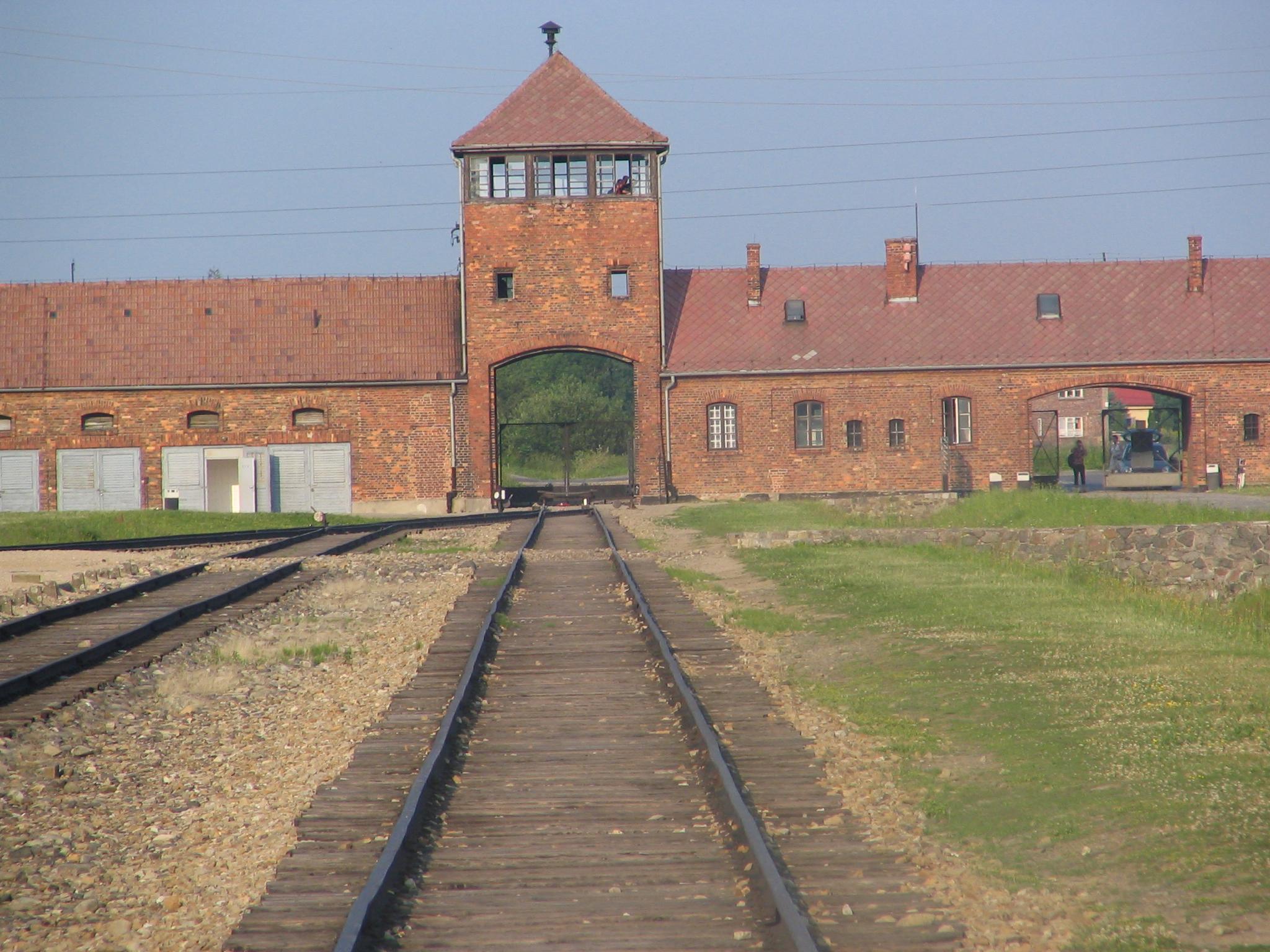
Hold all of it at once.
- The loss: His wife and five children were murdered at Birkenau.
- The rescuer: A righteous Slovak Christian, Julius Natali, found him and hid him until liberation.
- The grief: Weissmandl wept day and night for the rest of his life.
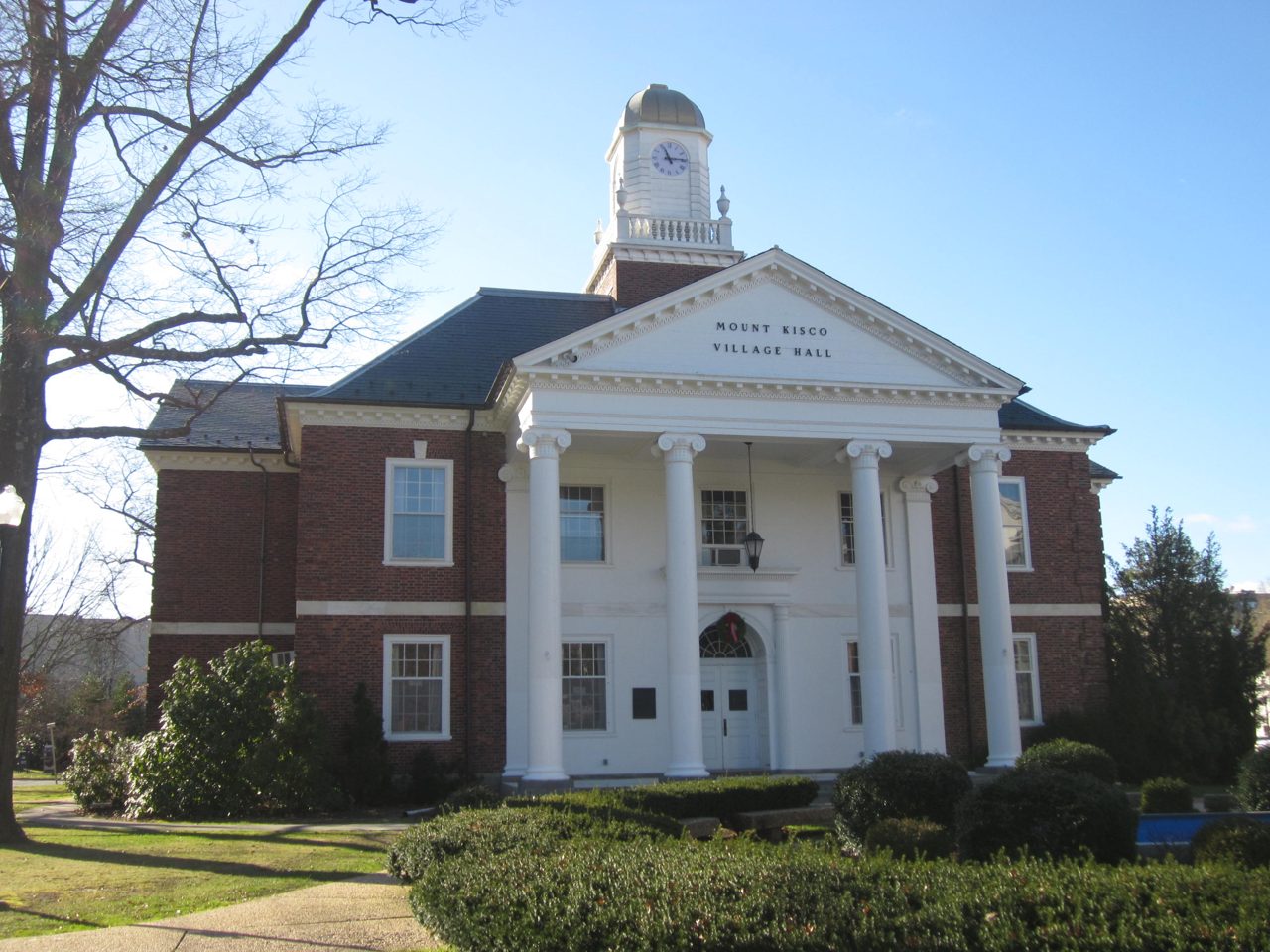
- The rebuilding: He rebuilt his father-in-law’s yeshiva on a farm in Mount Kisco, New York, where he died in 1957. It still teaches today.
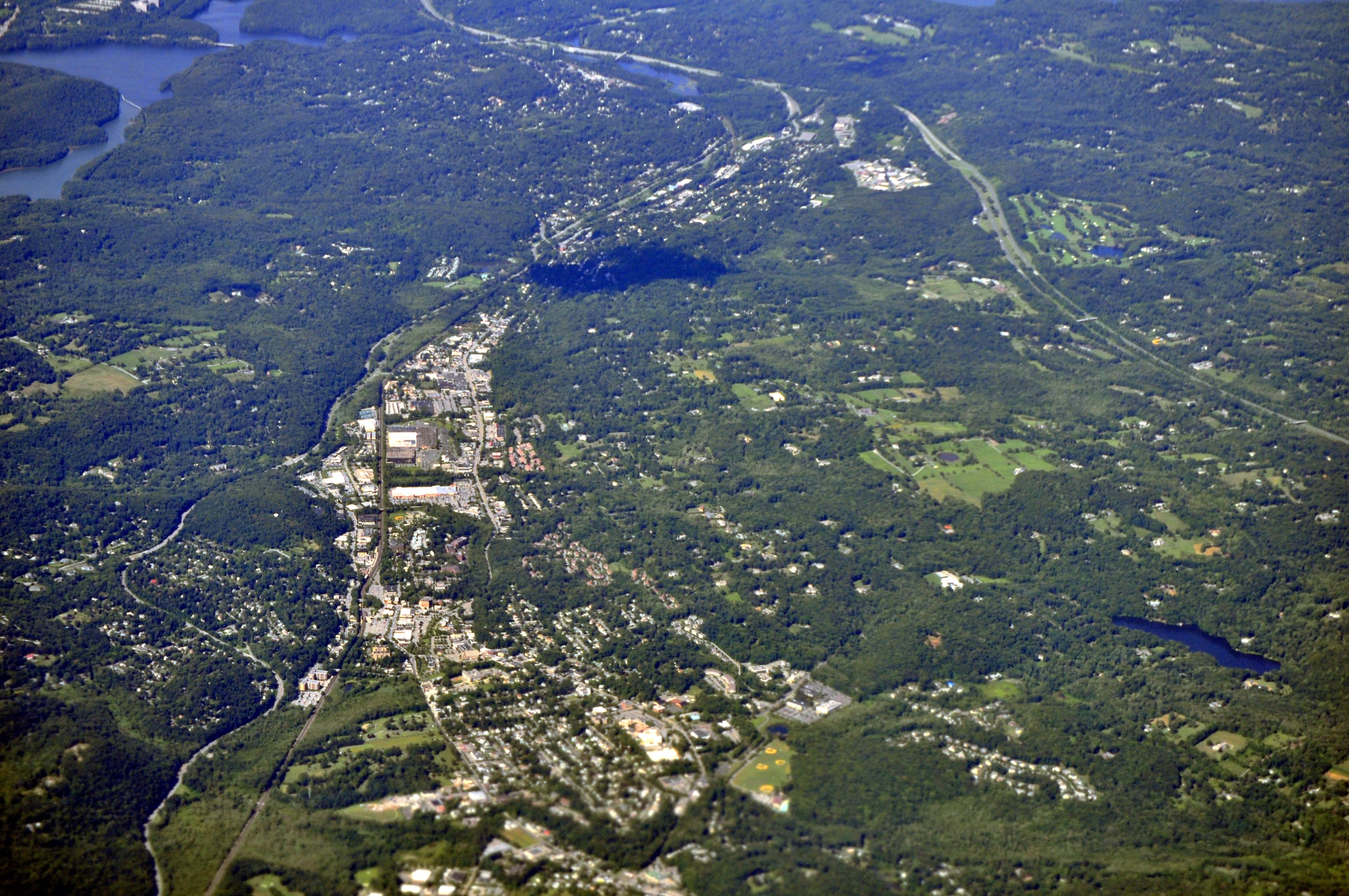
He could not save them. He did not abandon them.
Make a claim about what his choices mean. Support it with one specific moment from the story and one specific fact from the record. There is no single right answer.
One argumentative paragraph. 150–200 words.
Main claim. Evidence. Analysis. Link back to claim. Keep the people visible. That means Weissmandl, Gisi Fleischmann who led the Group, the strangers he handed saws to, and the wife and five children who were murdered.
Match each term to its meaning.
Tap a term on the left, then tap the meaning that matches it. Correct matches lock in.
Term
Meaning
Tap a term to begin.
What changed in how you understand rescue?
“He could not save them. The yeshiva still teaches.”
Michoel Ber Weissmandl · 1903–1957 · Nitra Yeshiva, Mount Kisco
You are here. In this room, now.
Take one breath. This story does not resolve neatly. It does not have to. Rescue at scale and a loss he could not prevent can sit side by side without cancelling each other out.
If you’re carrying something heavy, a trusted adult is here for you. If this brings up something difficult, a school counselor or a trusted adult is available to talk with you.