
The Weissmandl
Rescues
We will go one small step at a time. You will meet a brave rabbi, a secret rescue group, a train, and one hard question.
This lesson can read itself out loud. Tap Listen any time to hear a step again.
What this story is about.
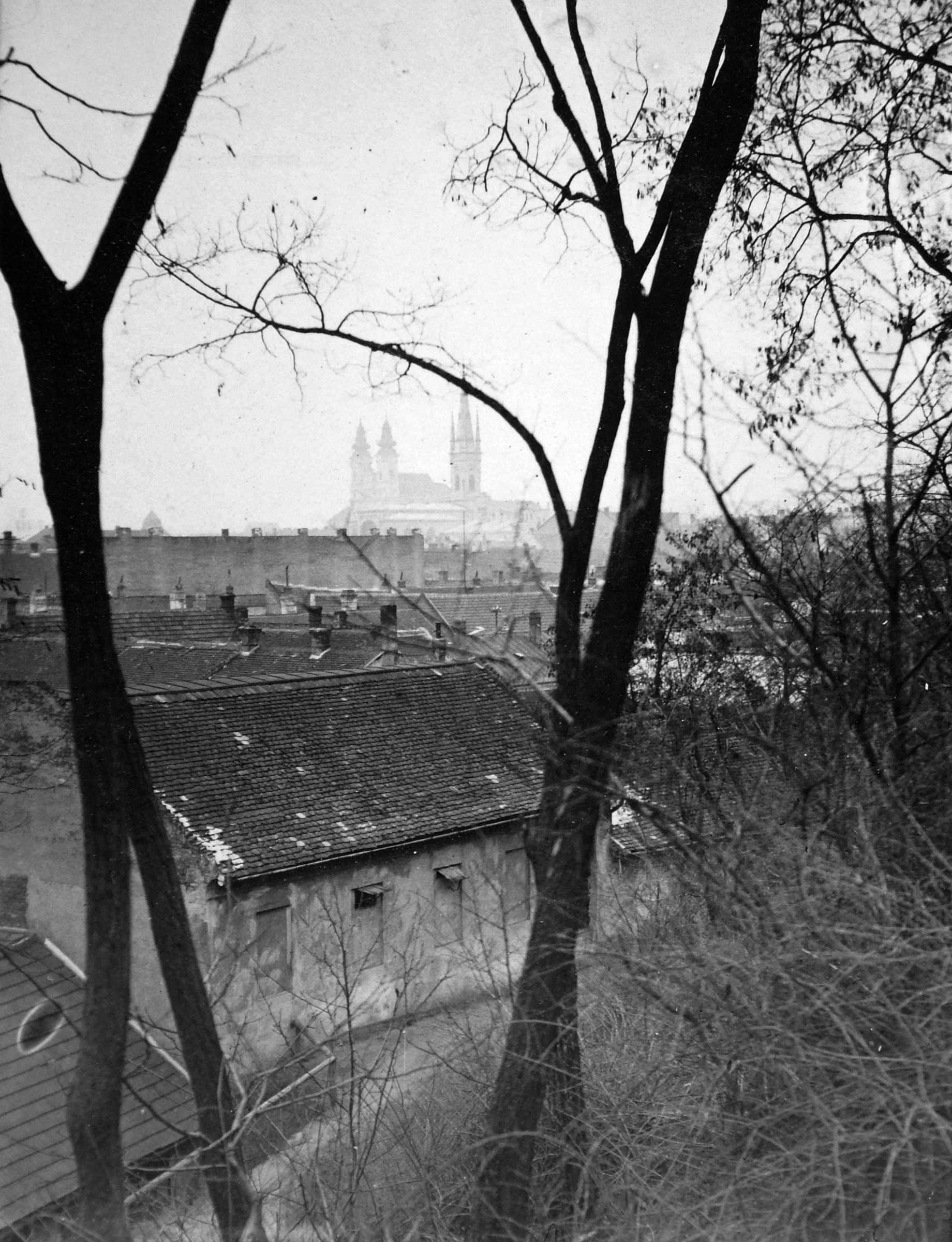
This is the true story of Rabbi Michoel Ber Weissmandl and a secret rescue group in Slovakia during the Holocaust. Something very sad happens: his wife and five children are killed.
The film does not show anything scary or bloody. You only see empty train tracks, shadows, and a door that closes. If any part of this is hard for you, that is a reasonable response. You can step away, and you can tell your teacher.
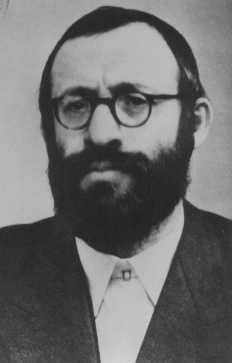
A very smart, very brave rabbi.
Michoel Ber Weissmandl was born in 1903. He grew up to be a brilliant scholar in the town of Nitra.
Here is the surprising part: he did not fight with weapons. He fought to save people using his mind, his courage, and clever tricks. One trick was writing fake letters to fool the Nazis.
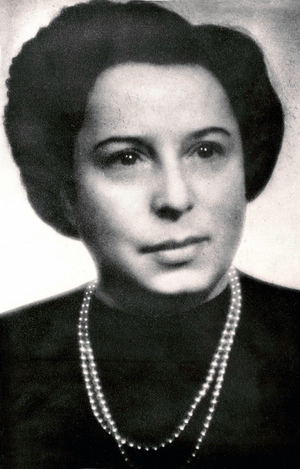
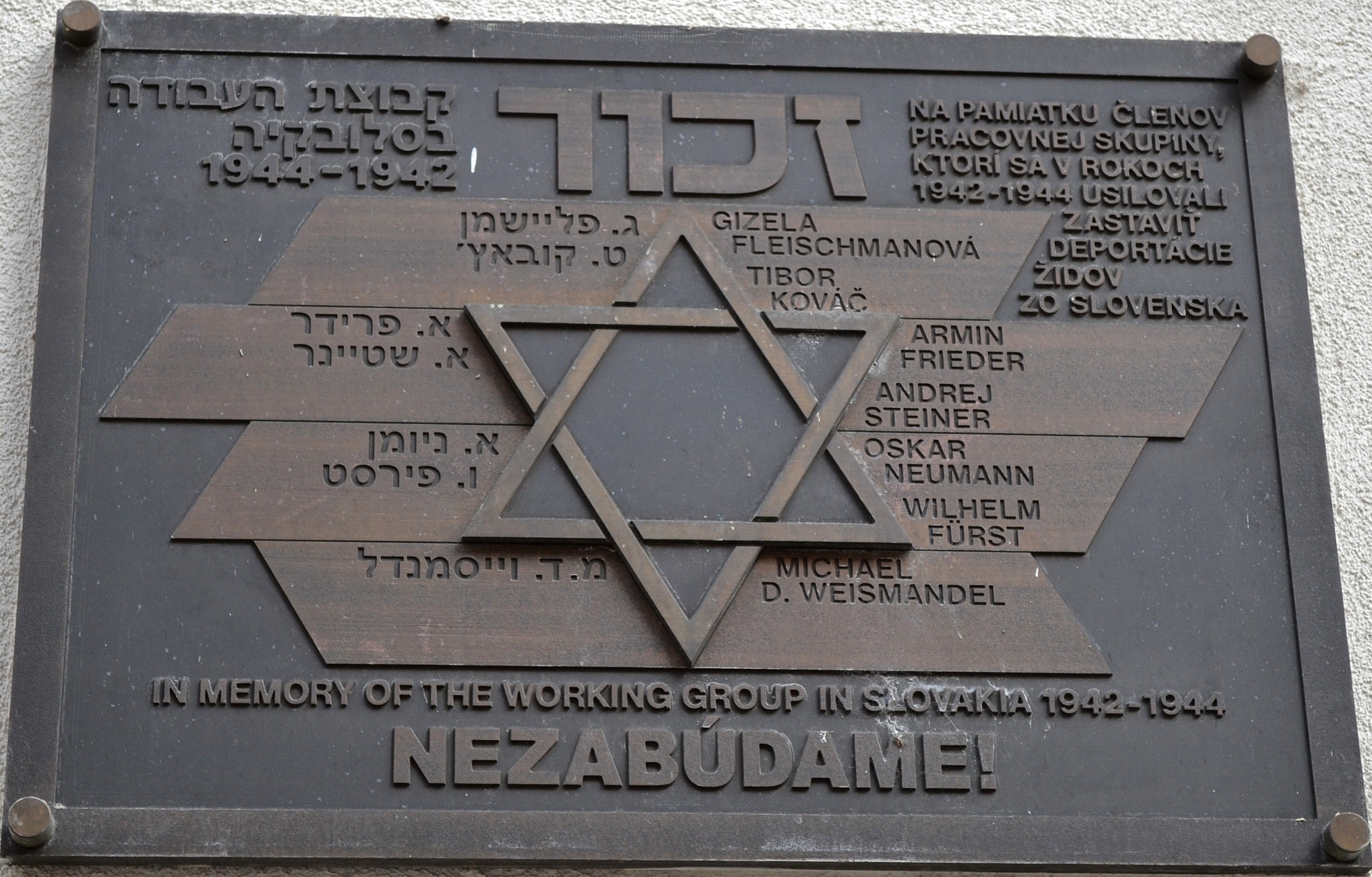
Fleischmann led. Weissmandl planned.
A brave woman named Gisi Fleischmann led a secret group in the city of Bratislava. Weissmandl was its planner.
- They paid a Nazi officer a huge bribe.
- They wrote fake letters to trick the Nazis.
- For almost two years, the trains stopped.
We know the trains stopped. Historians are still not sure exactly why.
When you watch, look for three things: the empty train tracks, a wire hidden in a loaf of bread, and one person who jumps alone.
One word.
This is a lot to hold. You do not need a big answer. Just one word for how this makes you feel.
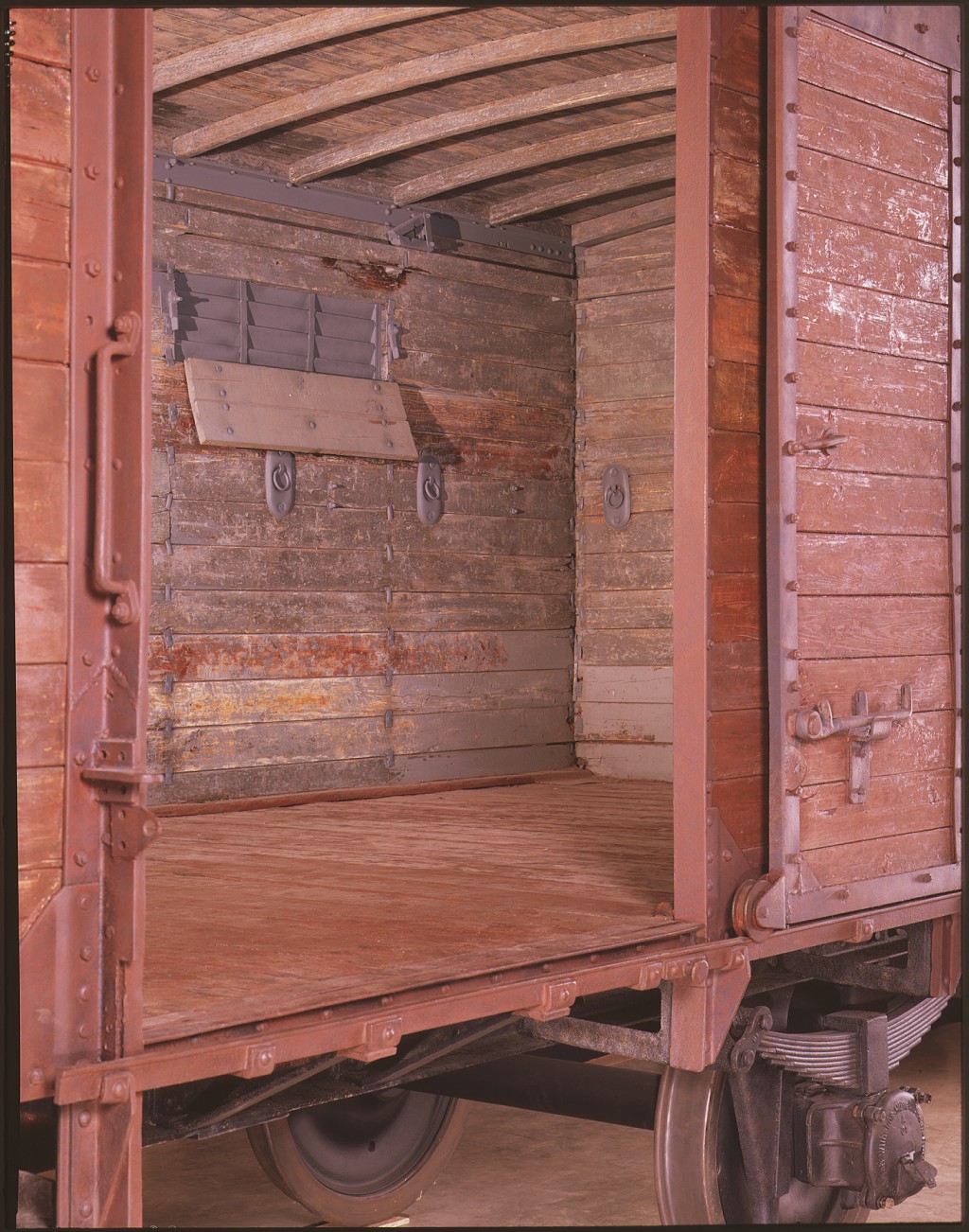
He jumped. His family did not follow.
- The Nazis put Weissmandl and his family on a train in a locked car.
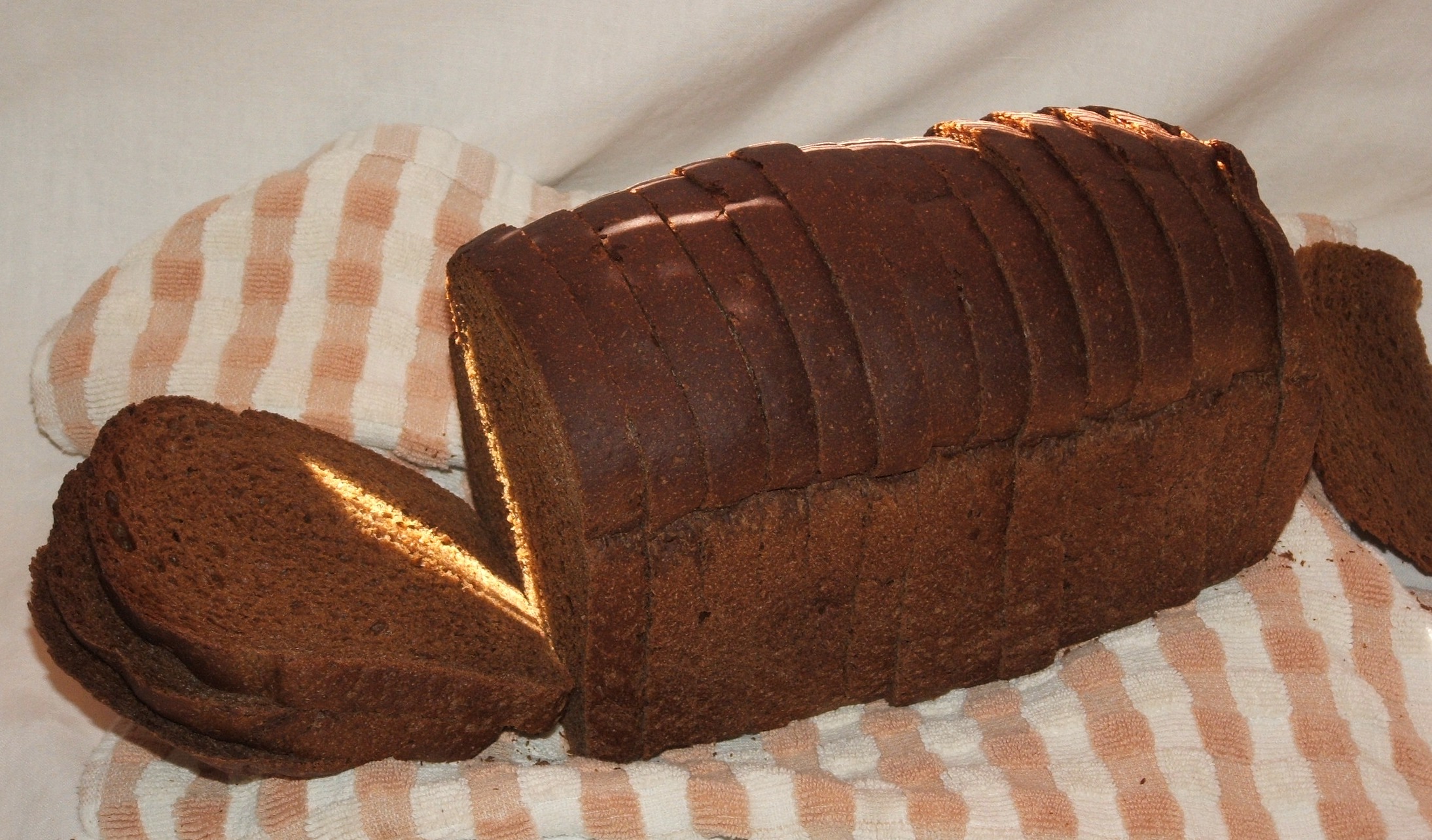
- He had hidden a wire in a loaf of bread, and he cut the lock open.
- He begged his family to jump with him. Then he jumped, but no one else jumped. The film does not tell us why they did not jump. Do not assume that fear or a choice explains what happened.
His wife and five children were murdered at Birkenau. The narration does not tell us why they did not jump.
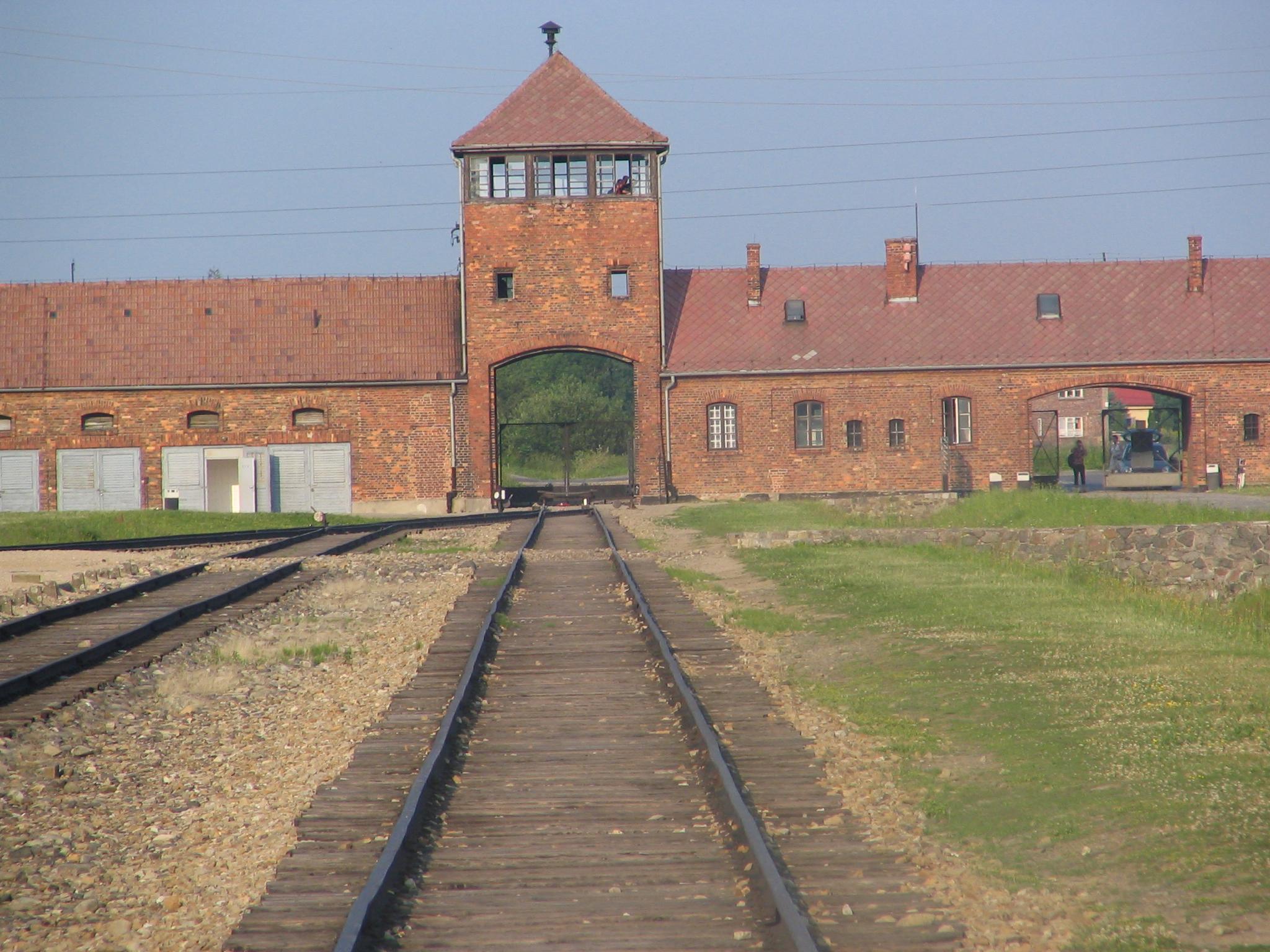
All of it is true at once.
- The loss: His wife and five children were killed.
- The rescuer: A kind Christian man, Julius Natali, hid Weissmandl until the war ended.
- The sadness: Weissmandl was very sad for the rest of his life.
- The rebuilding: He built a new school. It still teaches students today.
Write a short letter.
Imagine you are a stranger at the camp. Weissmandl hands you a small saw to help you escape. Write a short letter to your family (1–2 paragraphs).
What is happening to you. How you felt when the rabbi handed you the saw. What you hope for.
Match the word to its meaning.
Tap a word on the left, then tap the meaning that goes with it.
Word
Meaning
Tap a word to begin.
One big question.
Weissmandl could not save everyone. He could not save the people he loved most. Can he still be a hero?
“He could not save them. The school still teaches.”
Michoel Ber Weissmandl · 1903–1957
You are here. In this room, now.
Take one slow breath. This was a hard and sad story, and it is okay to feel that. You do not have to have all the answers.
If you’re carrying something heavy, a trusted adult is here for you. If this brings up something difficult, a school counselor or a trusted adult is available to talk with you.