The Weissmandl
Rescues
A lesson on rescue at scale and intimate loss, the discipline of documented outcome versus contested cause, and the ethics of representing what cannot be shown.
The words you will use are themselves arguments.
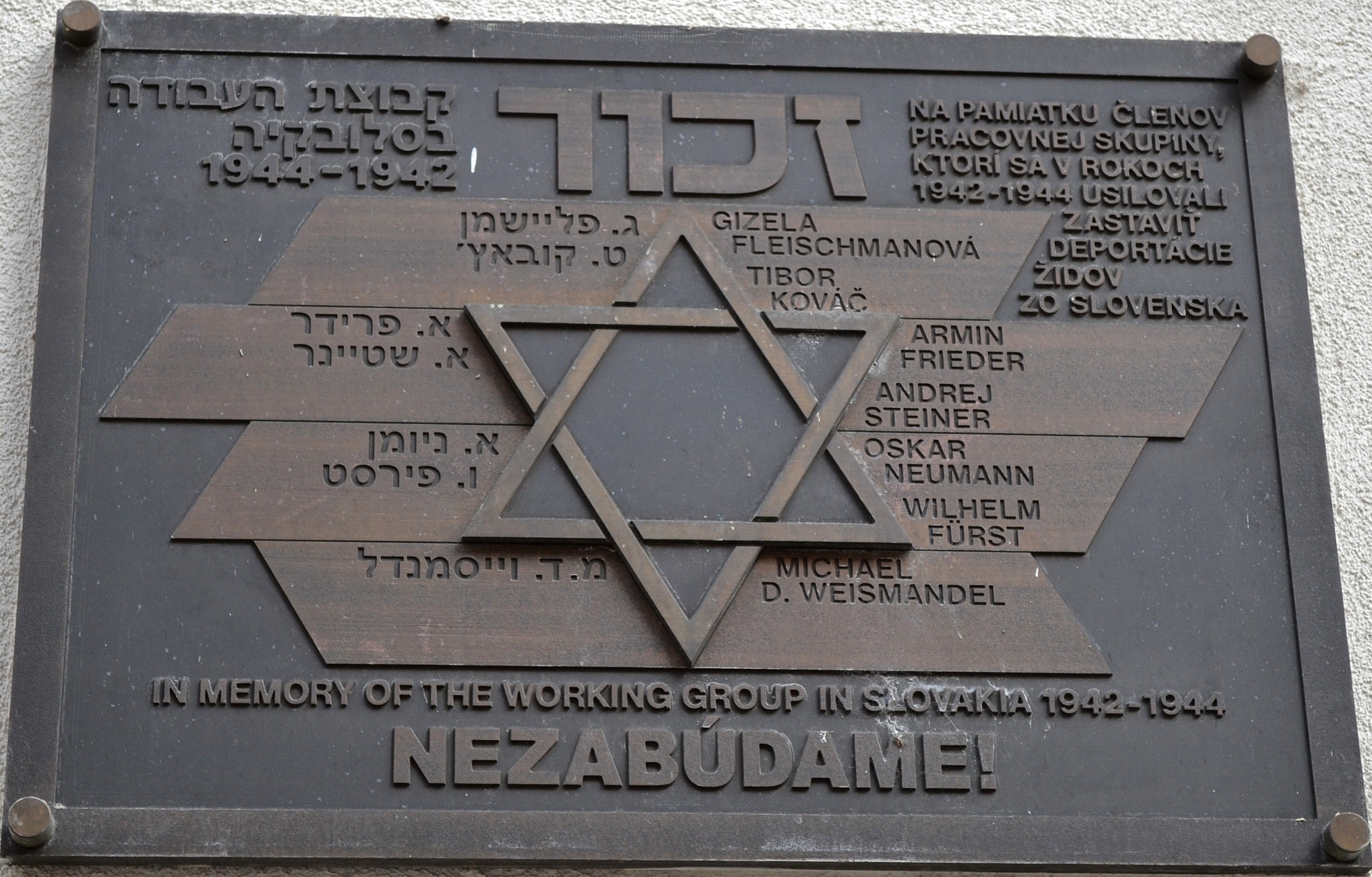
Rescue. Resistance. Collaboration. Complicity. Each word carries a judgment about what the Working Group did when it bribed a mass murderer to buy time.
The scholarship does not agree. Professor Yehuda Bauer, among others, was reluctant to credit an Orthodox Slovak rabbi as the strategic mind behind the effort. Your task is to engage that disagreement, not to resolve it before you have the evidence.
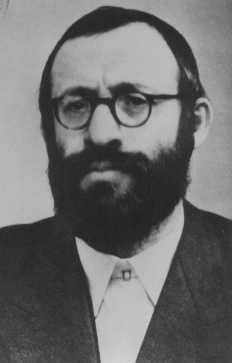
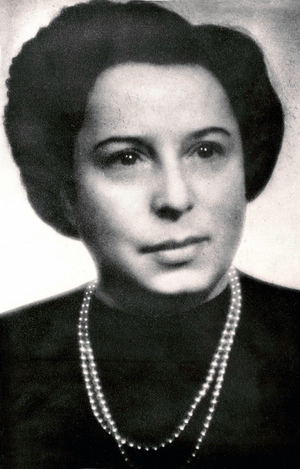
Michoel Ber Weissmandl · the whole life
- 1903. Born in Debrecen, Hungary.
- 1930s. Researches Hebrew manuscripts at Oxford’s Bodleian Library, which earns him the name “the Bodleian rabbi.”
- 1937. Marries the daughter of his mentor, Rabbi Shmuel Dovid Ungar of Nitra.
- 1942. Becomes chief strategist of the Bratislava Working Group, led by his relative Gisi Fleischmann.
- 1944. Arrested with his wife and five children; escapes the cattle car alone; his family is murdered at Birkenau.
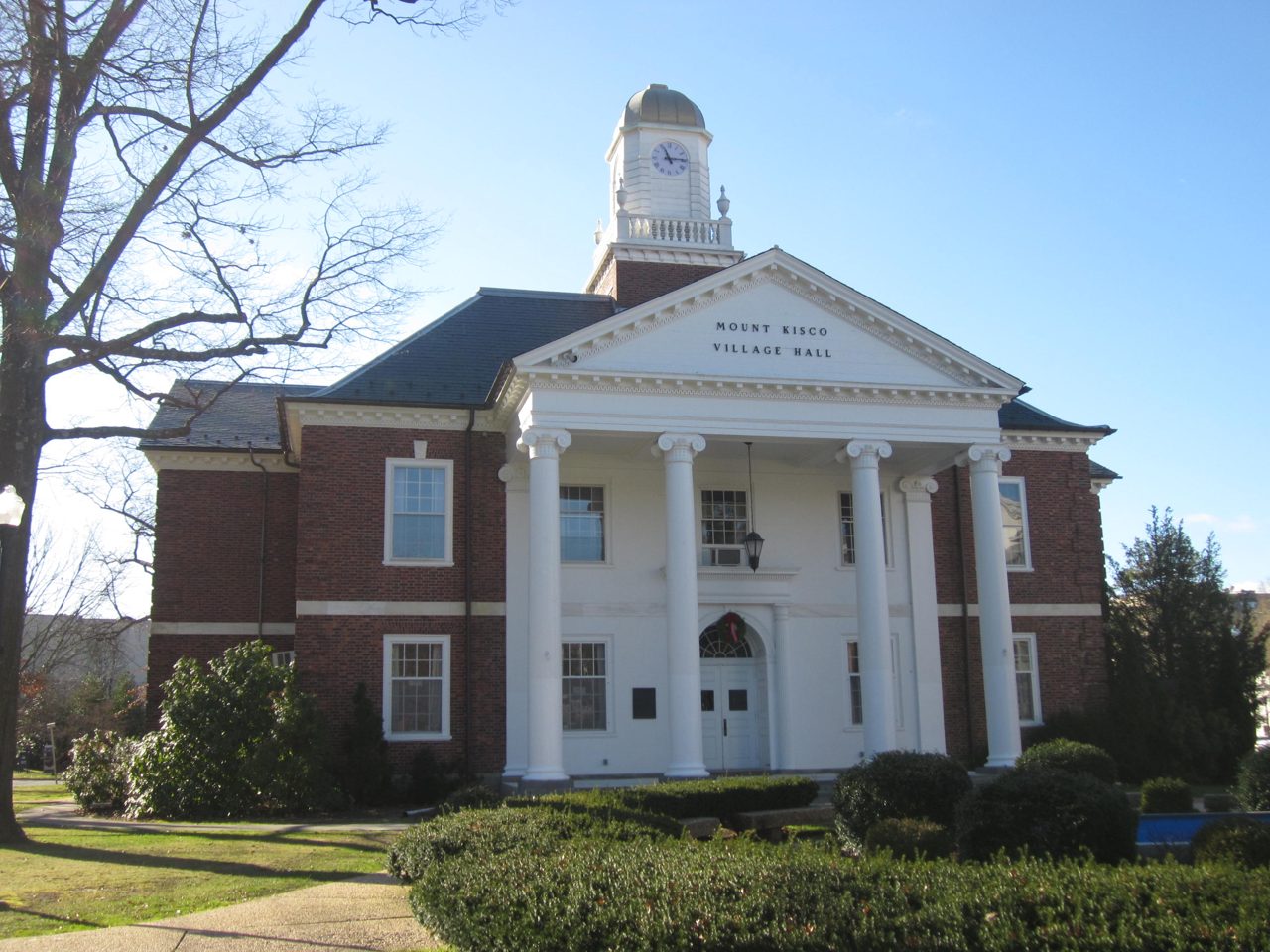
- 1949. Rebuilds his father-in-law’s yeshiva on a farm in Mount Kisco, New York.
- 1957. Dies in Mount Kisco, at age fifty-four.
The yeshiva still operates today. The whole arc is part of how to read his wartime choices.
Documented outcome. Contested cause.
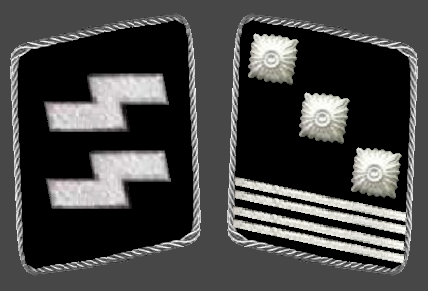
Alongside his relative Gisi Fleischmann, who led the Bratislava Working Group, Weissmandl strategized its boldest gambits: a bribe of tens of thousands of dollars to an SS officer, and forged letters from a Swiss official who did not exist.
For nearly two years, deportations from Slovakia paused. The final film attributes that pause to bribery and forged letters. Historians dispute the causal connection. Identify the film’s assertion accurately, then distinguish it from an explanation supported by independent evidence.
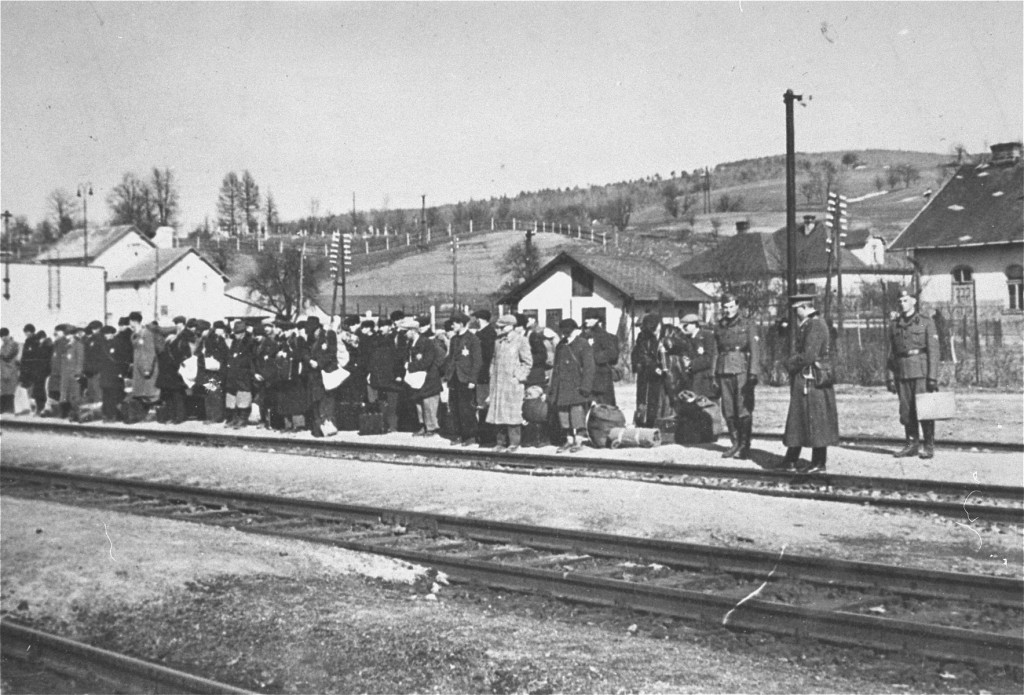
The film makes its argument through restraint. The empty rail, the wire in the bread, the door that closes, the figure who goes alone. Ask what each image is claiming before you accept or reject it.

One word.
Before argument, name what you are carrying. Not a thesis. Not a position. One word.
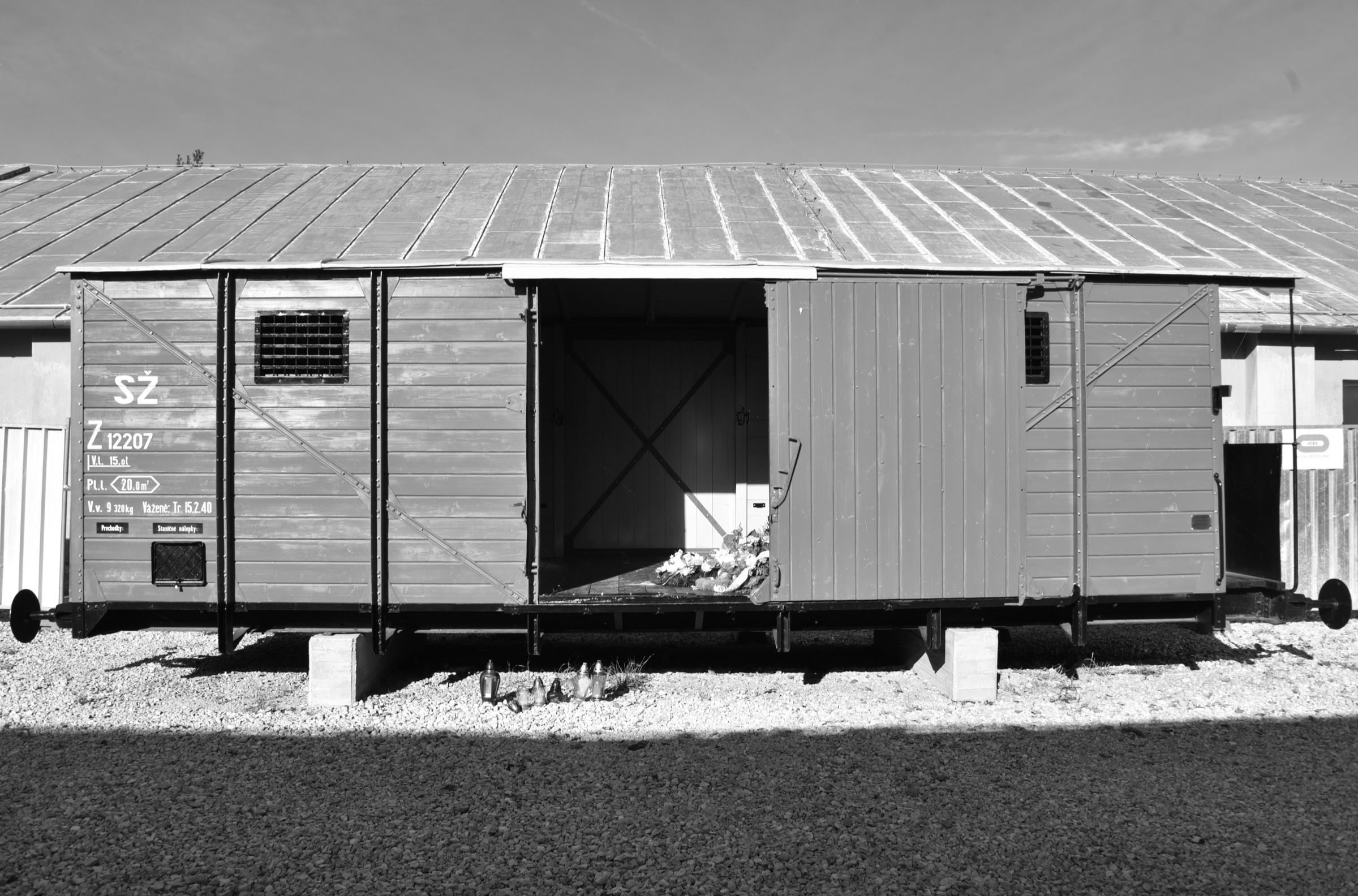
What the film claims, and what historians dispute.
“putting a stop to deportations from Slovakia for two years.” Final English narration: a causal assertion to identify and evaluate.
The film connects bribery and forged letters to the pause. The pause and its cause are different historical questions. Historians dispute what produced the pause, so distinguish the narration’s causal assertion from an explanation established by independent evidence. This lesson does not settle the dispute.
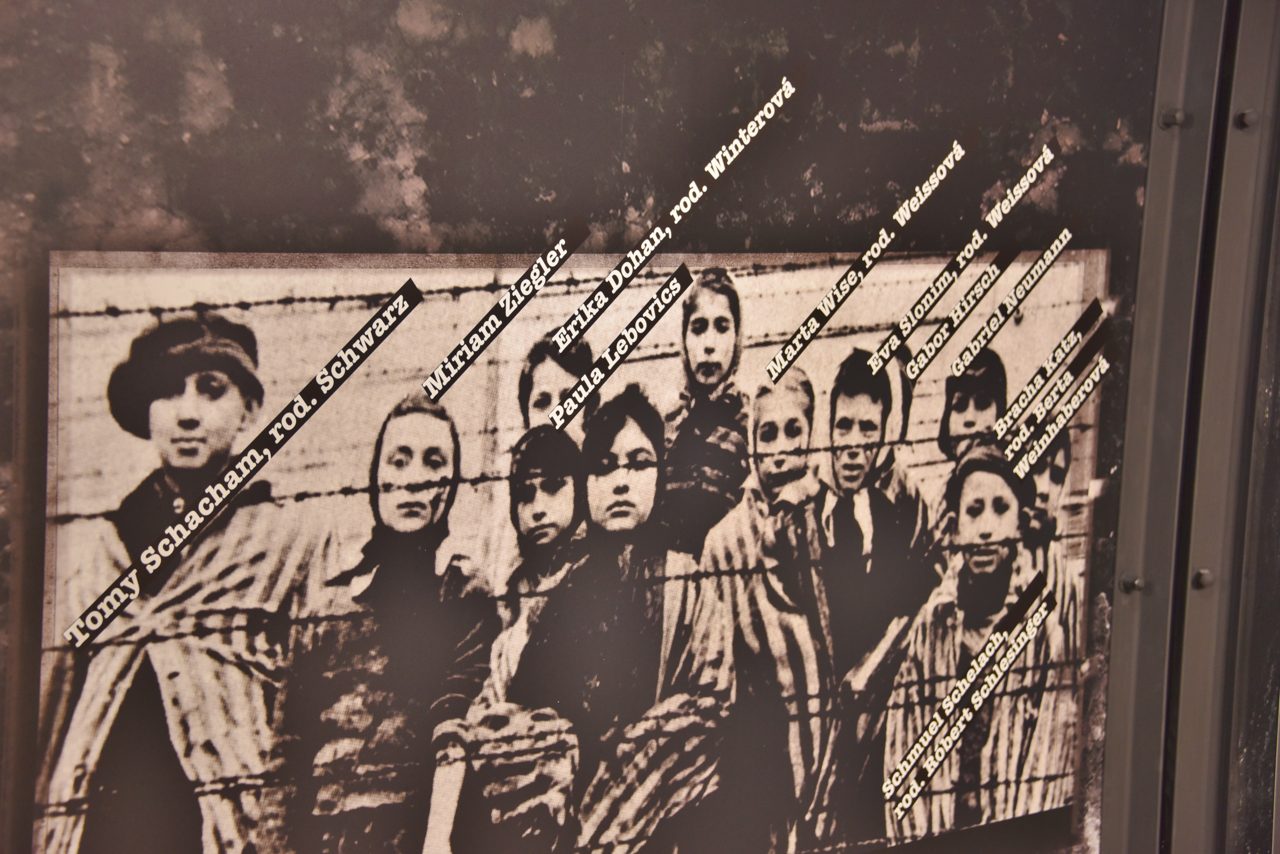
History built on the memory of the few.
Much of what we know rests on a small number of witnesses.
- Andrei Steiner, the sole surviving member of the Working Group, recorded by Project Witness at age 101.
- The children of Julius Natali, the Slovak Christian who hid Weissmandl.
- A grandson of the Stropkov Rebbe, hidden alongside him.
Even careful sources disagree on details. The exact number of people in the bunker, for instance, is unresolved, so the film states no count. Consider what it means to build history on the memory of survivors.
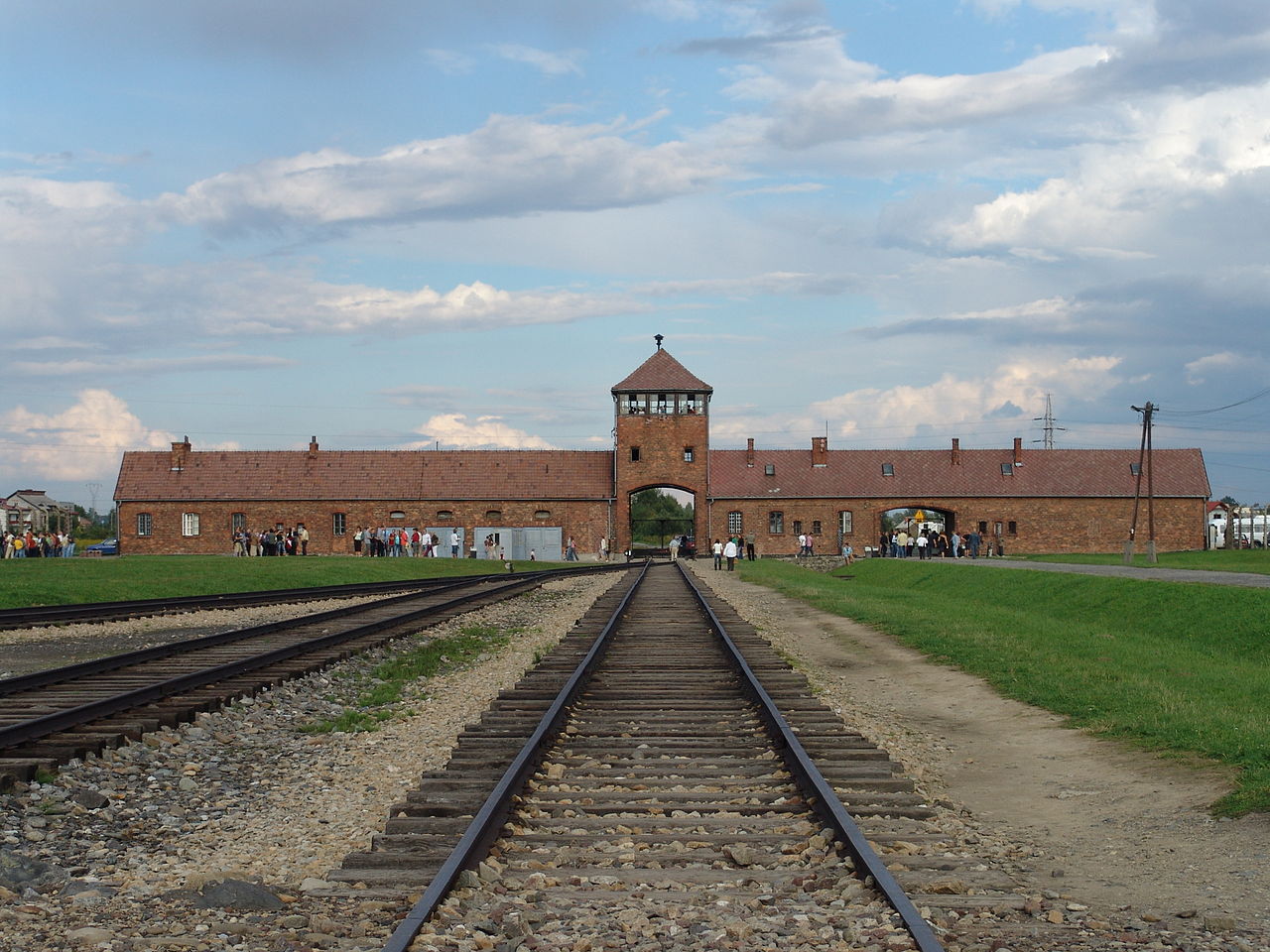
What is protected by telling it this way.
The film shows the wife and five children only through absence. They appear as silhouettes, as shadow, as an empty rail. Their faces are never modeled; the wife’s name is never spoken.
The final narration says: “He begged his wife and children to jump with him. Then he jumped. But no one else jumped.” Analyze how this sequence carries loss without adding a motive or an emotional explanation that the narration does not state.
Analytical essay. 350–450 words.
Prompt: What does Weissmandl’s case teach about the moral weight of negotiating with a mass murderer to buy time? When is rescue at scale a sufficient answer to the loss it could not prevent?
Use the documented outcome (the trains stopped for two years), the shared leadership with Gisi Fleischmann, and the discipline of outcome-versus-cause as evidence. Name what would make your essay fail ethically: sentimentality, or over-claiming what the record will not bear. Serious work names its own danger before it proceeds.
Put the arc in order.
Tap these moments in the order they happened, earliest first. A wrong tap resets the sequence.
Tap the earliest moment first.
Leave with the disagreement intact.
You do not need to force a clean resolution between rescue and failure, between documented outcome and contested cause, between honoring a life and scrutinizing it.
Responsible attention to this history means being able to name three things:
- what you know, meaning the documented facts (the arrest of 7 September 1944, the two-year pause, the murders at Birkenau, the rebuilt yeshiva)
- what is uncertain, meaning the cause of the pause, the bunker count, and the details that rest on the memory of a few witnesses
- what your interpretation assumes, meaning the values you bring to weighing rescue against the loss it could not prevent
“He could not save them. The yeshiva still teaches.”
Michoel Ber Weissmandl · b. 1903, Debrecen · d. 1957, Mount Kisco
You are here. In this room, now.
Take one breath. You are leaving with a disagreement between rescue and failure, between documented outcome and contested cause. It is not a problem you failed to solve. It is the honest shape of this history.
If you’re carrying something heavy, a trusted adult is here for you. If this brings up something difficult, a school counselor or a trusted adult is available to talk with you.