Recommended: single class period or split across two days.
Curriculum & Course Alignment
- 10th Grade Global Studies / Global History & Geography II (NY). Unit on World War II, the Holocaust, and crimes against humanity. The Slovak case foregrounds Jewish resistance and rescue, and how the free world responded, or failed to respond.
- 9–12 World History (most state frameworks). WWII, the Holocaust, collaboration and resistance under Nazi-aligned regimes, and the range of Jewish responses to persecution.
- AP World History / AP European History. The Holocaust in the satellite states; the machinery of deportation; rescue networks and the bystander problem.
- NY State Holocaust Education Mandate. The equivalents in 25+ states apply as well. The episode centers Jewish agency: resistance by diplomacy, forgery, and ingenuity rather than arms.
- Cross-disciplinary uses. ELA (rhetorical analysis of documented-outcome vs. contested-cause); Philosophy / Ethics (negotiating with a mass murderer to buy time, 11–12); Civics (the responsibilities of neutral and Allied powers who received warnings).
Episode Summary
About This Film
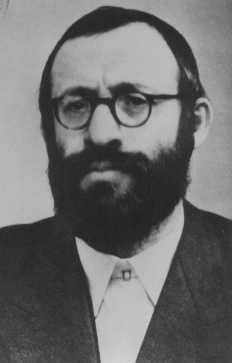
Rabbi Michoel Ber Weissmandl was born in Debrecen, Hungary, in 1903 and became a brilliant Torah scholar in Nitra, Slovakia. In 1942, in the Nazi-aligned First Slovak Republic, a clandestine Jewish–Christian rescue network known as the Bratislava Working Group (Pracovná skupina) formed to try to halt the deportation of Slovak Jews to Auschwitz. It was led by Gisi Fleischmann, Weissmandl’s relative; Weissmandl became its chief strategist.
The Group bribed an SS officer with tens of thousands of dollars and forged letters in the name of a Swiss official who did not exist. For nearly two years, the deportation trains from Slovakia stopped. That two-year pause is the documented outcome; historians dispute whether the bribery caused it, and the honest telling states the outcome without claiming the cause.
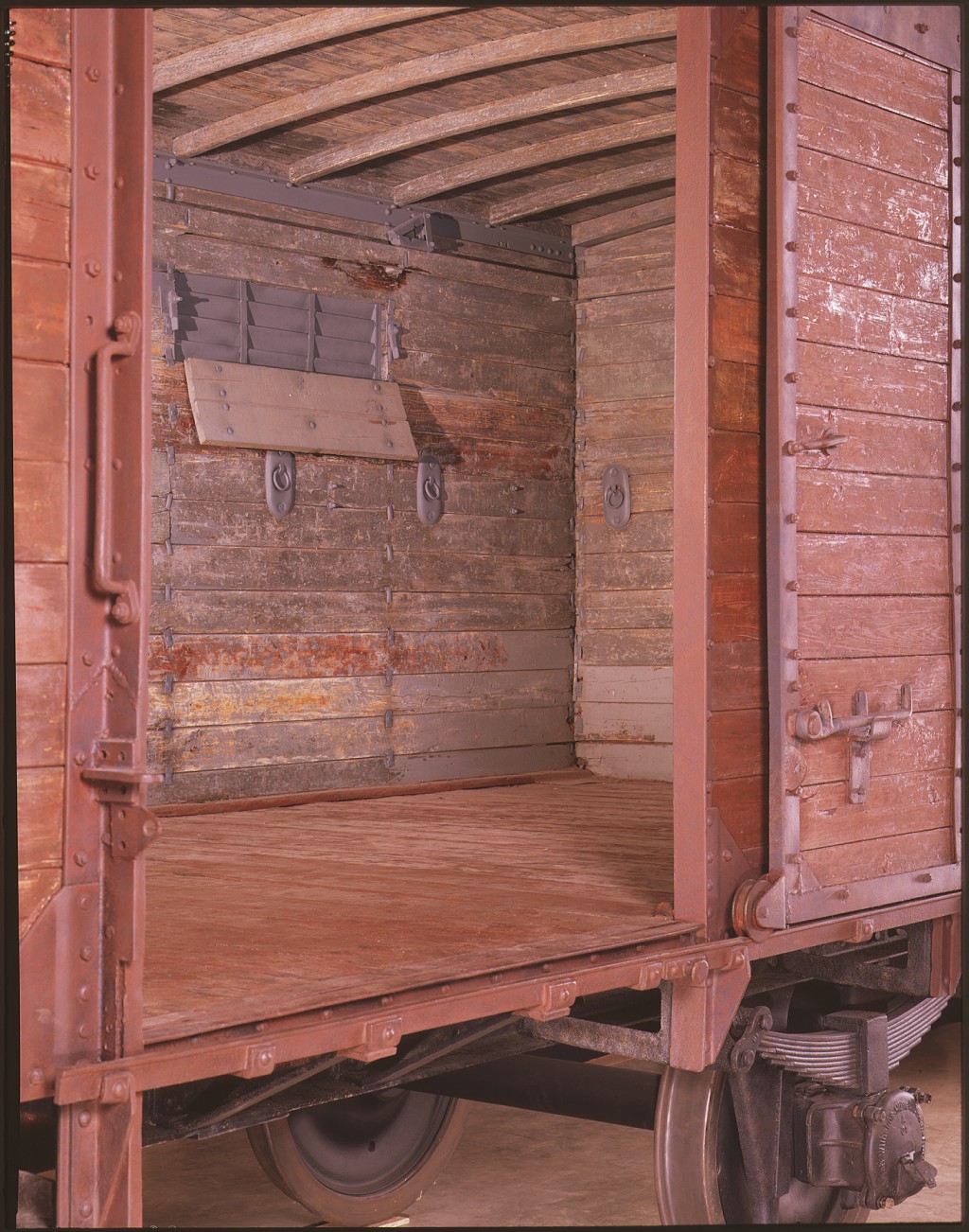
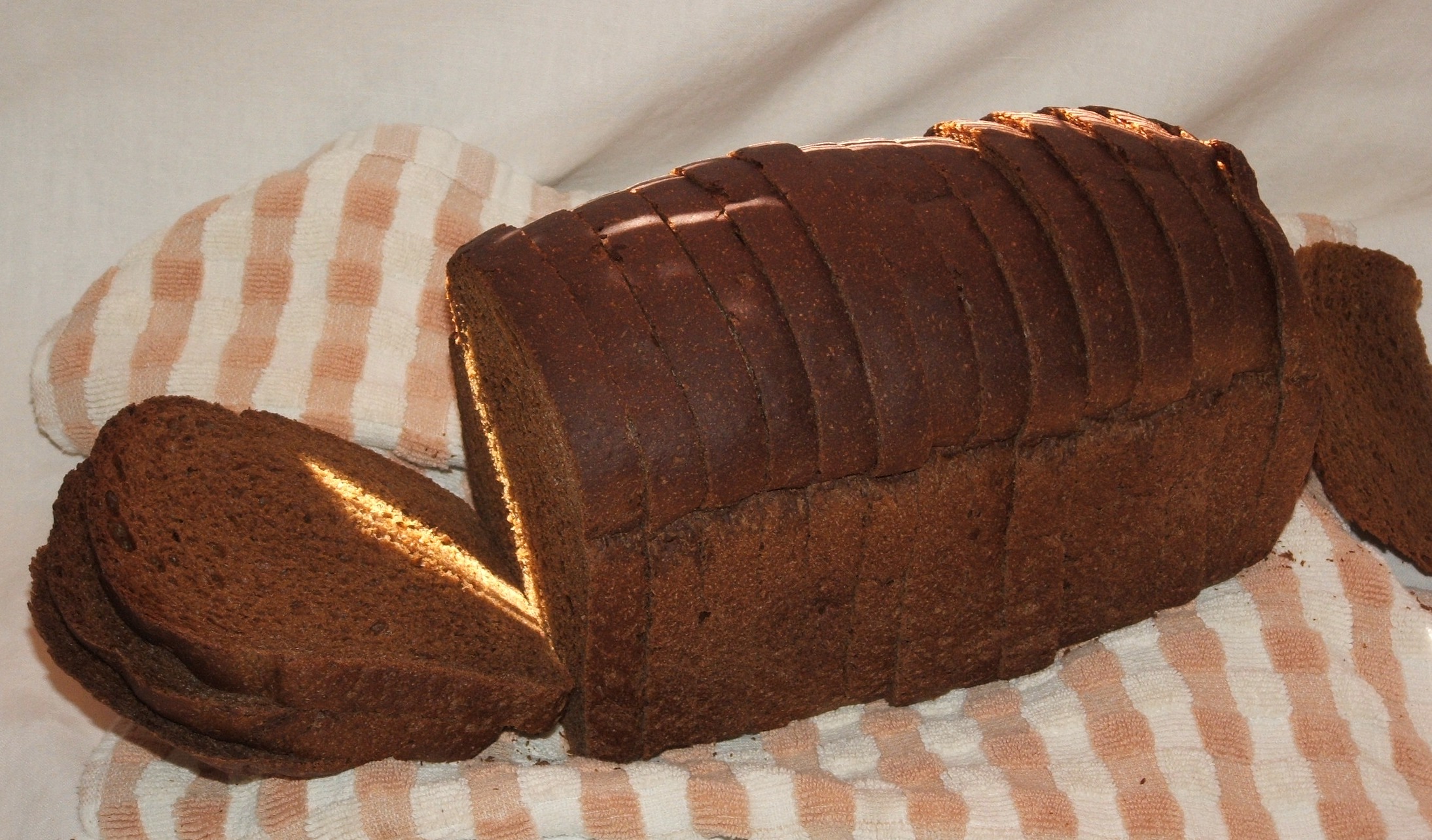
When the deportations resumed, the Nazis arrested Weissmandl, his wife, and their five children on 7 September 1944. At the Sered transit camp he distributed saws to strangers and taught them to cut their way off the trains. A month later, sealed in a cattle car with his family, he sawed through the lock with a wire he had hidden in a loaf of bread. He begged his wife and children to jump. He jumped, but they did not jump. His family did not jump.
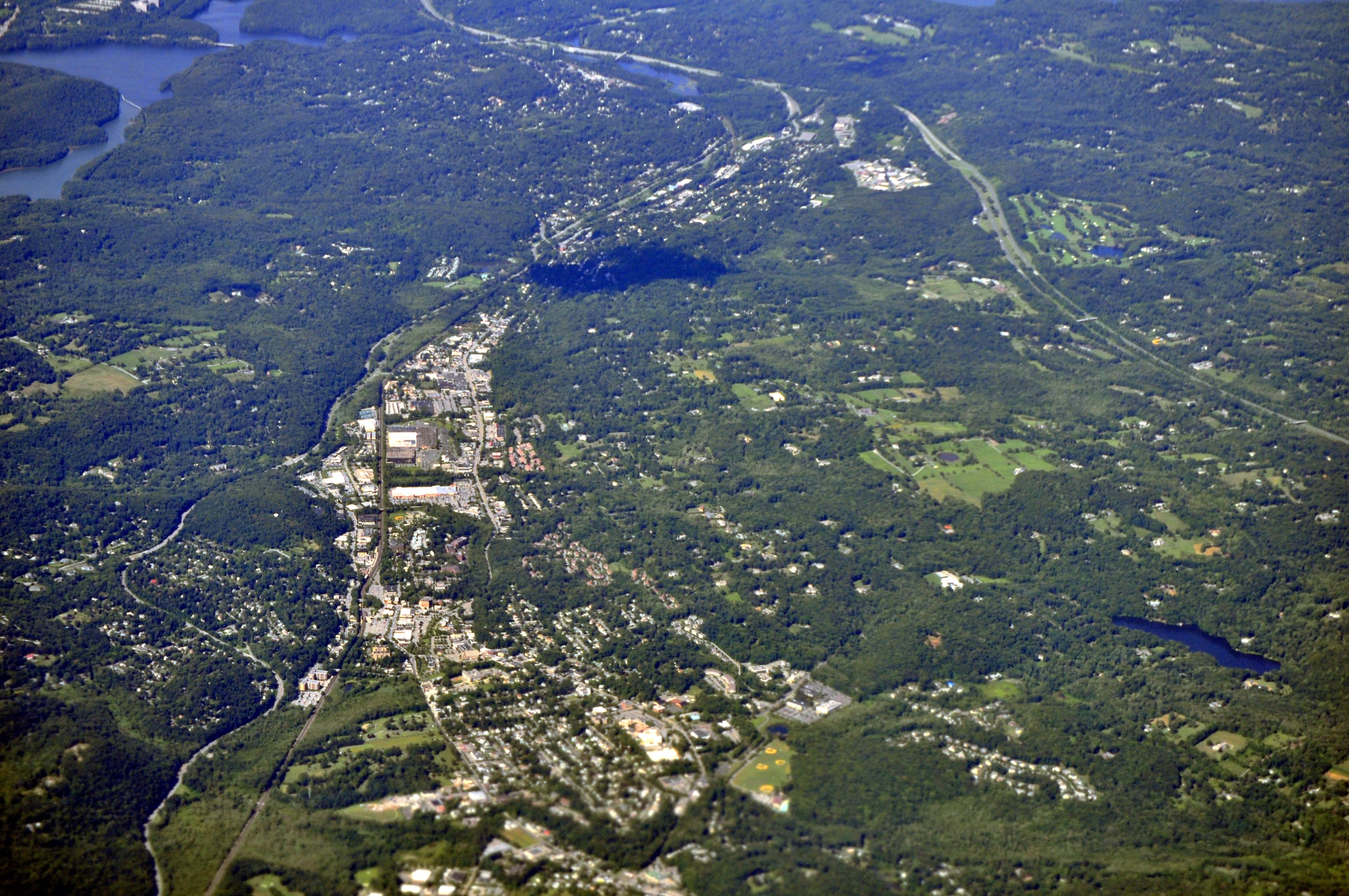
His wife and five children were murdered at Birkenau. A righteous Slovak Christian, Julius Natali, found him and hid him until liberation. Weissmandl wept day and night for the rest of his life. He also rebuilt his father-in-law’s yeshiva on a farm in Mount Kisco, New York, where he died in 1957. It still teaches today. He could not save them. He did not abandon them. The unresolved space between rescue and grief is the lesson.
For Educators
Lesson Foundation
Three orienting framings (Before You Begin), then the driving question and grade-band objectives. Read these before opening the lesson; they shape every decision the four steps make. Grounded in USHMM Guidelines for Teaching About the Holocaust, Yad Vashem’s educational principles, and trauma-informed practice for sensitive history.
What this lesson offers that other resources do not
The 90-second compression is an engagement scaffold, not a substitute for depth. It solves the attention-span barrier without sacrificing gravity, and turns the film into a hook that demands extension. The tiered lesson plan is where the depth lives: the mechanics of the Working Group, the ethics of negotiating with the SS, the discipline of documented outcome versus contested cause. The one-person, one-act spine gives students a named individual to stand inside, instead of macro-historical statistics.
One person, one act, set against the loss he could not prevent
The Microshort Stories series teaches Holocaust history through the lens of one named person, one specific act, moving away from the macro-statistical “six million” treatment toward what individuals chose under impossible conditions and what their choices cost. In this episode, the spine holds two truths at once: Weissmandl helped save thousands of strangers, and he could not save his own wife and five children. Students examine rescue at scale and intimate failure without letting either one erase the other.
What the production technique actually is, and why
Animation is a pedagogical choice, not a shortcut. The Microshort Stories films use restrained, stylized 3D animation to let students engage difficult history without graphic archival imagery or perpetrator-framed footage. The goal is not to make the Holocaust feel easier or entertaining; it is to make accurate, teacher-guided inquiry possible without sensationalizing suffering.
The films are not AI-generated. They are authored through a human 3D animation process by Elaion Studio: storyboarded, modeled, staged, lit, animated, reviewed, and revised against historical research and visual-reference materials.
In this episode specifically, animation lets the murder of Weissmandl’s wife and five children be carried entirely through absence. Silhouettes, an empty rail, a sealed door and a distant gate do the work. Faces are never modeled and the wife’s name is never spoken. The archival weight lives in the record: the recorded testimony of the last surviving Working Group member and of the rescuer’s children.
What does rescue mean when a person can save thousands of strangers and still cannot save the few he loves most? How do we tell that story honestly?
Weissmandl helped stop the trains for two years and could not stop the one carrying his own family. The same intellect built both the rescue and the wire in the loaf of bread. The question this lesson sits with is what rescue is worth when it fails the people closest to us, and what discipline honest history requires when an outcome is documented but its cause is not.
By the end of this lesson, students will be able to:
- Define the terms Working Group, transit camp, Righteous Among the Nations, and upstander, and describe, in their own words, how the Bratislava Working Group tried to protect Slovak Jews.
- Identify two specific things Weissmandl did to help others, and recall one thing he could not do.
- Construct a short paragraph or letter (1–2 paragraphs) from the perspective of a stranger to whom Weissmandl handed a saw at the Sered transit camp.
Verbs are drawn from Bloom’s Revised Taxonomy. Vague mental-state verbs (understand, appreciate, feel) are deliberately avoided.
By the end of this lesson, students will be able to:
- Analyze how the Bratislava Working Group operated through bribery, forgery, and stalling, and identify the shared leadership of Gisi Fleischmann (who led) and Weissmandl (chief strategist).
- Explain the difference between a documented outcome (the trains stopped for two years) and a contested cause (whether the bribery produced that pause).
- Construct a 150–200-word argumentative paragraph (MEAL structure) on the meaning of “He could not save them; he did not abandon them,” supported by evidence from the story and historical context.
By the end of this lesson, students will be able to:
- Evaluate the moral weight of negotiating with a mass-murdering SS officer to buy time. Treat it as compromise under duress rather than partnership, and resist resolving it into simple approval or condemnation.
- Compare resistance by diplomacy, forgery, and ingenuity with armed resistance and with other rescue efforts (Denmark, the Kladovo transport, Le Chambon), identifying what range of choices was available under Nazi-aligned rule.
- Construct a 350–450-word analytical essay on the discipline of documented outcome versus contested cause, and on the reliability of a history built on the memory of a few surviving witnesses.
Watch
The pre-viewing activities below are differentiated by grade band. Use them to build context, activate prior knowledge, and frame student thinking before the film. Then show the 90-second microshort.
Grades 7–8 · Vocabulary Preview
- The Bratislava Working Group
- A secret Jewish–Christian rescue network in wartime Slovakia that tried to stop Jews from being deported to Nazi camps. It was led by Gisi Fleischmann; Weissmandl was its chief strategist.
- Transit Camp
- A holding camp where people were gathered before being deported by train to concentration and extermination camps. In Slovakia, the main one was at Sered.
- Deportation
- The forced removal of people from their homes. They were packed onto trains and sent to camps, usually to be murdered.
- Righteous Among the Nations
- An honor given to non-Jewish people who risked their lives to save Jews during the Holocaust. Julius Natali, who hid Weissmandl, is remembered as one such rescuer.
- Upstander
- Someone who acts to help others in danger, instead of standing by. The Working Group and Julius Natali were upstanders.
Anticipation Question
Can someone be a hero even if they could not save everyone? What if the people they could not save were the ones they loved most? What does it mean to “do everything you can” when you still cannot fix everything? Write two or three sentences before we watch. The question is not whether Weissmandl succeeded. The question is what he chose to do with what he had.
Grades 9–10 · Historical Context
The First Slovak Republic was a state aligned with Nazi Germany. By 1942 it had begun deporting its Jewish population to Auschwitz. In response, a clandestine rescue network formed in Bratislava: the Working Group. Led by Gisi Fleischmann, with Weissmandl as its chief strategist, it tried to buy time and lives by any means it could invent.
Its methods were not military. The Group bribed an SS officer with tens of thousands of dollars and forged letters from a Swiss official who did not exist, to make it appear that international Jewish organizations were watching and paying. For nearly two years, the deportation trains from Slovakia stopped. That is a documented outcome whose cause historians still debate. This was resistance by intellect, nerve, and forgery, from inside a system the Group could not overthrow.
The film is titled The Weissmandl Rescues. The word is plural. But it also tells us he could not save his own family. What might it mean to call someone a rescuer whose rescue failed the people closest to him? Is that a contradiction, or something more complex?
Grades 11–12 · The Record and Its Discipline
The Working Group’s boldest gambit was the so-called ransom negotiation: a bribe of tens of thousands of dollars to an SS officer, accompanied by forged letters in the name of a fictitious Swiss official. For nearly two years, the deportation trains from Slovakia stopped.
Beyond Slovakia, Weissmandl drafted broader rescue proposals and sent urgent warnings. The historical record includes an appeal to bomb the rail lines to Auschwitz. Those appeals reached the West and went unanswered. This material is real and citable, but it was deliberately cut from the 90-second film. Use it as background on the free world’s inaction, not as something the video depicts.
When an outcome is documented but its cause is contested, what does intellectual honesty require of a filmmaker? What does it require of you? What is risked by collapsing “the trains stopped” into “the bribe stopped the trains”? Come prepared to defend your interpretation after viewing.
Analyze
These discussion and analysis activities develop close reading and media-literacy skills. Use small groups or whole-class discussion formats as appropriate.
Grades 7–8 · Comprehension Questions
- Who was Rabbi Weissmandl? Where was he from, and what was he known for before the war?
- What was the Bratislava Working Group trying to do? Who led it, and what was Weissmandl’s role?
- Name two things Weissmandl did to help other people. One should be for strangers and one for his own family.
- What happened to his wife and five children? Who helped Weissmandl survive after he escaped?
Visual Storytelling
- The film shows the empty rail again and again. What does an empty train track make you feel? Why might the filmmakers return to it?
- We never see the faces of Weissmandl’s wife and children. We see only shadows and silhouettes. Why do you think the filmmakers chose to show the family that way?
- The film is only 90 seconds. Did it feel complete? What did the filmmakers choose to leave out?
Grades 9–10 · Text-Dependent Analysis
- The final narration describes bribery and forged letters as “putting a stop to deportations from Slovakia for two years.” What cause does this wording assert? Distinguish that film claim from the documented pause and the historical dispute over its cause. What additional evidence would help evaluate the claim?
- The story shares leadership: Gisi Fleischmann led the Working Group; Weissmandl was its chief strategist. Why does it matter that the film keeps her name and her leadership visible?
- Identify one filmmaking choice from the empty rails, the wire in the bread, the sealed door, or the single figure who goes alone, and explain how it makes the film’s argument.
- The film renders the family’s murder through absence rather than depiction. What is gained by that restraint? What might be lost?
Historical Sourcing
- How do we know what happened inside the Working Group and the cattle car? What kinds of sources would historians rely on? (Consider that Andrei Steiner, the last surviving member, was recorded at age 101.)
- Julius Natali is named as a righteous Slovak Christian who hid Weissmandl. Why does naming the rescuer rather than leaving him anonymous matter historically?
- What does the film leave unanswered that you would want to investigate further?
Grades 11–12 · Rhetorical & Ethical Analysis
- The Working Group bribed a mass-murdering SS officer to buy time. Was that compromise a form of resistance, a form of complicity, or both? Analyze how the story holds that tension without resolving it into approval or condemnation.
- Analyze the distinction between documented outcome and contested cause. The final film asserts a causal connection; historians dispute why the trains stopped. How should an evidence-based response represent both the film’s claim and the dispute?
- Compare Weissmandl’s resistance-by-diplomacy with other documented responses such as Denmark’s 1943 rescue, the armed revolt in the Warsaw Ghetto, and the villagers of Le Chambon-sur-Lignon. What does the comparison reveal about the range of choices available under Nazi-aligned rule?
Teacher note: If students do not surface the concept of the free world’s inaction organically, introduce the background here. Weissmandl’s appeals, including the plea to bomb the rail lines to Auschwitz, reached the West and went unanswered. Note that this is real history but was deliberately cut from the 90-second film.
Historiographic Questions
- Weissmandl is a controversial figure. Some quarters revere him and others question him. Professor Yehuda Bauer, notably, was reluctant to credit an Orthodox Slovak rabbi as the strategic mind of the effort. What is at stake in who gets credited as a “strategist” of rescue?
- Much of what we know rests on the testimony of a few survivors, who sometimes disagree on detail. The number of people in the bunker, for instance, is unresolved. How should historians handle a record built on scarce, sometimes-conflicting memory?
- What are the risks of over-claiming Weissmandl’s role? What are the risks of under-claiming it? How does the discipline of outcome-versus-cause protect against both?
Create
Students respond to the film through structured creative or analytical writing. Each grade band offers a focused prompt. Allow 20–25 minutes for the core activity, or assign as homework for a longer response.
Grades 7–8 · Letter Writing
Imagine you are one of the strangers at the Sered transit camp. A rabbi you have never met presses a small saw into your hand and quietly teaches you how to cut through the lock of a cattle car. Write a short letter to a family member describing this moment. Your letter should include:
- What has happened to you and the people around you.
- What you felt when the stranger handed you the saw and what he told you.
- What you hope for and what still frightens you.
Write 1–2 paragraphs. Try to capture both the fear and the small, stubborn hope of that moment.
Single-Point Rubric · Letter (Grades 7–8)
One standard per trait. The center column names what meeting the standard looks like; use the right column to note where a student can grow. A student-facing copy appears in the printed handout.
| Criteria | Evidence of meeting the standard | Area to grow |
|---|---|---|
| Historical accuracy | The letter reflects true details of the Sered transit camp and Weissmandl’s act (the saw, the danger) without inventing events that did not happen. | |
| Perspective & empathy | Writes convincingly from the stranger’s point of view, showing both fear and a small, stubborn hope. | |
| Letter conventions & voice | Uses a clear letter format (greeting, body, close), organized sentences, and a consistent personal voice. |
Grades 9–10 · Argumentative Paragraph (MEAL Format)
The story frames Weissmandl with one sentence: he could not save them; he did not abandon them. He begged his wife and five children to jump from the cattle car and jumped, but they did not jump. His family did not jump. Write one well-developed argumentative paragraph using the MEAL structure (Main claim, Evidence, Analysis, Link back to claim) that answers the following question:
What does the sentence “He could not save them; he did not abandon them” mean, and does the historical record support it? Make a claim and support it with specific evidence from the story and its context (the saws at Sered, the wire in the bread, begging them to jump before he jumped, the murder at Birkenau, the rebuilt yeshiva).
Your paragraph should be 150–200 words. Underline your main claim sentence. Circle your evidence.
Single-Point Rubric · MEAL Paragraph (Grades 9–10)
One standard per trait. The center column names what meeting the standard looks like; use the right column to note where a student can grow. A student-facing copy appears in the printed handout.
| Criteria | Evidence of meeting the standard | Area to grow |
|---|---|---|
| Main claim | States one clear, arguable claim about “he could not save them; he did not abandon them.” | |
| Evidence | Supports the claim with specific detail from the film or record (saws at Sered, wire in the bread, jumping first, Birkenau, the rebuilt yeshiva). | |
| Analysis | Explains how the evidence supports the claim and distinguishes the documented outcome from the contested cause. | |
| MEAL structure | Follows Main claim → Evidence → Analysis → Link, with the link returning to the claim. | |
| Historical accuracy | All names, dates, and events are accurate; Fleischmann’s leadership is not collapsed into Weissmandl. |
Grades 11–12 · Analytical Essay · Documented Outcome and Contested Cause
Using Weissmandl and the Bratislava Working Group as a case study, write an analytical essay (2–3 paragraphs, 350–450 words) that addresses the following:
What does Weissmandl’s case teach about the moral weight of negotiating with a mass murderer to buy time, and about the discipline of stating a documented outcome without claiming a contested cause? When is rescue at scale a sufficient answer to the loss it could not prevent? When is the honest answer “we do not know”?
Your essay should make a clear argumentative claim; use specific evidence from the record (the shared leadership with Gisi Fleischmann, the bribe and the forged letters, the two-year pause, the escape and the murders); name what would make your essay fail ethically (sentimentality, or over-claiming what the record will not bear); and arrive at a conclusion that speaks to how we tell contested histories responsibly.
Single-Point Rubric · Analytical Essay (Grades 11–12)
One standard per trait. The center column names what meeting the standard looks like; use the right column to note where a student can grow. A student-facing copy appears in the printed handout.
| Criteria | Evidence of meeting the standard | Area to grow |
|---|---|---|
| Thesis / argument | Advances a defensible interpretive claim about the moral weight of the rescue and the discipline of contested causation. | |
| Evidence | Marshals specific, accurate evidence (shared leadership with Fleischmann, the bribe and forged letters, the two-year pause, the escape and murders). | |
| Analysis & evaluation | Evaluates competing causal explanations for the pause and judges what the record can and cannot support; addresses a counterclaim. | |
| Historiographic awareness | Names what is contested and uncertain, including scholarly disagreement (e.g., Bauer), the unresolved bunker count, and a history built on scarce testimony. | |
| Historical accuracy | All facts, names, and dates are correct; no invented certainty and no over-claiming beyond the record. |
Reflect
These closing activities help students consolidate their thinking, make personal connections, and carry the lesson’s meaning beyond the classroom. Allow 8–12 minutes. For the 7–8 and 9–10 reflections, keep the frame honest: rescue here means using whatever a person has, not solving everything. “I’m not sure yet” is an acceptable answer. (The 11–12 reflection is deliberately left open-ended. Its task is rigorous attention, not a tidy resolution.)
Grades 7–8 · One-Sentence Takeaway
Write the single most important thing you are taking away from this lesson in one complete sentence. Then answer: Can someone be a hero even if they could not save everyone? What does it mean to do the right thing when your power is limited?
Complete all three on a notecard or in your journal:
- The most important thing I’m taking from this story is: ___
- Can someone be a hero even if they couldn’t save everyone? My answer is: ___
- One small thing I could do to help someone, even when I can’t fix everything, is: ___ (Limited power, not solving everything. “I’m not sure yet” is an acceptable answer.)
Grades 9–10 · Sentence Frame Reflection
Complete the following sentence frame as a written reflection. You may write as many sentences as you need to complete each thought. The frame is a starting point, not a limit. Be specific. The strongest reflections name something particular they learned, not just general impressions.
“This story complicated my understanding of rescue because ___. I used to think rescue meant ___. Now I realize it can also mean ___. One thing I want to remember about how Weissmandl acted toward his family is ___. (Limited power, not solving everything. ‘I’m not sure yet’ is an acceptable answer.)”
Share your reflection with a partner. Where do your reflections overlap? Where do they diverge? What might explain the difference?
Grades 11–12 · Open-Ended Reflection on Rescue, Grief, and the Limits of the Record
Weissmandl helped stop the trains for two years and could not stop the one carrying his own family. The record documents the outcome but disputes the cause; much of what we know rests on the memory of a few witnesses; the family’s murder is carried through absence, not depiction.
Write a sustained reflection (one page) on the following question:
This is a story of rescue at scale and intimate failure, of documented outcome and contested cause. What do we owe it? Is rescue that fails the people closest to us diminished, or does it stand on its own terms? And what does the honest answer ask of us, as people who engage with a history built on scarce testimony and unresolved questions?
There is no single right answer. The goal is to think rigorously and honestly about the relationship between what is documented, what is remembered, and what remains unresolved.
“He could not save them. The yeshiva still teaches.”Michoel Ber Weissmandl · b. 1903, Debrecen · d. 1957, Mount Kisco
Extension Activities
These activities are designed for students who want to go further in research, in creative production, or in interdisciplinary analysis. Suitable for homework, independent projects, or honors-level coursework.
Grades 7–8 · Research Project · The Righteous Among the Nations
Julius Natali was a righteous Slovak Christian who risked his life to hide Weissmandl until liberation. Research one other person honored as Righteous Among the Nations, such as Irena Sendler in Poland, the village of Le Chambon-sur-Lignon in France, or Chiune Sugihara in Lithuania. Your research should include:
- Who was protected, and by whom.
- What the rescuer did, and what risks they took.
- What the outcome was.
Create a comparison poster or slide that places your example alongside Julius Natali’s. What do these rescuers have in common? What does each tell us about the forms courage can take?
Grades 9–10 · Research Essay · Jewish Resistance and Rescue
⏱ SCOPE
This is a multi-day research project, not a single-period extension. Plan for at least 3 class periods plus homework time.
Jewish resistance during the Holocaust took many forms beyond armed revolt. It included smuggling, forgery, ransom negotiation, spiritual resistance, and the preservation of testimony. Research one example of Jewish resistance or rescue and situate it alongside the Bratislava Working Group. Options include:
- The Warsaw Ghetto Uprising of 1943, which mounted armed resistance under impossible odds.
- The Oneg Shabbat / Ringelblum Archive, which secretly documented the Warsaw Ghetto.
- The Aktion Group / partisan units in the forests of Lithuania and Belarus.
- The Zionist youth couriers who carried warnings and forged papers across borders.
- The Europa Plan, which was the Working Group’s broader proposal to ransom European Jewry.
Write a 1-page summary of what happened and how this form of resistance compares to the Working Group’s diplomacy-and-forgery approach. What does each reveal about agency under genocide?
Grades 11–12 · Historiographic Essay · The Free World’s Inaction
Weissmandl was among the earliest to receive and relay detailed intelligence about Auschwitz, and among the loudest to demand a response. His demands included the appeal to bomb the rail lines to the camp. These appeals went largely unanswered. Key sources and debates include:
- Abraham Fuchs, The Unheeded Cry, which gives the primary account of the wire-saw distribution and the rescue appeals.
- The Auschwitz Protocols (the Vrba–Wetzler report) and the question of what the Allies knew and when.
- The long-running debate over whether the Allies could and should have bombed the rail lines or the camp.
- David Wyman, The Abandonment of the Jews, which remains the foundational study of American inaction.
- Yehuda Bauer’s more skeptical assessment of the ransom-negotiation strategy and of Weissmandl’s role.
Write a 2-page historiographic essay examining how scholars interpret the free world’s response to warnings like Weissmandl’s. What accounts for the disagreements? What does the debate teach us about responsibility, hindsight, and the limits of what rescuers inside the genocide could achieve without help from outside it? (Note: this material is background to the episode. It was deliberately cut from the 90-second film.)
Facilitation Notes
Practical notes on managing the lesson’s emotional and intellectual weight. The pedagogical center is one that will not resolve into a tidy moral: Weissmandl helped save thousands of strangers and could not save his own wife and five children. Your job is to keep both halves visible at once. The unresolved space between rescue and grief is the lesson.
A 60-second regulation routine
Before the film: a brief check-in. “In the next ninety seconds you will meet a man who helped save many people and could not save his own family. You may have strong feelings as you watch. That is appropriate. You are not required to share them. At any moment you can step into the hall and come back when you are ready.” Naming the option out loud lowers the anxiety of needing it.
After the film: 30 seconds of silence before any discussion. Then ask a single low-stakes question. “Name one image you remember.” This converts emotional intensity into observable detail and gives every student a way back into language. The family’s murder is carried through absence and silence, never graphic detail; not knowing what to feel is permitted.
If a student says: “Weissmandl led the Working Group.”
Gisi Fleischmann led the Bratislava Working Group; Weissmandl was its chief strategist. She is not a footnote. The credit is shared. Gently correct the slip into the “great man” story every time it appears, and keep her name and her leadership in the room. Note the spelling: Fleischmann.
If a student says: “The bribe stopped the trains.”
This is contested. The Group bribed an SS officer, forged letters, and stalled; the two-year pause is the documented outcome, but historians dispute whether the bribery caused it. Redirect from cause to outcome, and name the historians’ dispute out loud. A student who wants a verdict on whether the bribe “worked” should be steered back to what is documented and what remains unknown.
If a student says: “He abandoned his family by jumping.”
Use the final narration’s actual wording: “He begged his wife and children to jump with him. Then he jumped. But no one else jumped.” This supports discussion of what happened. It does not state why his family did not jump or explain his intention. Distinguish those inferences from the recorded words.
If a student reframes the bribe as collaboration, or the officer as a partner
The SS officer was a mass murderer. He was the target of the bribe, not a partner. Bribing him was compromise under duress, not friendship or approval. Surface that clearly, and hold the moral complexity rather than resolving it into either condemnation or endorsement. Students can question the strategy while honoring the people who risked everything. Critiquing a choice is not condemning a person.
If a student says: “The free world didn’t know.”
The Auschwitz Protocols and Weissmandl’s appeals reached the West and went largely unanswered. Those appeals included the plea to bomb the rail lines. This is real, citable history, but it was deliberately cut from the 90-second film. Use it as background on the bystander problem, not as something the video depicts.
Both/and, name the unknown, steer past scale collapse
Both/and, not either/or. When a student lands on “hero” or “he failed,” ask: “What is the other true thing that has to sit next to that?” Name what we don’t know. The record is contested on whether the bribe caused the pause and on how many hid in the bunker. Name that uncertainty as part of the honest answer, not a gap to paper over.
Steer past scale collapse. If a student maps “negotiating with the enemy” onto an everyday situation, ask: “What constraint of his does your example share? What is different about occupation and genocide?” And validate uncertainty: on whether the bribe was right or whether it worked, “I’m not sure yet” is a legitimate answer in the 7–8 and 9–10 reflections. Don’t pressure a verdict.
Class period guidance
45-minute single period: Vocabulary/anticipation (8 min) · View film twice (4 min) · Comprehension & analysis discussion (20 min) · Create activity intro (5 min, finish for homework) · Reflect exit prompt (5 min) · Buffer (3 min).
90-minute block or two-day split: Add the Working Group timeline and the free-world-inaction background for 11–12; add the comparison conversation on forms of resistance; allow more time for the Create activity in-class; add extension assignments. The discussion will naturally expand to fill the time you give it.
The same pacing the printed lesson plans use
| Time | Segment | What happens |
|---|---|---|
| 0–3 min | Affective check-in | Name the weight aloud; state the step-away option; 60-second regulation routine before pressing play. |
| 3–11 min | Before viewing | Vocabulary preview (7–8) or historical context / the record and its discipline (9–12); anticipation or prediction prompt. |
| 11–15 min | Watch | Show the 90-second film twice, uninterrupted. 30 seconds of silence after. |
| 15–20 min | Re-entry | Ask the low-stakes prompt “name one image you remember,” then run the one-word check-in. |
| 20–35 min | Analyze | Text-dependent / rhetorical questions; foreground cause and effect and the documented-outcome-versus-contested-cause discipline. |
| 35–40 min | Create (launch) | Introduce the letter (7–8), MEAL paragraph (9–10), or essay (11–12); share the single-point rubric; begin, finish for homework. |
| 40–44 min | Retrieval & Reflect | 60-second retrieval (term match / order), then the sentence-frame or takeaway reflection. |
| 44–45 min | Grounding close | “You are here, now.” One breath; name the trusted-adult support. Do not force resolution. |
In a 90-minute block, expand Analyze and Create and add the extension activities; the segment order holds.
How this lesson honors the guidelines
- Avoid simple answers to complex history. The lesson holds the documented outcome (the trains stopped) apart from the contested cause (why), and keeps rescue-at-scale and intimate loss visible at once rather than resolving them.
- Do not romanticize. Weissmandl is presented as a real person under impossible constraint. Compromise with a mass murderer is named as compromise under duress, not heroism without cost, and his lifelong grief is not softened.
- Translate statistics into people; make no group of victims anonymous. Gisi Fleischmann’s leadership is named and stressed; Julius Natali the rescuer is named; the wife and five children are carried through absence, never as anonymous numbers.
- Contextualize; be sensitive to language. Contested terms such as rescue, resistance, collaboration, and complicity are examined rather than assumed, and the free world’s inaction is offered as background, not spectacle.
Full Standards Alignment
The lesson aligns to Common Core ELA, C3 Social Studies, multiple state frameworks (Florida B.E.S.T., Texas TEKS, California HSS), CASEL SEL, and the New York Dignity for All Students Act (DASA). The at-a-glance matrix lists every code; the grade-banded crosswalks below convert each code into what it requires and where this lesson meets it. Episode 6 foregrounds cause and effect and the evaluation of contested causation. The trains stopped for two years (documented outcome) while historians dispute why (contested cause).
At a glance · all codes| Framework | Grades 7–8 | Grades 9–10 | Grades 11–12 |
|---|---|---|---|
| Common Core ELA | RI.7.1, RI.7.2, RI.7.6, W.7.2, SL.7.1 | RI.9-10.1, RI.9-10.4, RI.9-10.6, W.9-10.1, SL.9-10.1 | RI.11-12.1, RI.11-12.5, RI.11-12.6, W.11-12.1, W.11-12.2, SL.11-12.1 |
| C3 Social Studies | D2.His.1.6-8, D2.His.3.6-8, D2.His.14.6-8 | D2.His.1.9-12, D2.His.3.9-12, D2.His.14.9-12, D2.His.16.9-12 | D2.His.1.9-12, D2.His.3.9-12, D2.His.14.9-12, D2.His.16.9-12, D4.1.9-12 |
| Florida B.E.S.T. | ELA.7.R.2.1, ELA.7.R.3.2, ELA.7.C.1.3 | ELA.910.R.2.1, ELA.910.R.3.2, ELA.910.C.1.3; SS.912.W.7.6 | ELA.1112.R.2.1, ELA.1112.R.3.2, ELA.1112.C.1.3; SS.912.W.7.6 |
| Texas TEKS | ELAR 7.6(A), 7.8(A), 7.10(A) | ELAR 9.6(A), 9.8(A); WH.15(A–D) | ELAR 11.6(A), 11.8(A); WH.15(A–D) |
| California HSS | 7.10 | 10.8.1–10.8.6 | 11.7 |
| CASEL SEL | Self-awareness, Social awareness | + Responsible decision-making | All five competencies |
| DASA (NY) | Upstander behavior, interfaith solidarity, rescue and resistance under persecution | ||
Standards Crosswalk · what each code requires, and where this lesson meets it
Grades 7–8 Crosswalk
| Code | What it requires | Where this lesson meets it |
|---|---|---|
| RI.7.1 | Cite textual evidence to support analysis of what a text says explicitly and inferentially. | Students name two things Weissmandl did to help others and one he could not do, citing the film and context. |
| RI.7.3 | Analyze the interactions between individuals, events, and ideas, tracing how one influences another through cause and effect. | Students trace the chain: bribe and forged letters → trains stop for two years, and distinguish that the pause is documented while the cause is disputed. |
| W.7.3 | Write narratives using effective technique, relevant detail, and clear sequences. | The letter-writing task from the perspective of a stranger handed a saw at Sered. |
| SL.7.1 | Engage effectively in collaborative discussions, building on others’ ideas. | The “can someone be a hero if they could not save everyone?” discussion and the term-match quick check. |
| D2.His.14.6-8 | Explain multiple causes and effects of events and developments in the past. | Students separate what caused what (bribe → pause) from what is only known as an outcome. This is a first, concrete encounter with contested causation. |
Grades 9–10 Crosswalk
| Code | What it requires | Where this lesson meets it |
|---|---|---|
| RI.9-10.1 | Cite strong and thorough textual evidence, including where the text leaves matters uncertain. | Students support the MEAL paragraph with specific evidence (saws at Sered, wire in the bread, jumping first) and note where the record is uncertain. |
| RI.9-10.3 | Analyze how the author unfolds a series of ideas or events, including connections drawn between them (cause/effect). | Students analyze how the final narration connects bribery and forged letters to the pause, and evaluate the effect of that causal wording while acknowledging the historical dispute. |
| W.9-10.1 | Write arguments with a clear claim, valid reasoning, and relevant evidence. | The 150–200-word MEAL paragraph on “he could not save them; he did not abandon them.” |
| D2.His.14.9-12 | Analyze multiple and complex causes and effects of events in the past. | Students weigh bribery, forgery, and stalling as overlapping possible causes of a single documented effect (the two-year pause). |
| D2.His.16.9-12 | Integrate evidence from multiple sources while noting disagreements. | Students consider how we know the story (Andrei Steiner recorded at 101; Natali’s children) and that testimony can conflict. |
Grades 11–12 Crosswalk
Episode 6’s 11–12 alignment centers on evaluating contested causation and historiographic judgment. That is distinct from Episode 5’s focus on analyzing conflicting primary accounts and testimony reliability.
| Code | What it requires | Where this lesson meets it |
|---|---|---|
| RI.11-12.1 | Cite evidence to support analysis, including determining where the text leaves matters uncertain. | The essay must state the documented outcome and explicitly mark the causal claim the evidence will not bear. |
| RI.11-12.3 | Analyze a complex set of ideas or events and explain how they interact and develop (cause and effect). | Students evaluate competing causal explanations for the two-year pause and judge which the record can and cannot support. |
| RI.11-12.6 | Determine an author’s point of view and analyze how rhetoric advances it. | Students analyze how the final narration’s causal wording frames the rescue effort, while distinguishing that assertion from the disputed historical explanation. |
| W.11-12.1 | Write arguments that establish the significance of a claim and address counterclaims. | The 350–450-word essay defends an interpretation of contested causation and names its own danger (sentimentality, over-claiming). |
| D2.His.14.9-12 / D2.His.16.9-12 | Analyze complex causes and effects; evaluate the strengths and limitations of the historical record. | Students evaluate whether the bribery caused the pause, weighing scholarly disagreement (e.g., Bauer) and a record built on scarce testimony. |
| D4.1.9-12 | Construct arguments using precise claims and evaluate the credibility of sources. | Students judge how much weight a contested causal claim can carry and defend a disciplined conclusion. |
State Holocaust Education Mandates
More than 25 states have enacted laws or regulations requiring Holocaust and genocide education in public schools, including Florida, Illinois, New Jersey, New York, Texas, and California. This lesson plan supports compliance with those mandates by providing age-appropriate source analysis, structured discussion, and writing tasks that address the Holocaust’s causes, course, and consequences. Those include Jewish resistance and rescue, the machinery of deportation in a Nazi-aligned state, and the response of the free world to warnings from within the genocide.
Sources & Further Reading
The Project Witness primary-interview archive holds recordings of Andrei Steiner (last surviving member of the Working Group, recorded at age 101), the children of Julius Natali, and the grandson of the Stropkov Rebbe (bunker eyewitness). Project Witness, In the Footsteps of the Giant: The Life and Leadership of Harav Michoel Ber Weissmandl (2019 documentary). Abraham Fuchs, The Unheeded Cry. USHMM Holocaust Encyclopedia (Weissmandl portrait, LCID 77484). Yad Vashem (the Bratislava Working Group; Jews who saved Jews in Slovakia). The Sereď Holocaust Museum (SNM); the Yeshiva of Nitra (yeshivaofnitra.org).