
The Sultan
Who Said No
You are not going to read this all at once. You will meet a person, a decree, a gesture, and a question — one at a time.
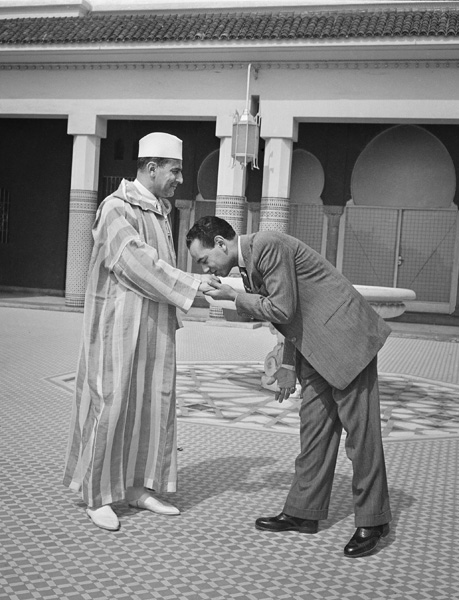
Know what the film holds before you press play.
The film is 90 seconds. It names real persecution under Vichy in Morocco — quotas, forced relocations, the search of a Jewish family’s home.
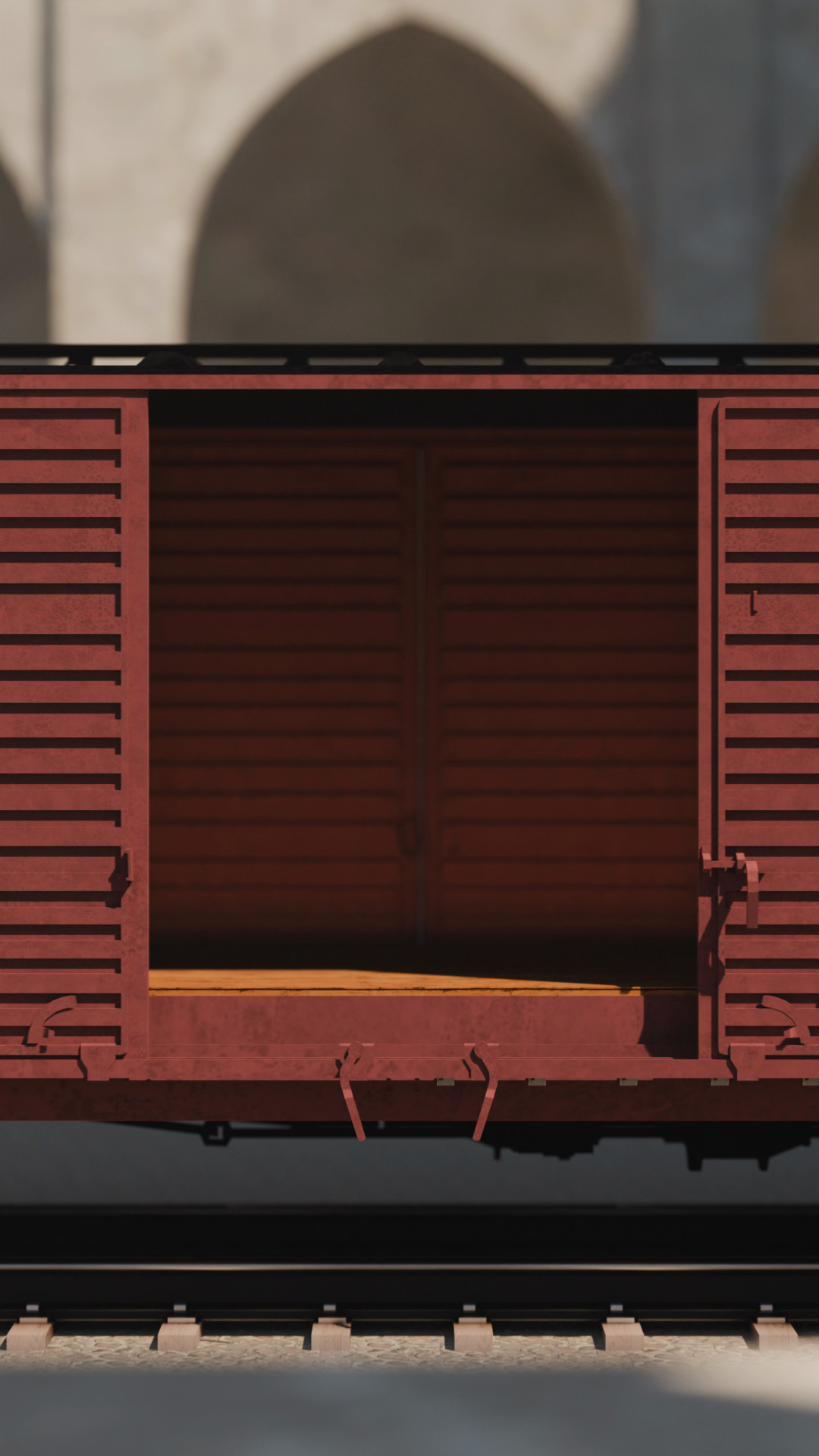
There is no violence on screen. The heaviest moments are conceptual: a royal seal that hovers above wax, an empty boxcar that stays empty, a signed decree that disappears beneath a stack of papers. If you need to step out, you can do that without explaining yourself.
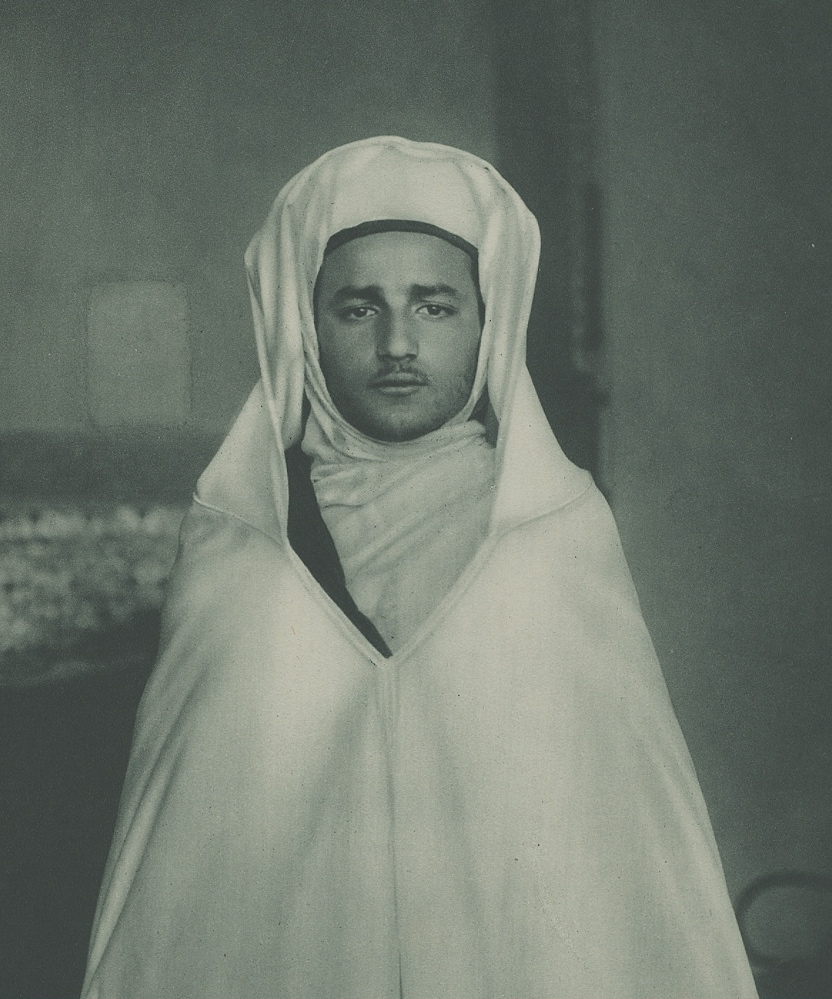
Sidi Mohammed ben Youssef. Born 1909. Sultan since 1927.
He was thirty-one years old when France fell to Nazi Germany in June 1940. Morocco is a French Protectorate — meaning France holds real authority, but the Sultan’s seal is constitutionally required to enact French law in Moroccan jurisdiction.
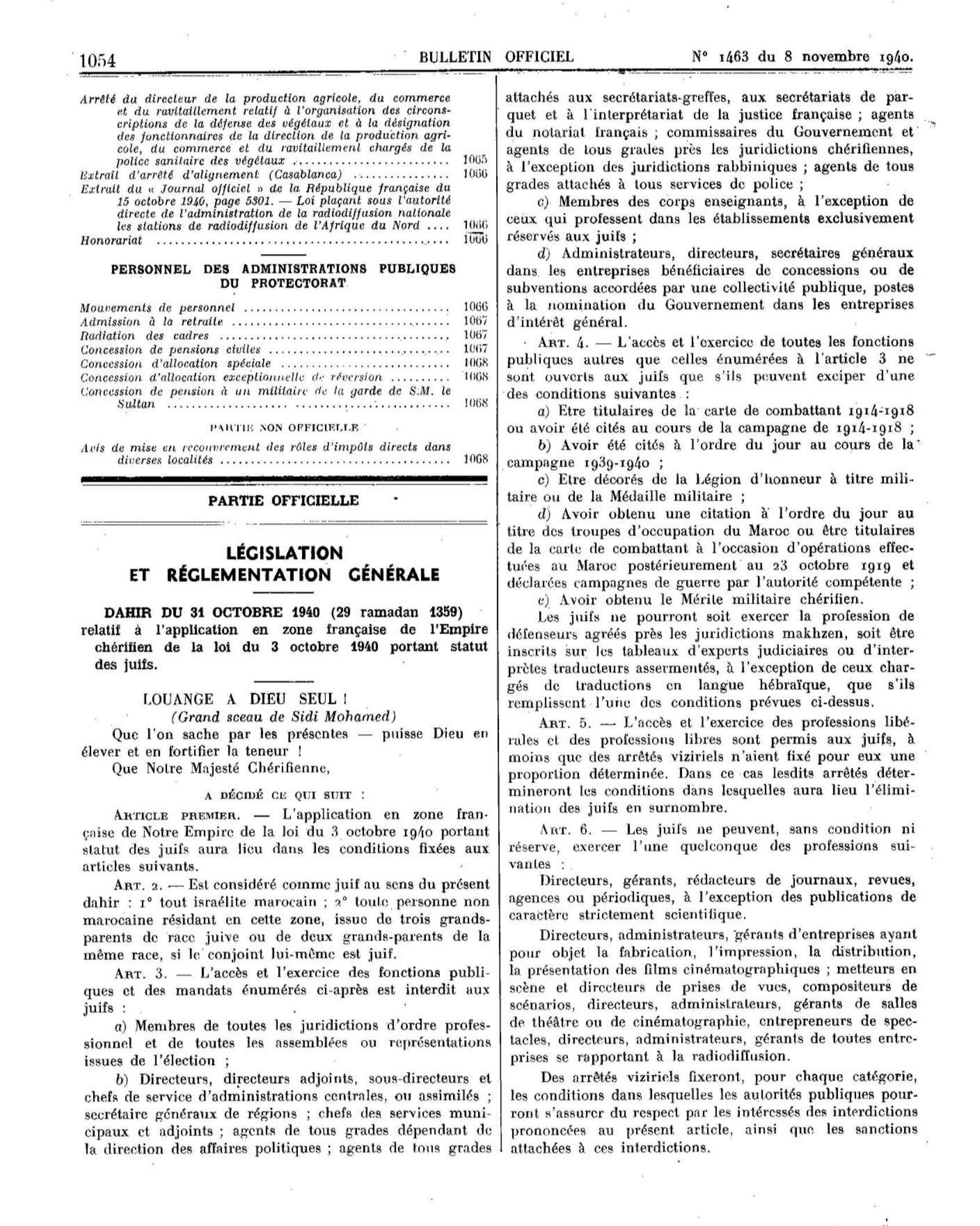
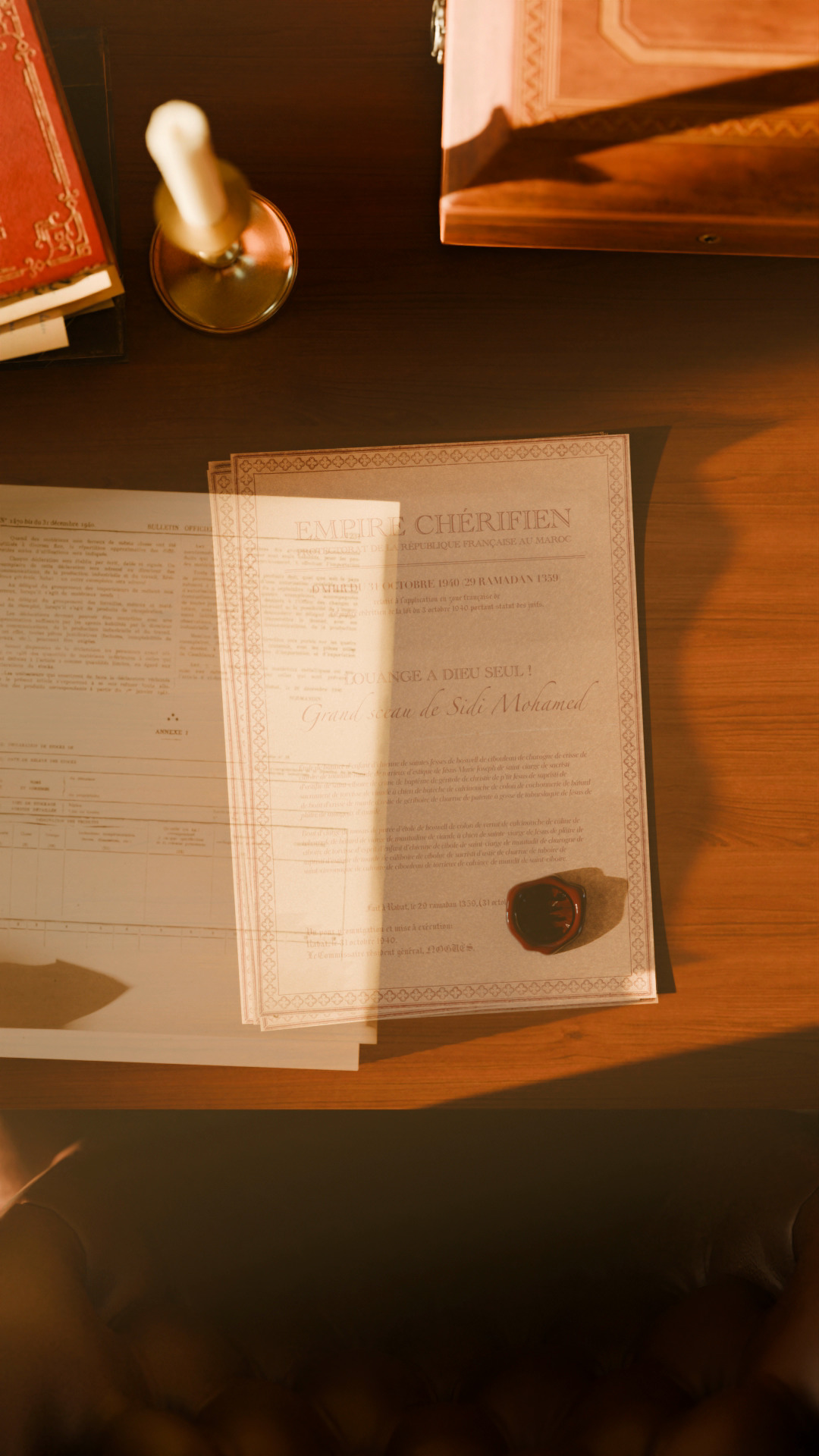
October 31, 1940. The Sultan affixes his Great Seal.
The decree opens, in the Sultan’s own formal voice, with the Islamic royal preamble:
“Louange à Dieu seul! … Que Notre Majesté Chérifienne A DÉCIDÉ CE QUI SUIT:”
— Praise to God alone! … Our Cherifian Majesty has decided as follows…
What follows that opening is a list of antisemitic provisions: quotas barring Jews from professions, restrictions on property, census obligations. The contrast between the religious preamble and the antisemitic content is on the page.
This video has the microshort's original audio. The Listen button above plays separate lesson narration.
Track three things as you watch.
- The royal seal that hovers in the opening shot, before it ever presses.
- The signed decree that disappears beneath a stack of papers in Beat 3D.
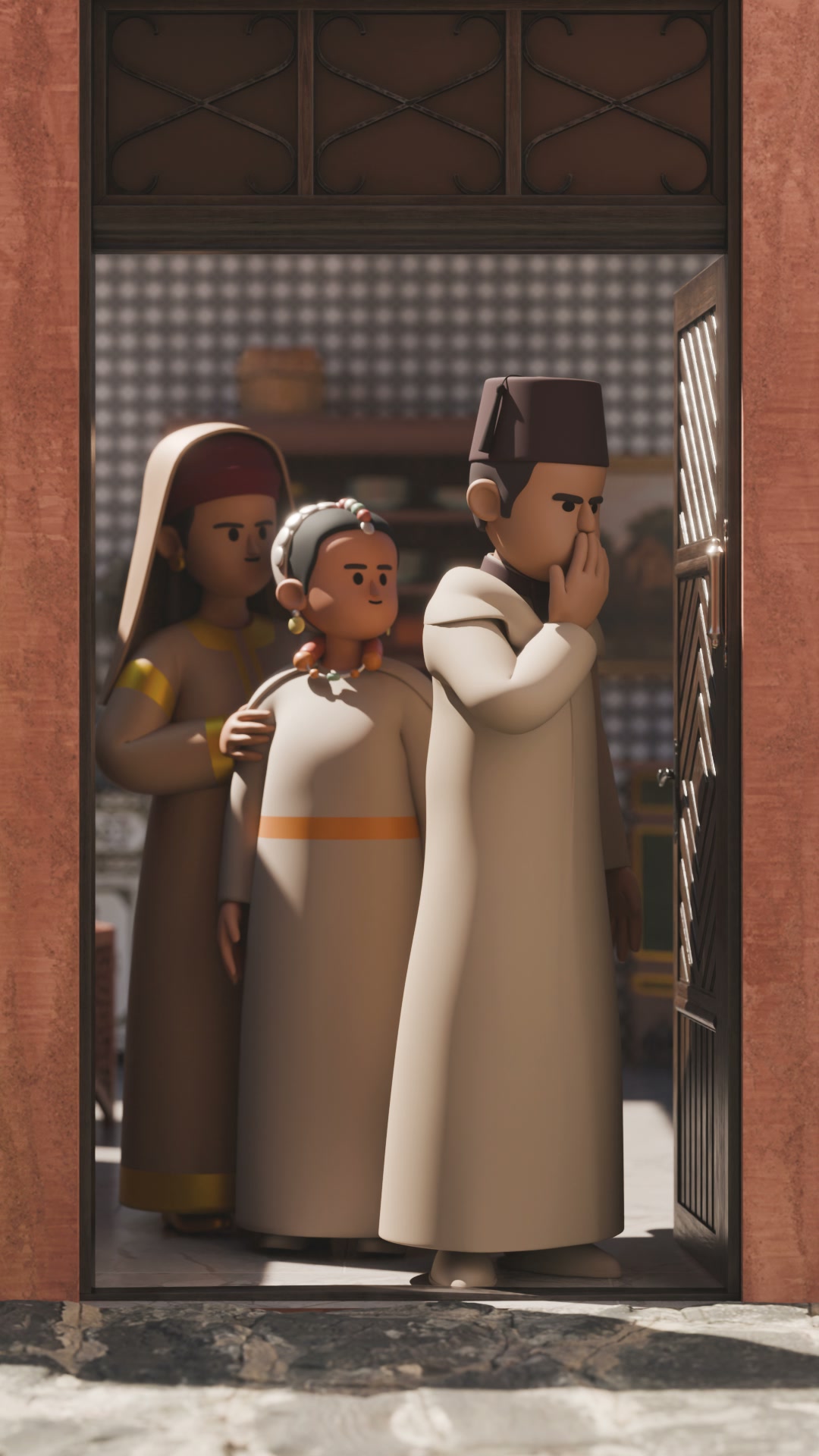
- The same mother and daughter who appear at the violated threshold in Beat 2, and walk unharmed into light in Beat 5.
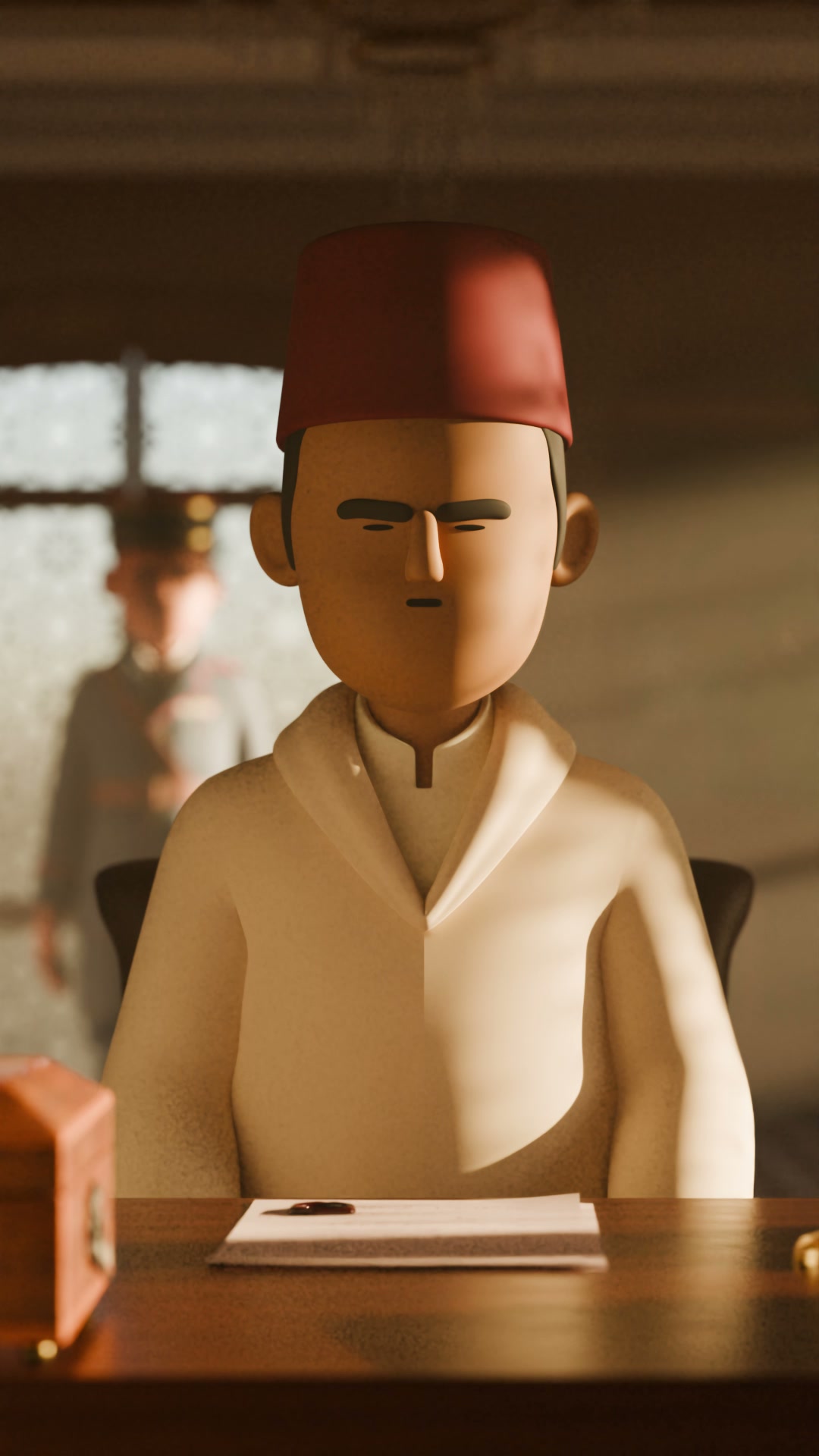
One word.
Before analysis, name what you are carrying. Not a thesis. Not a position. One word.
Three documented forms of resistance.
- Administrative delay. The Moroccan government slow-walked enforcement of Vichy provisions. Some were never fully executed.
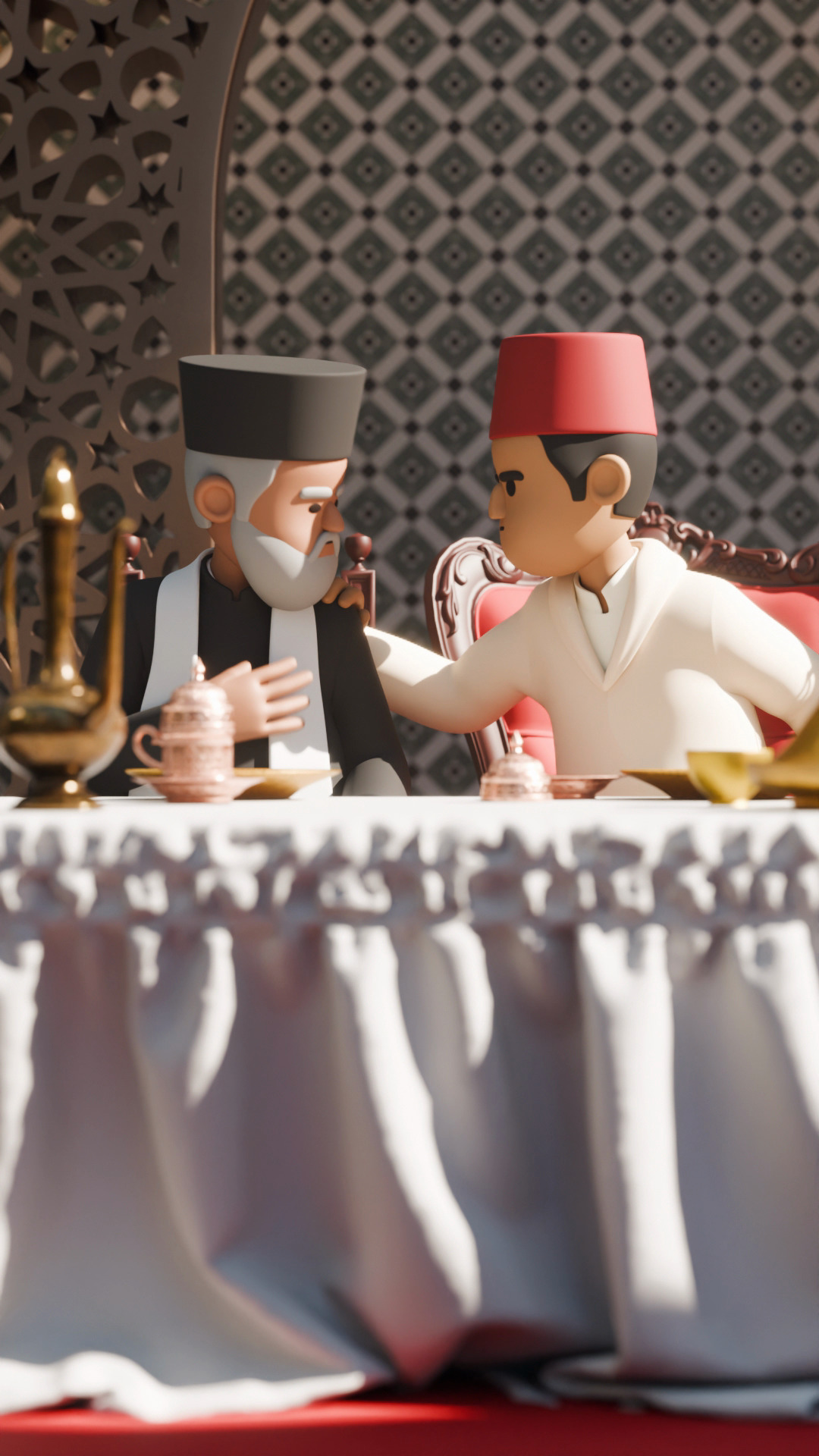
- Private reassurance. The Sultan met privately with Jewish community leaders and told them the decree had not changed their relationship to him as their sovereign.
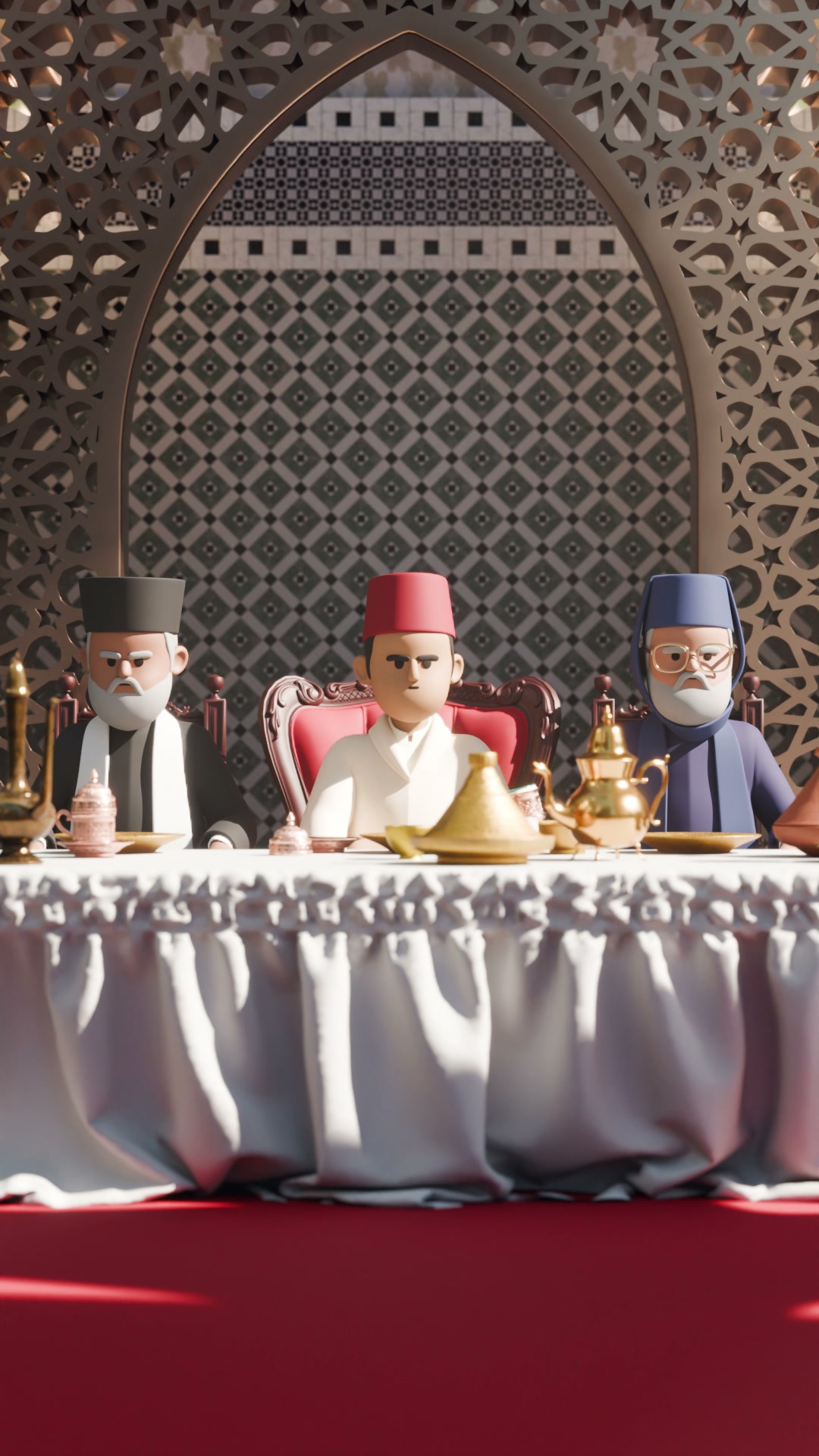
- Public solidarity. At the November 1941 Feast of the Throne, he seated rabbis and Jewish notables at the royal table as guests of honor — in front of Vichy officials watching from across the table.
These are documented acts. They are not the same as throwing the seal into the fire. They are also not nothing.
Hold both sides of the record.
- Real: Quotas. Property restrictions. Forced relocations into mellahs. Severe overcrowding in Fez. Disease. Labor and internment camps in Vichy North Africa.
- Did not happen: No deportations of Moroccan Jews from Morocco to Nazi extermination camps. Yellow star not systematically imposed. Citizenship not stripped.
- Survived: Roughly a quarter million people. A community largely intact at war’s end.
- Recognition: Mohammed V has not been recognized by Yad Vashem as Righteous Among the Nations.
Should Mohammed V be recognized as Righteous Among the Nations?
Make a claim. Support it with one specific action from the film and one specific fact from the historical record. There is no single right answer.
One argumentative paragraph. 150–200 words.
Main claim. Evidence. Analysis. Link back to claim. Build your earlier sentences into one tight paragraph.
What changed in your understanding of allyship?
“There are no Jews in Morocco, only Moroccan subjects.”
— As remembered by those he protected · Mohammed V, c. 1940–1941