
The
Forger
You are not going to read this all at once. You are going to move through it one image, one decision, one question at a time.

Know the ground before you step onto it.
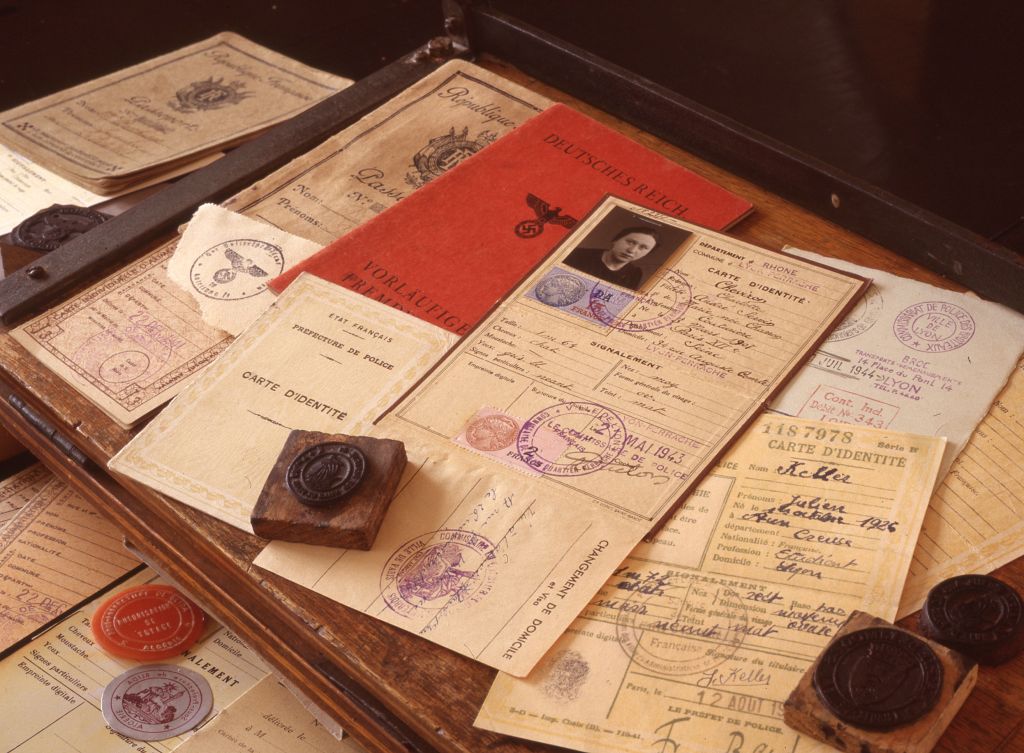
The film is 90 seconds. It shows a teenager in occupied Paris, chemistry on a workbench, ink being removed, documents being forged at speed.
It does not show on-screen violence or harm to any person. The hardest moment is conceptual: a math problem about sleep and survival. The film is hand-animated in 3D by a human animation team. It is not archival footage and not AI-generated. If you need to step outside, you can do that without explaining yourself.
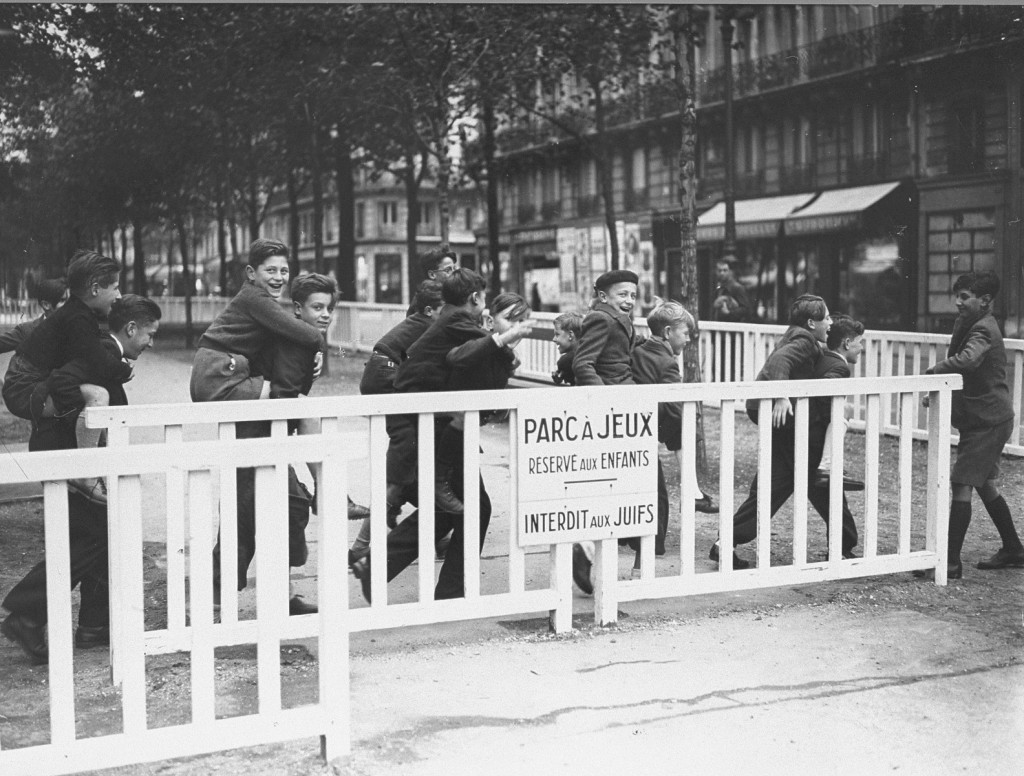

Not a topic. People.
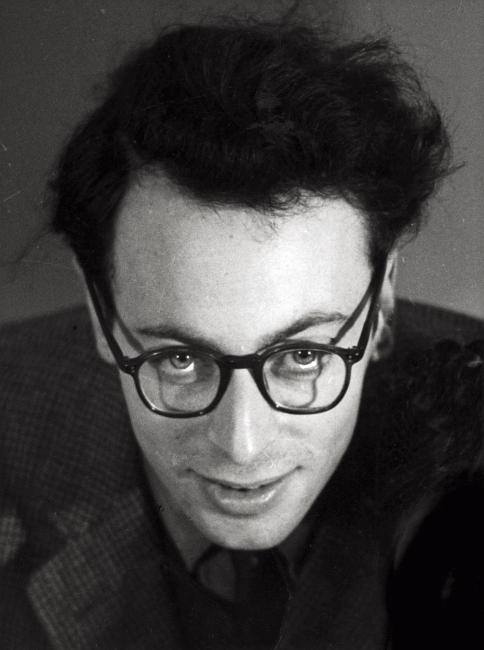
One named teenager did the work. A network kept the work moving. A daughter, decades later, made sure the work was remembered.

Why refuse payment?
Kaminsky was eighteen, hungry, hiding, and risking execution if caught. He could have demanded a price. He refused, and he kept refusing for the rest of his life.
Why would someone risking their life to forge documents refuse to be paid for it? What would payment have done to the meaning of the work?
This video has the microshort's original audio. The Listen button above plays separate lesson narration.
Watch for one thing: the moment the arithmetic lands.
As you watch, do not try to catch every fact. Listen for the math. Thirty documents per hour. One hour of sleep equals thirty people dead.

No analysis yet.
One word for what you felt. Not a speech. Not a thesis. Just a word.

Look at the document as a decision.
A forged identity card had to be ordinary. Kaminsky did not invent heroic-looking papers. He invented unremarkable ones, so that the person carrying them could pass through a checkpoint and disappear.
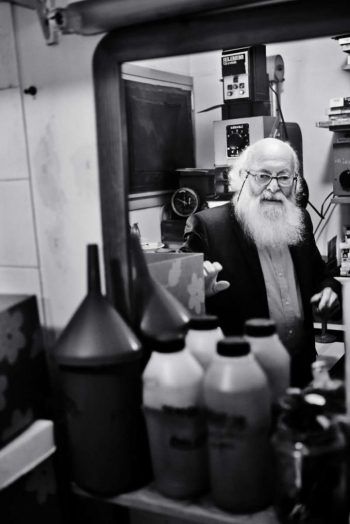
The math is the moral center.
"It was a simple matter of arithmetic. In one hour I can make 30 blank documents. If I sleep for an hour, 30 people will die." Adolfo Kaminsky, recounting summer 1944
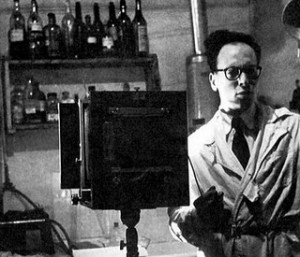
What did the refusal of payment mean?
Kaminsky refused payment in 1944. He kept refusing afterward, forging documents for Algerian fighters, anti-apartheid activists, and refugees, for decades. There is not one sentence in the film that tells you why.
Make a microstory.
Choose a person who used an ordinary professional skill for a moral purpose under threat. Keep it short enough that every choice matters.
Pick a medium.
Must include
One named person, one ordinary skill turned to a moral purpose, and one specific number that holds the cost.
Must avoid
Sentimentality. Invented heroism. Dialogue your subject never spoke.
What changed in your understanding?
Complete the frame. Be specific enough that tomorrow you would still know what you meant.
Before this film, I thought rescue during the Holocaust meant ___. Now I understand it could also mean ___. The hardest part of Kaminsky's story for me is ___ because ___.