
The
Forger
You will not read this all at once. You will move through it one picture, one decision, one question at a time.
Every step can read itself out loud. Press Listen whenever you want to hear a step again.
Know what you are walking into.
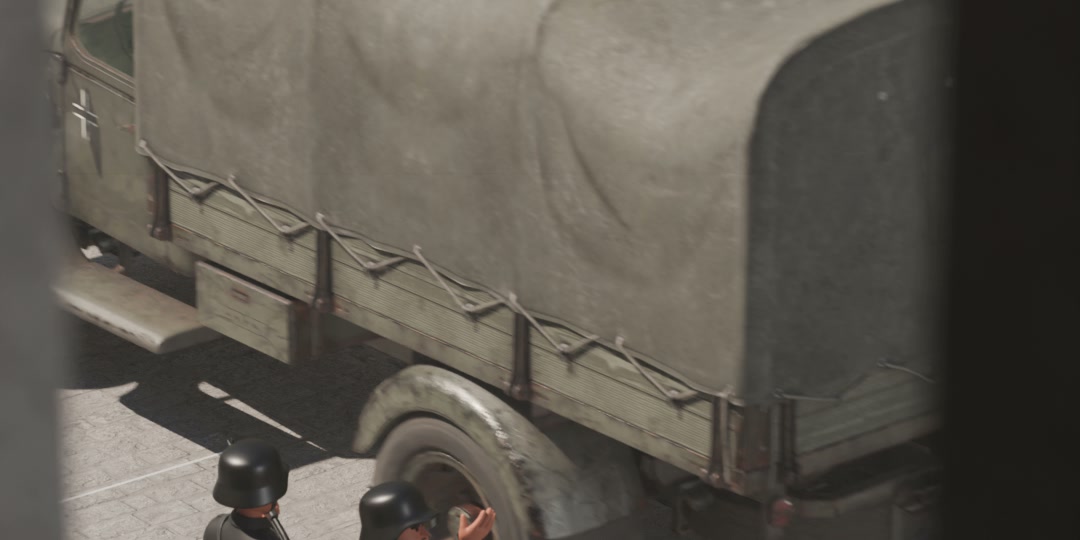
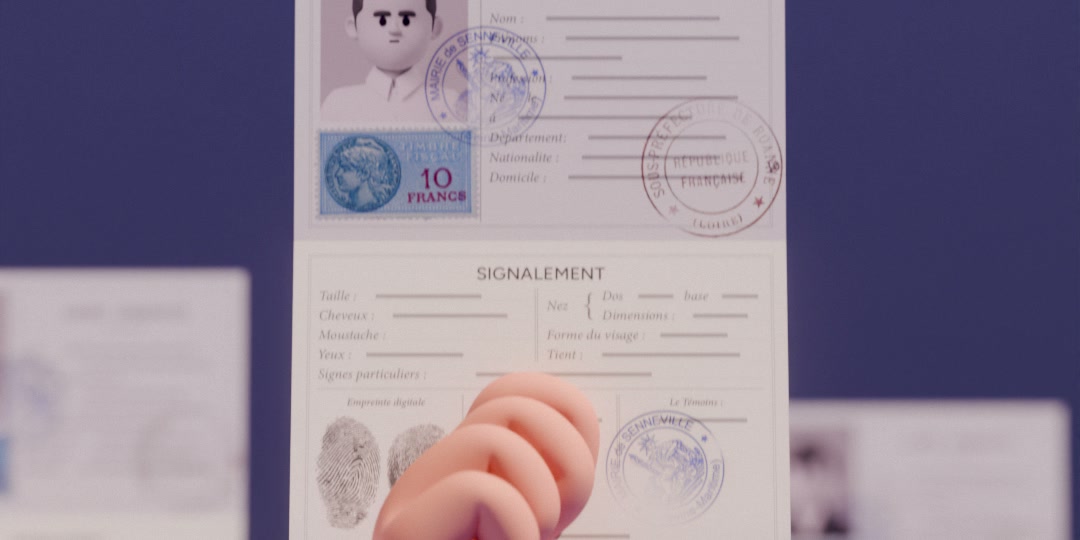
The film runs 90 seconds. It shows a teenager in a Paris attic: chemistry on a table, ink coming off paper, documents made fast.
Nobody is hurt on screen. There is no blood and no violence to watch. The hard part is a thought, not a picture: a piece of arithmetic about sleep. The pictures are animated in 3D by a team of artists. They are not old photographs and they are not made by AI. If you need to step out of the room, you can. You do not owe anyone an explanation.
Four words you will need.
The short version is on each card. Tap a card and the longer version appears at the top of the screen.

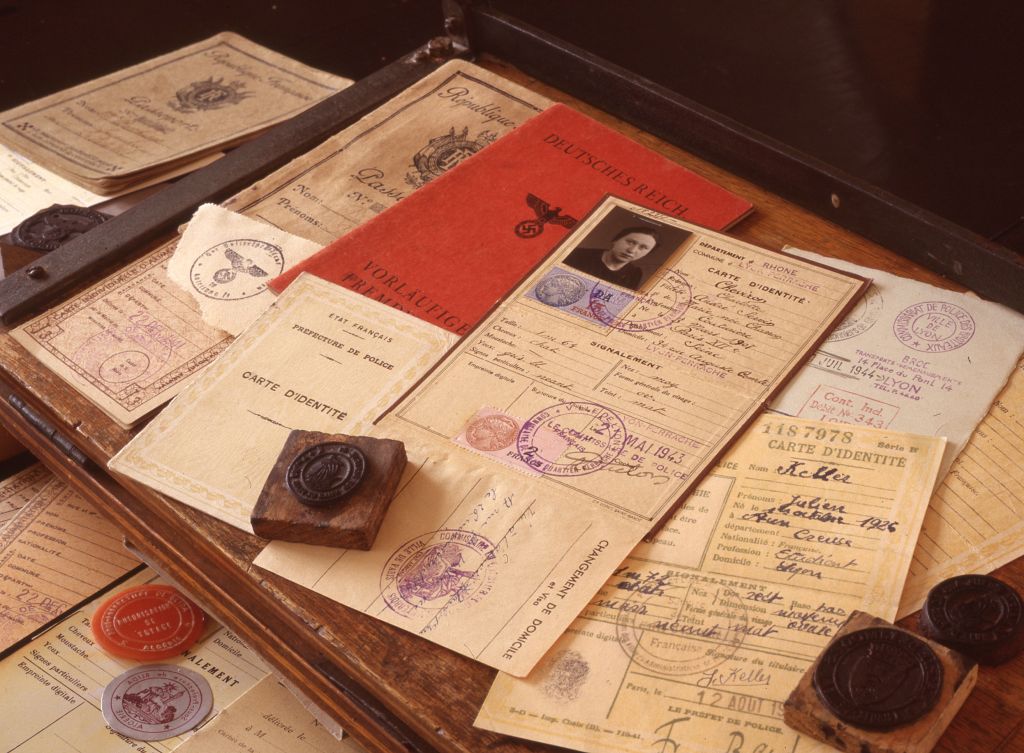
Start with people.
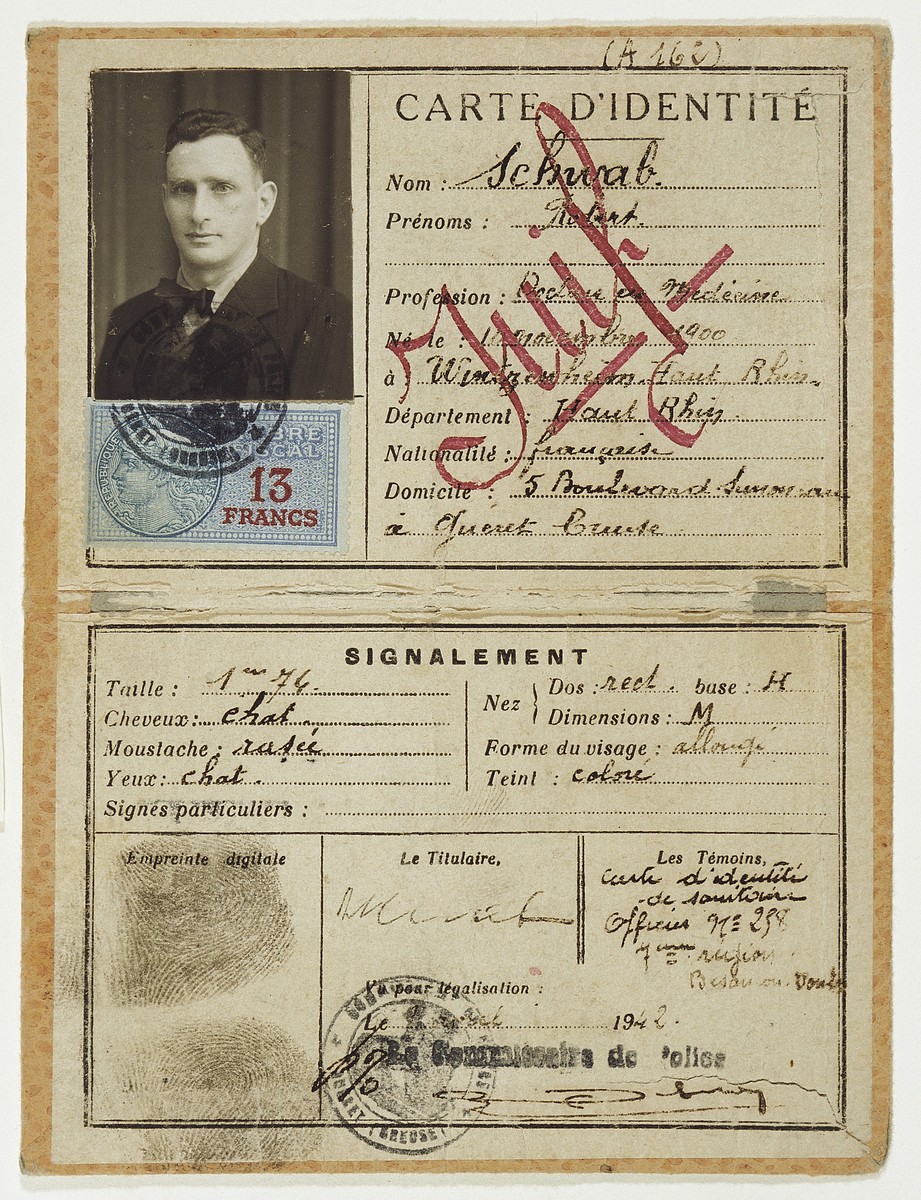
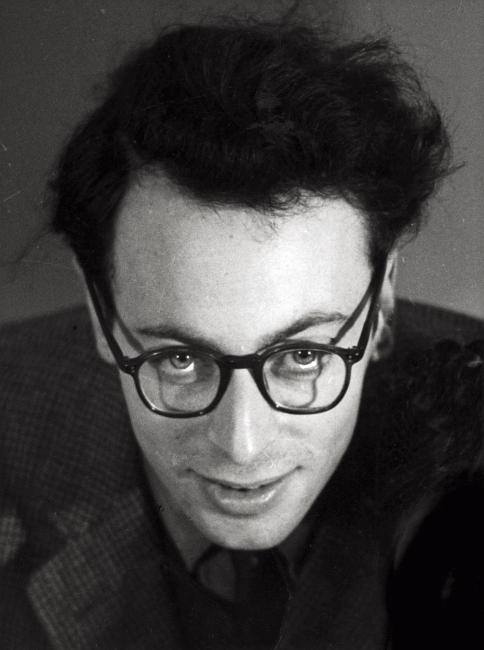
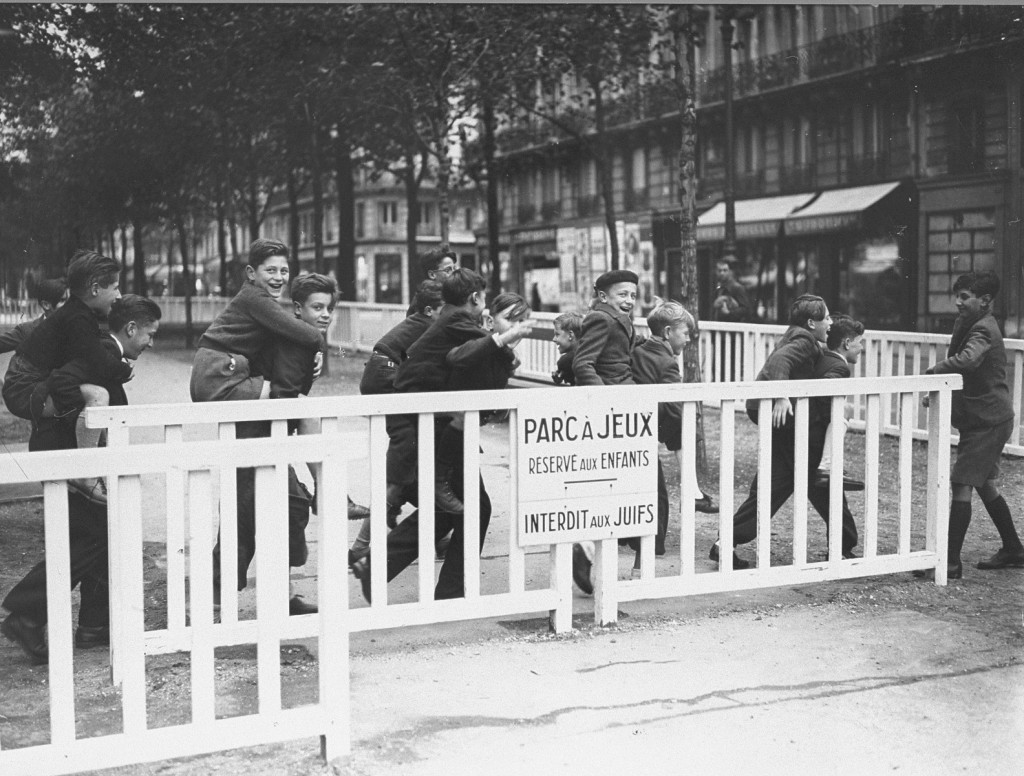
One teenager did the work at the table. Other people carried the papers across the city. Three hundred children used them. Sixty-five years later his daughter wrote the story down, and that is the only reason anyone knows it.

Why turn down the money?
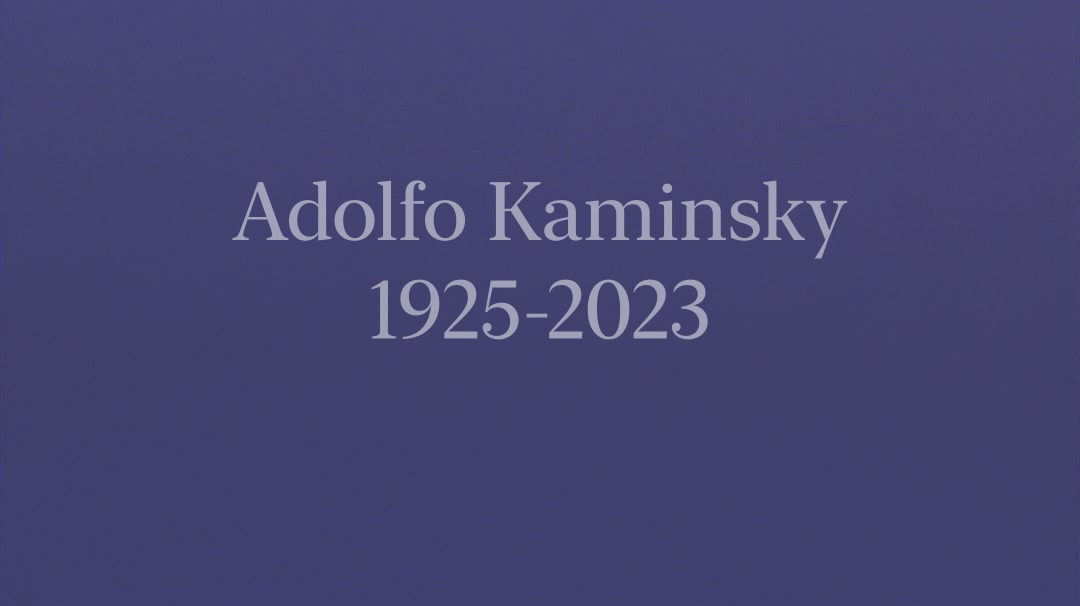
Kaminsky was eighteen. He was hungry, he was hiding, and the Nazis would have shot him if they found him. He could have named any price. He never took a franc, not in 1944 and not for the rest of his life.
Why would somebody risking his life to make these papers refuse to be paid for them? What would money have changed about the work?
This video has the film's own sound. The Listen button above plays the lesson narration instead.
Listen for the numbers.
Do not try to catch every fact. Catch the arithmetic. Thirty documents an hour. One hour of sleep, thirty people. That one calculation is the whole story.
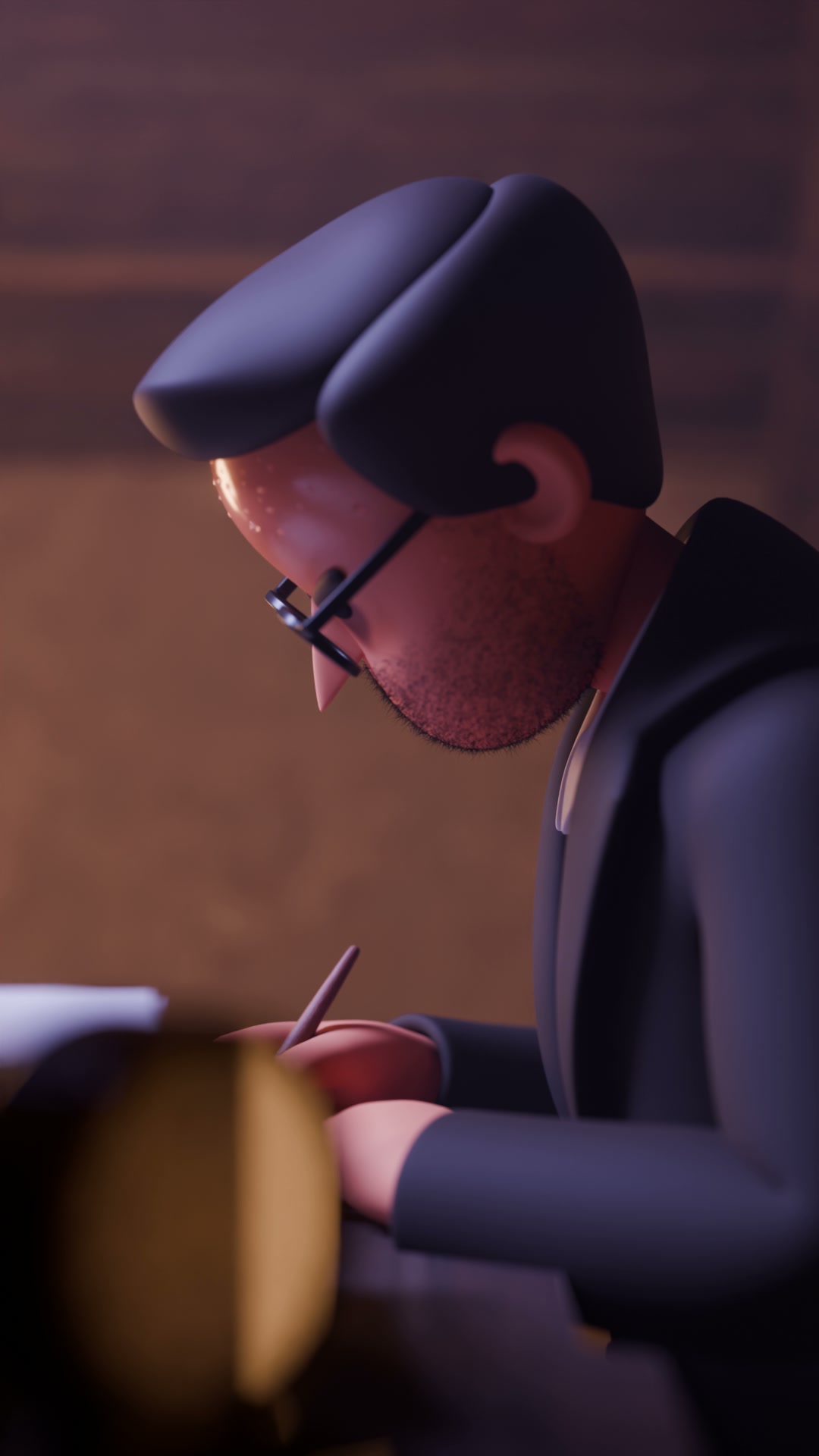
One word. No analysis yet.
Not a sentence. Not an opinion. Not something that has to sound smart. One word for what you are carrying right now.
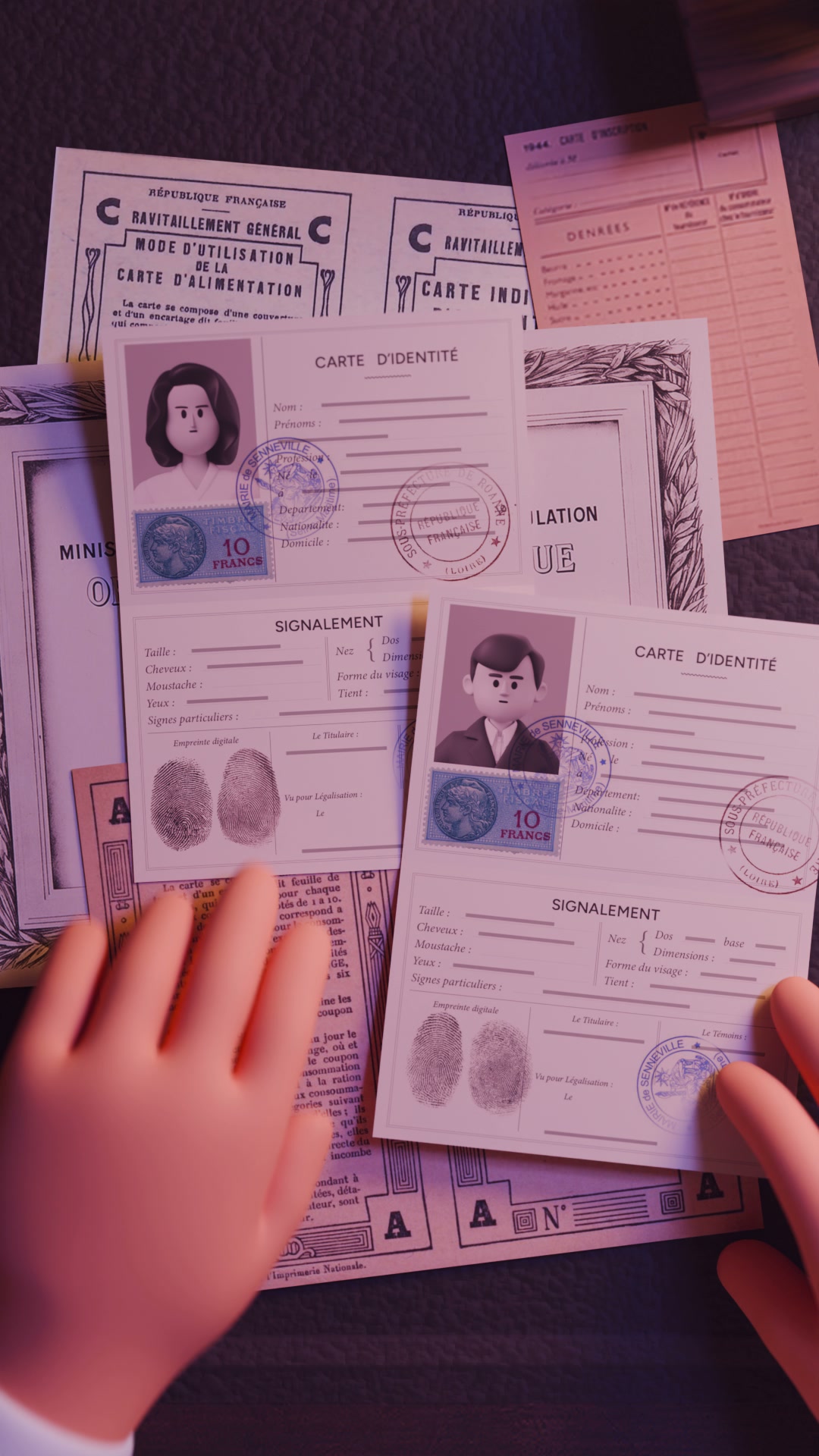
A good forgery is a boring forgery.
He did not make dramatic papers. He made dull ones. Dull cards get waved through.

The math is the hard part.
"It was a simple matter of arithmetic. In one hour I can make 30 blank documents. If I sleep for an hour, 30 people will die." Adolfo Kaminsky, recounting summer 1944
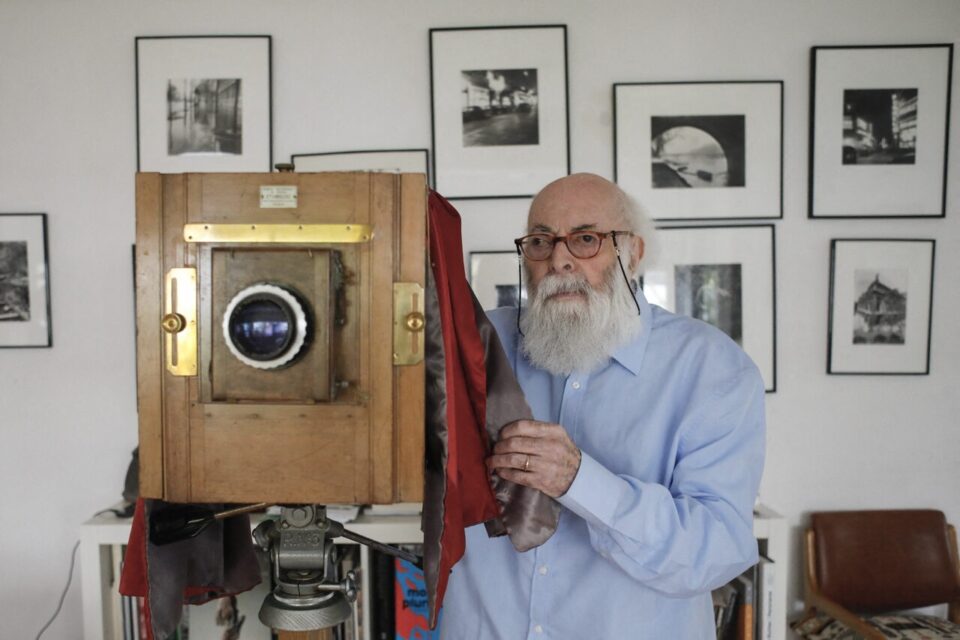
What did refusing mean?
He refused in 1944. He kept refusing for decades: papers for Algerian fighters, anti-apartheid activists, refugees. The film never says why.
Make a microstory.
Pick a real person whose everyday skill saved someone.
Put in
One real name. One ordinary skill used for a good reason. One real number that shows what it cost.
Leave out
Invented heroes. Words your person never said. Anything you added because it sounded good.
What changed for you?
People like Kaminsky were rare. Most people in occupied Europe did nothing, and that is part of the truth too. Finish the sentences below and be specific enough that you would still know what you meant next week.
Before this film I thought saving people during the Holocaust meant ___. Now I know it could also mean ___. The hardest part of Kaminsky's story for me is ___ because ___.
If this one is hard to carry, tell a teacher, a counselor, or an adult you trust.