The
Forger
This is not a long reading disguised as a webpage. It is a sequence of positions you will have to take, revise, and defend.
The film makes an ethical claim before you do.
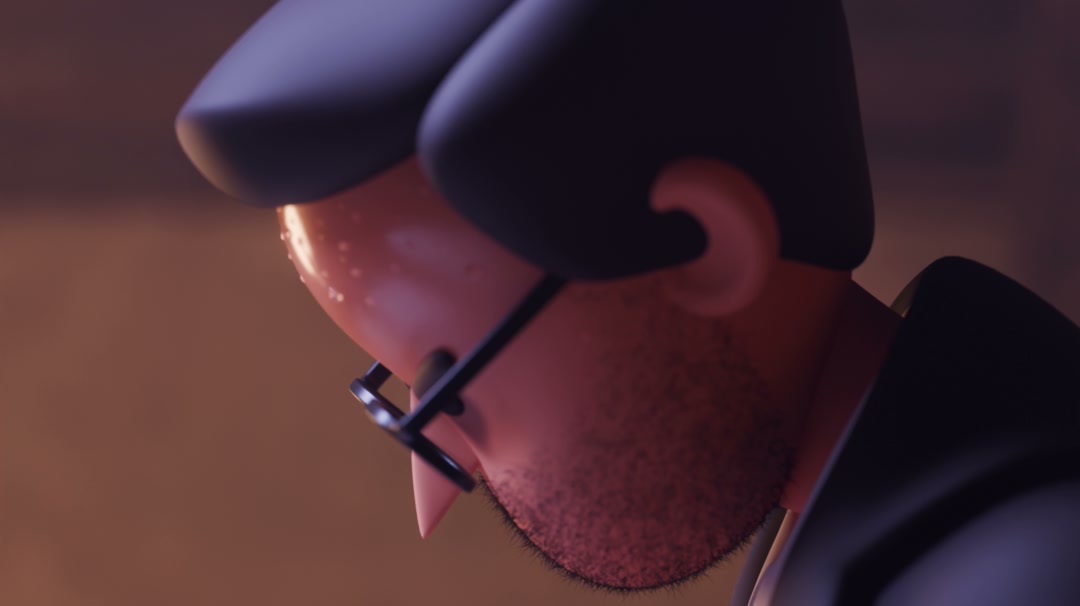
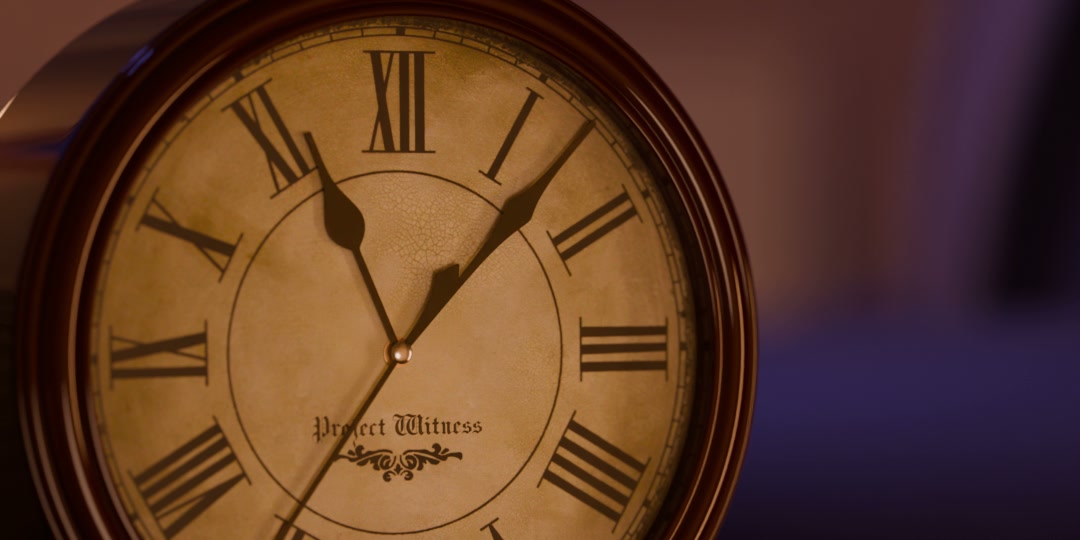
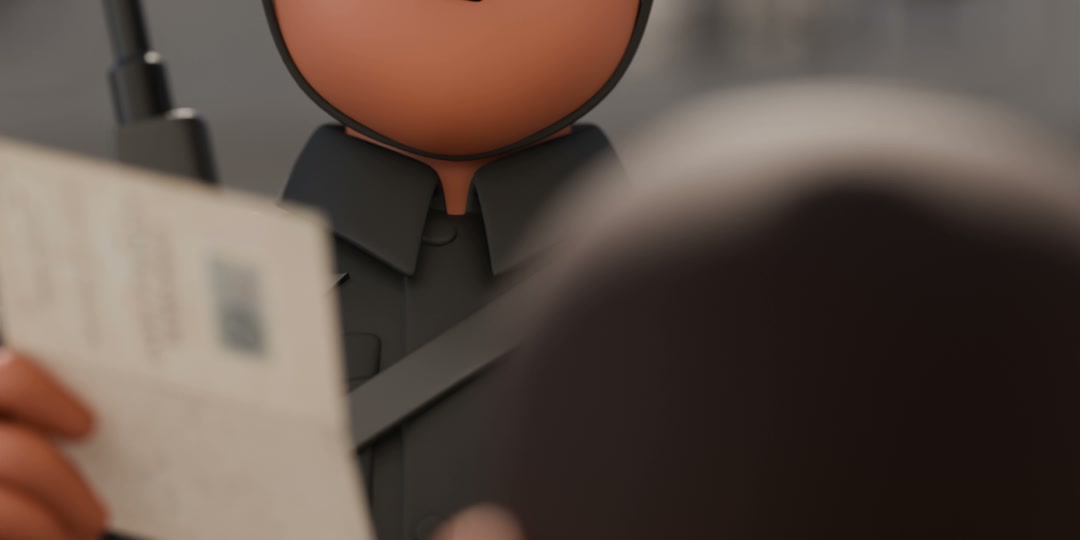
It uses stylized 3D animation rather than archival footage. It withholds the children themselves and the harm that would have happened without the papers. It centers the lamplight, the chemistry, and the arithmetic.
The film was hand-animated in 3D by a human animation team. It is not AI-generated. You may step out if needed. You may also disagree with the film's choices. That disagreement is part of the work.
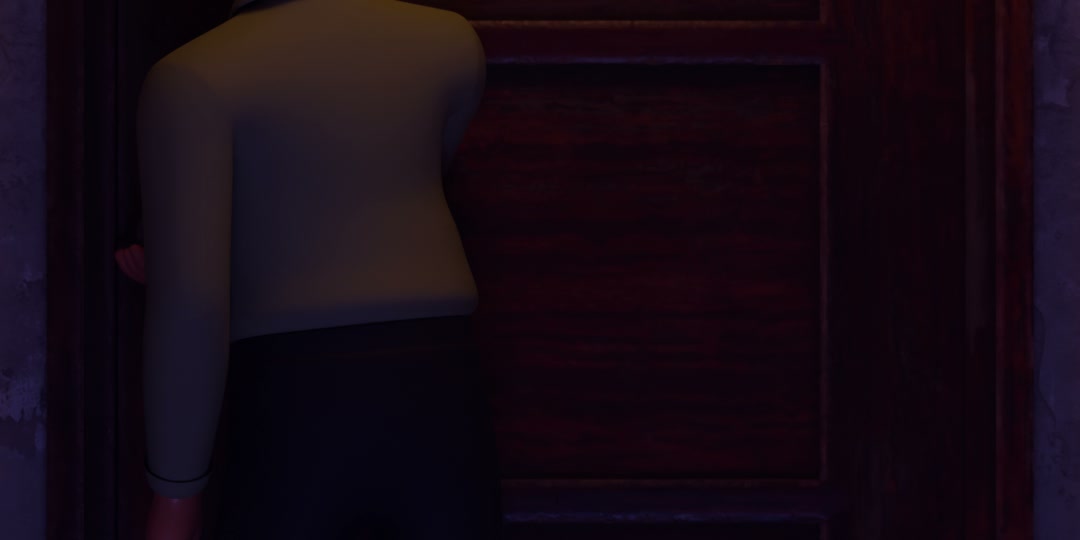
The argument must stay attached to a person.
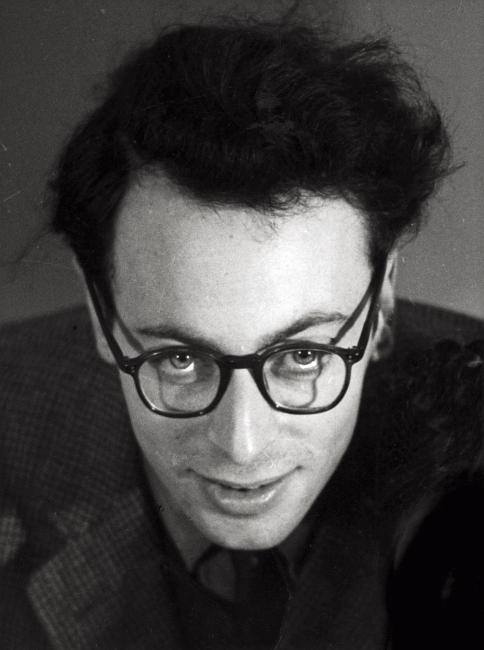
One eighteen-year-old did the work. A network kept it moving. A daughter, sixty-five years later, made sure the work was remembered. If the debate becomes abstract enough to erase him, the debate has already failed.
Two serious refusals. Two serious obligations.
The argument against
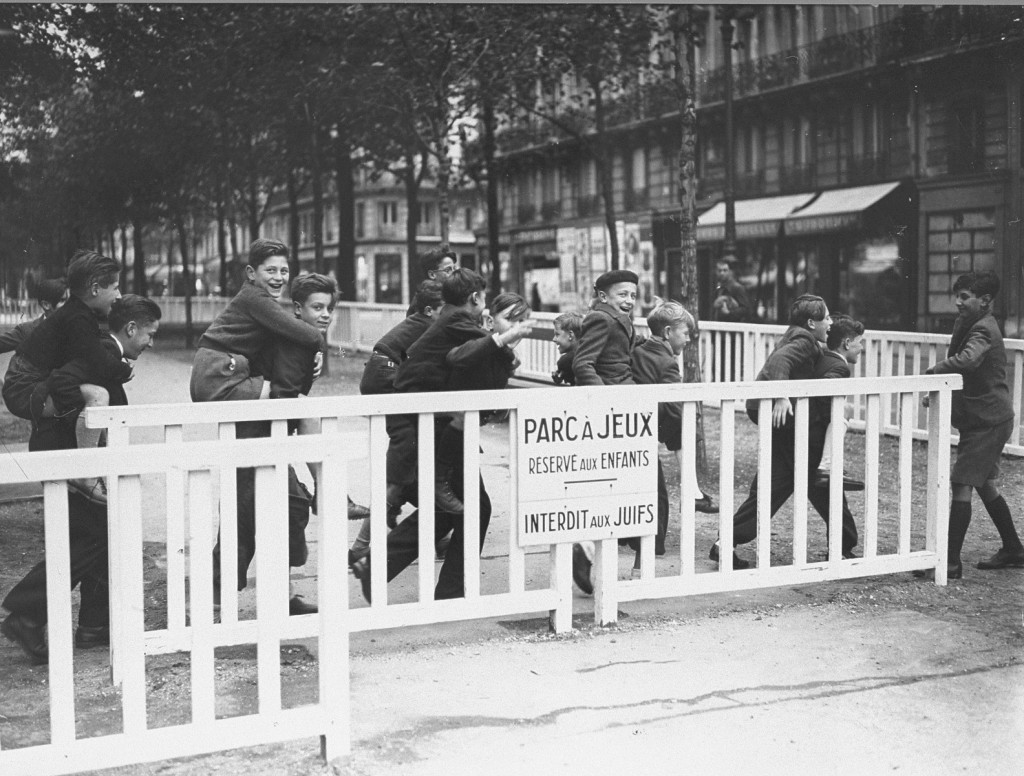
Centering rescuers risks flattening the Holocaust into uplift. Most Europeans were bystanders or beneficiaries. The Righteous were extraordinary precisely because they were rare.
The argument for
Refusing to tell rescue stories also has a cost. It surrenders the discipline of what individual responsibility actually demanded under occupation.
This video has the microshort's original audio. The Listen button above plays separate lesson narration.
Watch it as a position, not only as content.
What does the film claim by spending ninety seconds on one teenager's calculation, rather than on the abstract scale of the rescue networks or the deportation totals?

Name the residue before you argue.
One word. Then the analysis can begin.
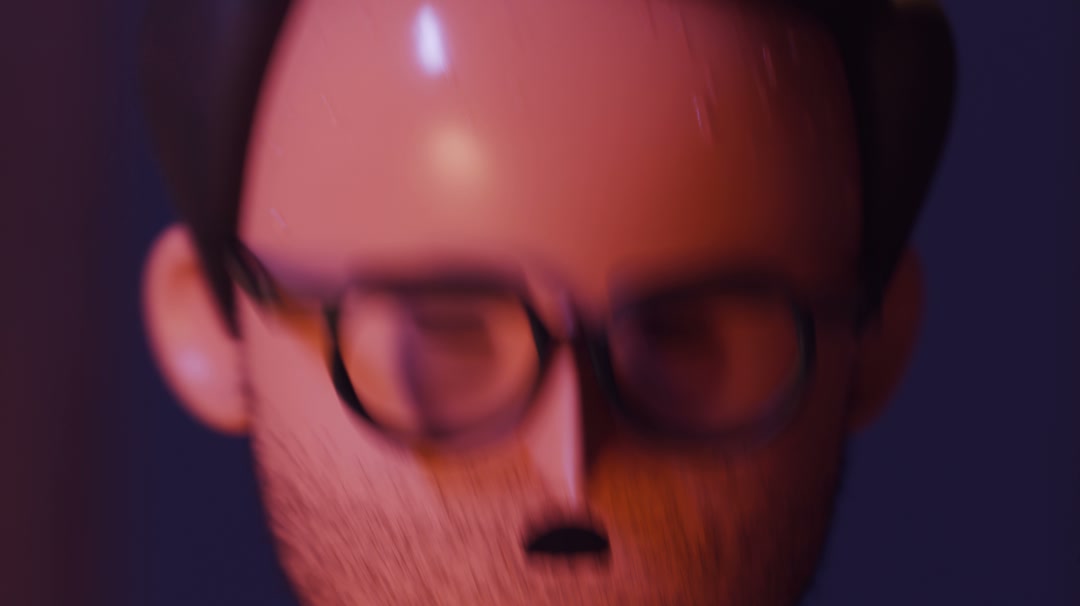
The work is in what disappears.
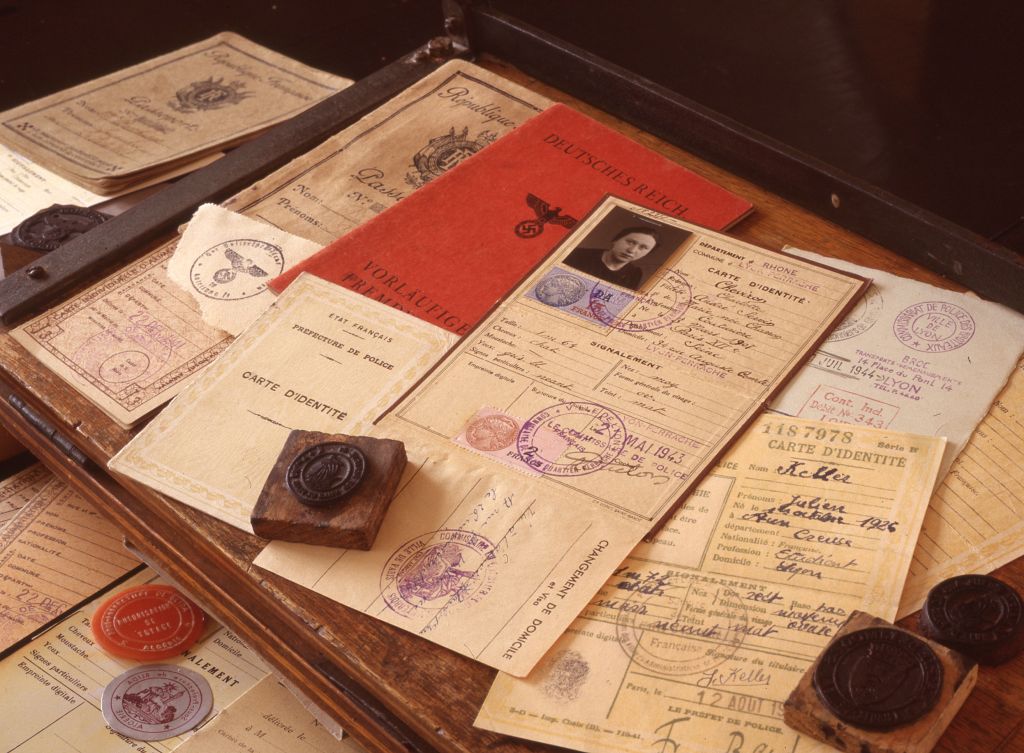
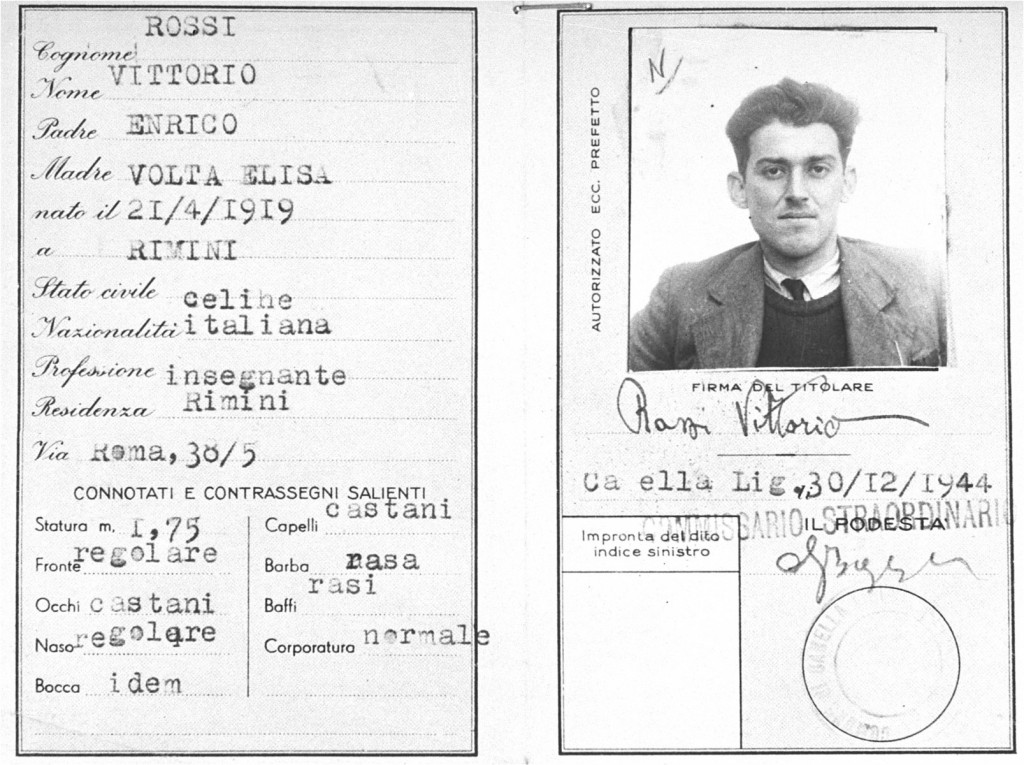
Reading a forged document as a historical object means reading the absence as evidence. The ink lifted, the name replaced, the bureaucracy navigated. Cropping a rescue story to its triumphal moments removes the conditions that produced it.
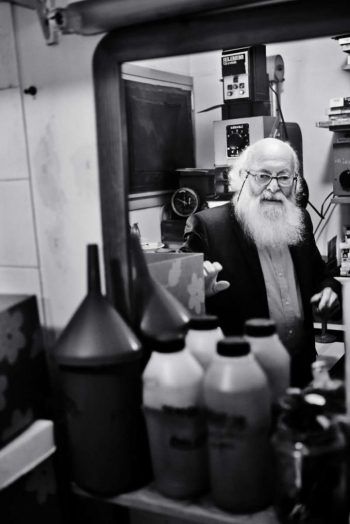
The math is the document.
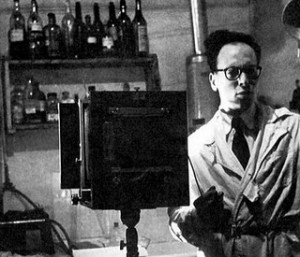
"It was a simple matter of arithmetic. In one hour I can make 30 blank documents. If I sleep for an hour, 30 people will die." Adolfo Kaminsky, recounting summer 1944
What did the refusal of payment mean?
Take a position that can survive the strongest objection from the other side.
Defend the frame you choose.
Your task is not only to make something. It is to explain why your form is ethically and historically defensible.
Choose the output you want to build.
Required move
Name what is gained by your representational choice.
Required cost
Name what is lost, risked, or made harder by that same choice.
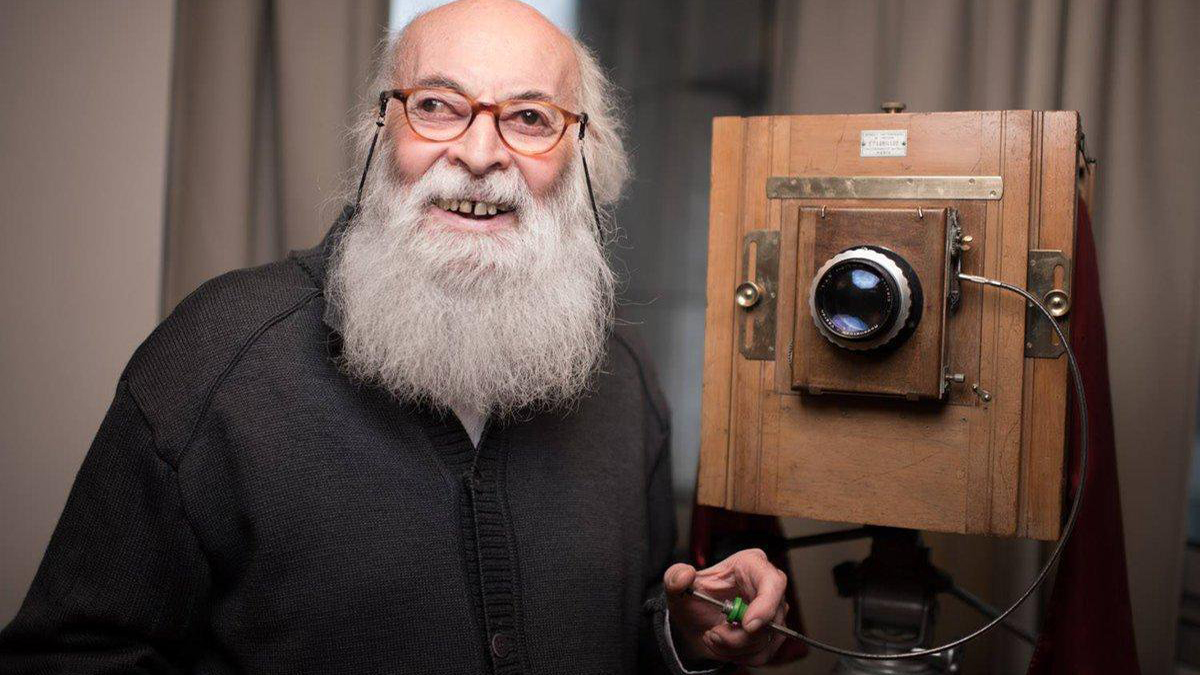
Leave with the disagreement intact.
Complete the frame as a position, not a mood.
The position I am most prepared to defend is ___. The most serious objection is ___. I take my position anyway because ___. What I owe Adolfo Kaminsky, and the eighty percent of European Jews murdered around the rescue this film tells, is ___.