The
Boxer
You are not going to read this all at once. You are going to move through it one image, one decision, one question at a time.
Know the ground before you step onto it.
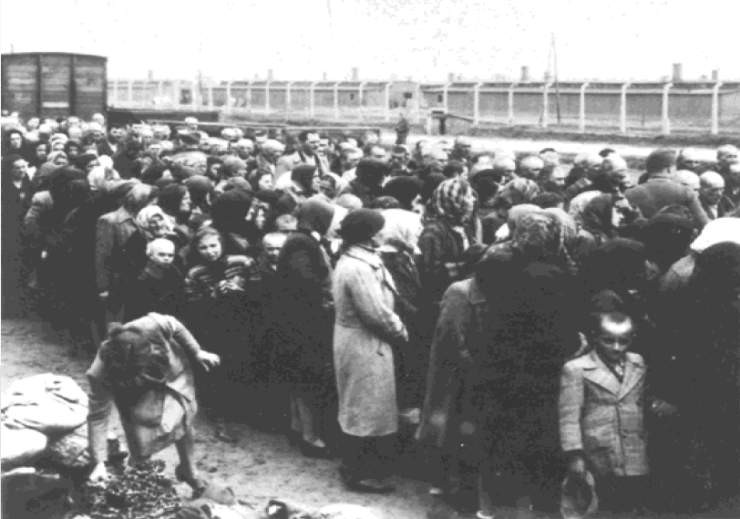
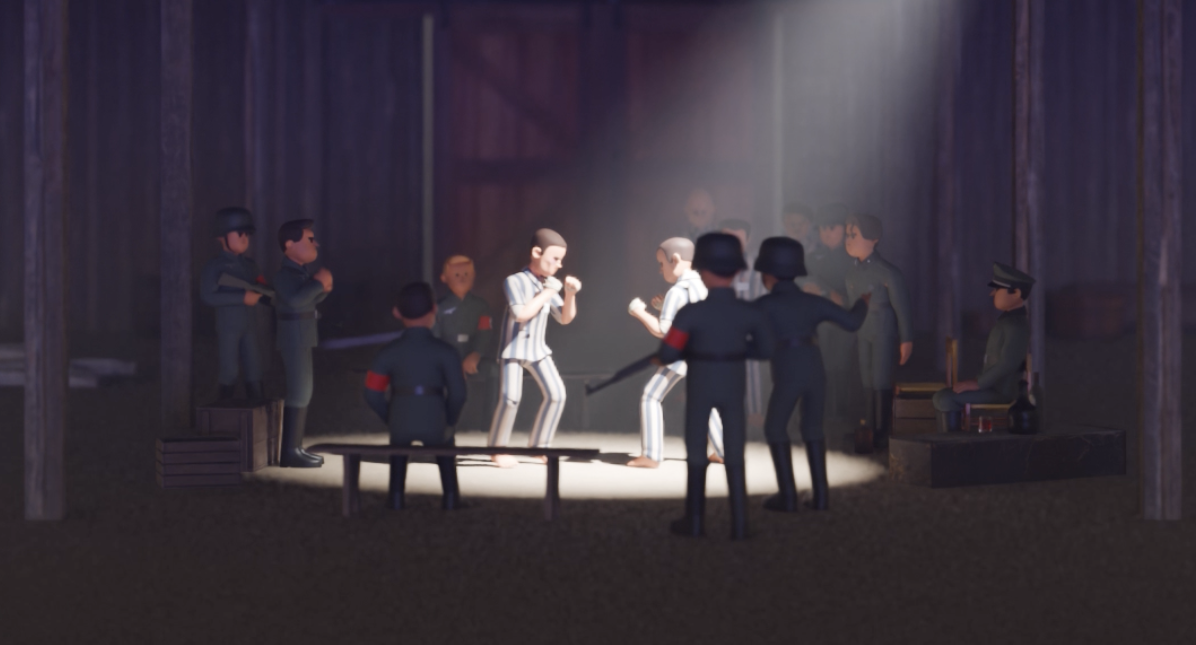
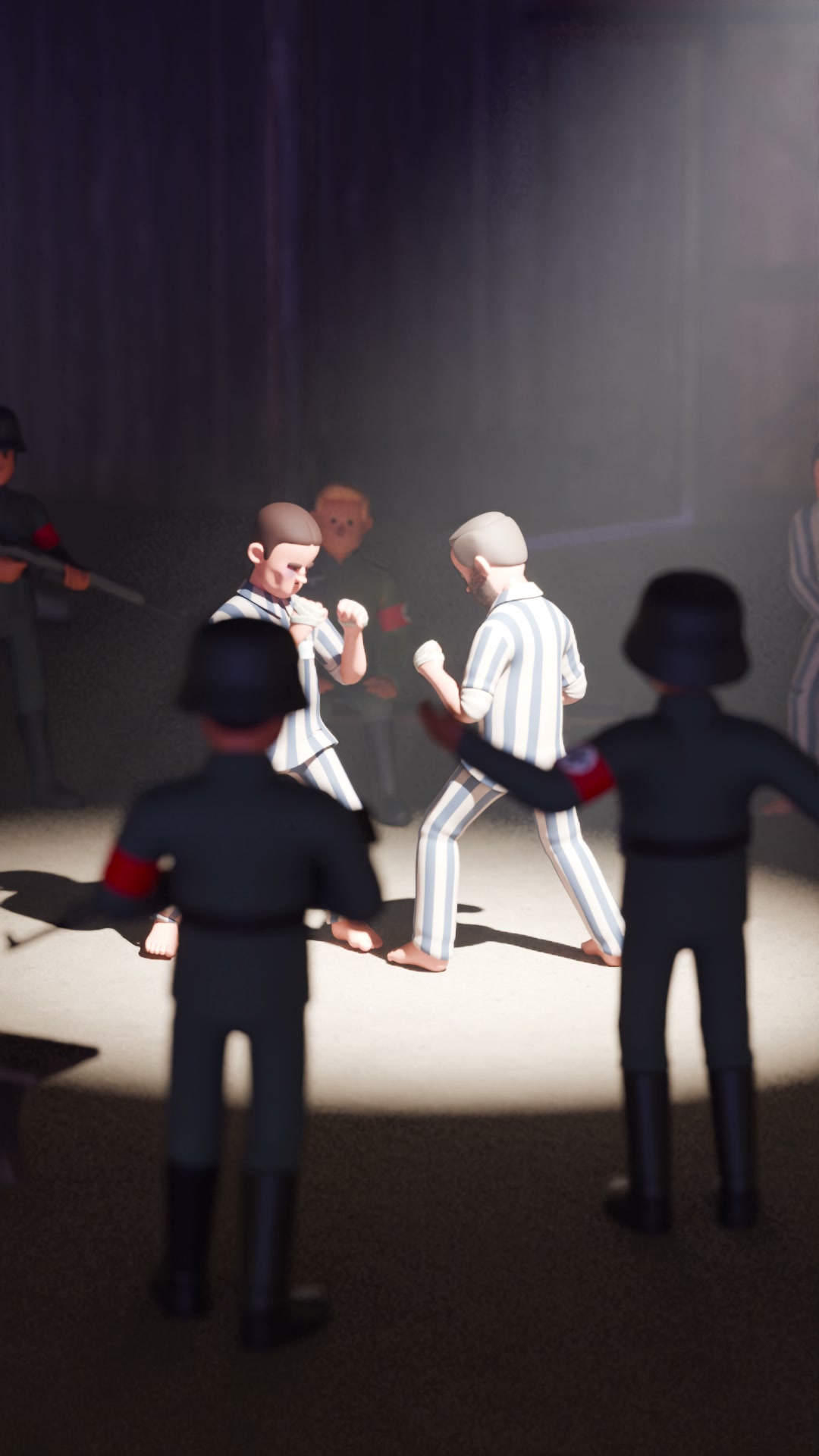
The film is 90 seconds. It depicts forced boxing inside Auschwitz, where the SS made prisoners fight for entertainment. The most intense moments are conceptual, not graphic.
No graphic violence is shown. The act of killing is referenced, never depicted. The film is hand-animated in 3D by a human animation team. It is not archival footage and not AI-generated. If you need to step outside, you can do that without explaining yourself.
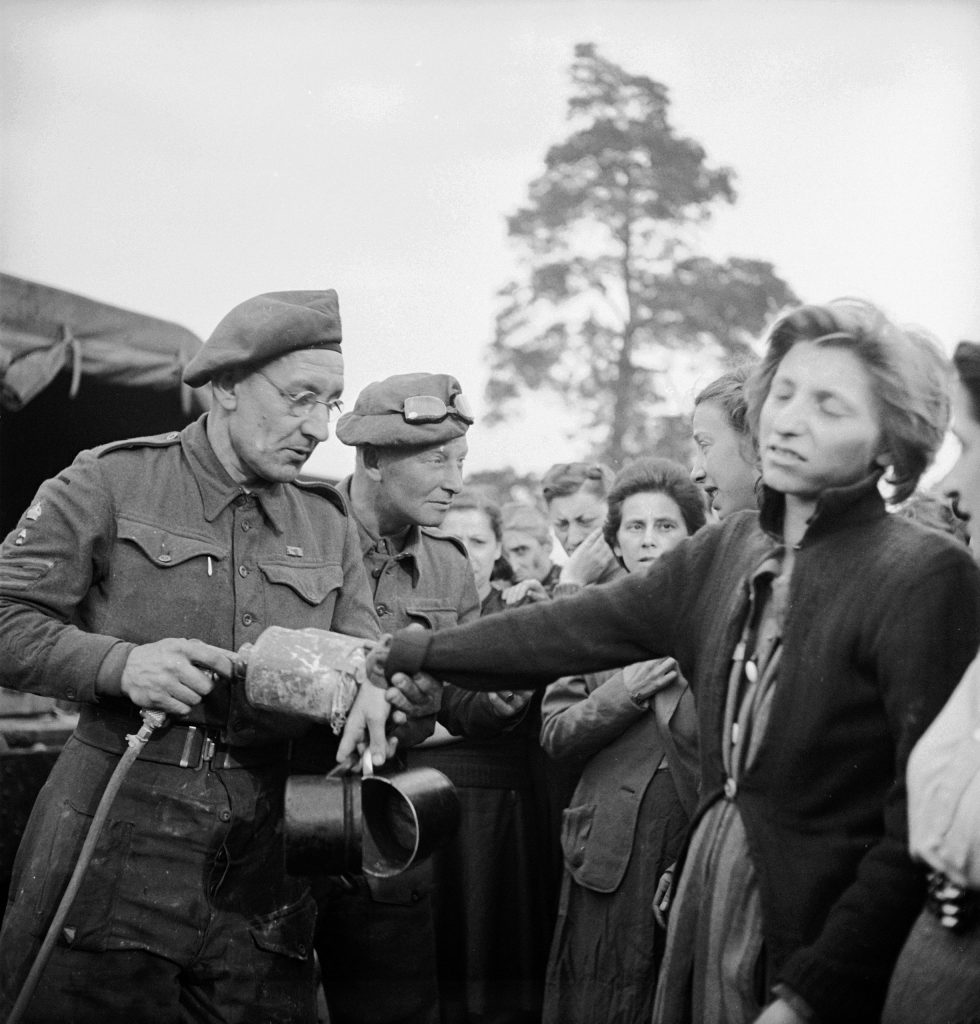
Not a topic. People.
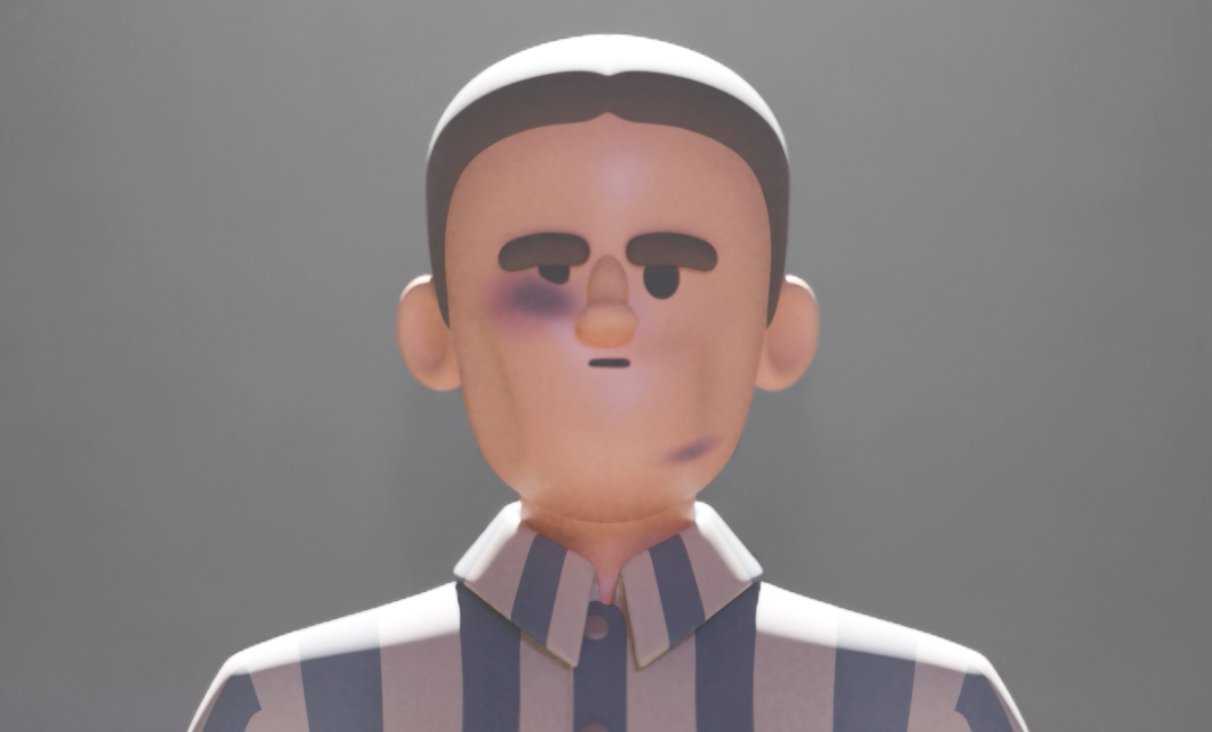
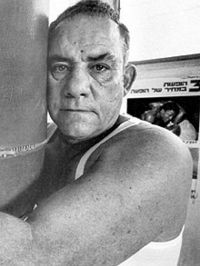
Before the camp, before the ring, before the argument about survival, there are names. Salamo's name is the one history kept. The names of the men he fought are mostly gone.

What does survival cost when survival hurts someone else?
Losing the fight usually meant the losing fighter was killed soon afterward. Salamo understood that every time he won.
What does the word survival mean in a place where staying alive could mean another person dies for you? Is there a third option?
This video has the microshort's original audio. The Listen button above plays separate lesson narration.
Watch for one thing: how the film refuses the easy triumph.
As you watch, do not try to catch every fact. Watch what happens around Salamo when he wins, not the win itself.
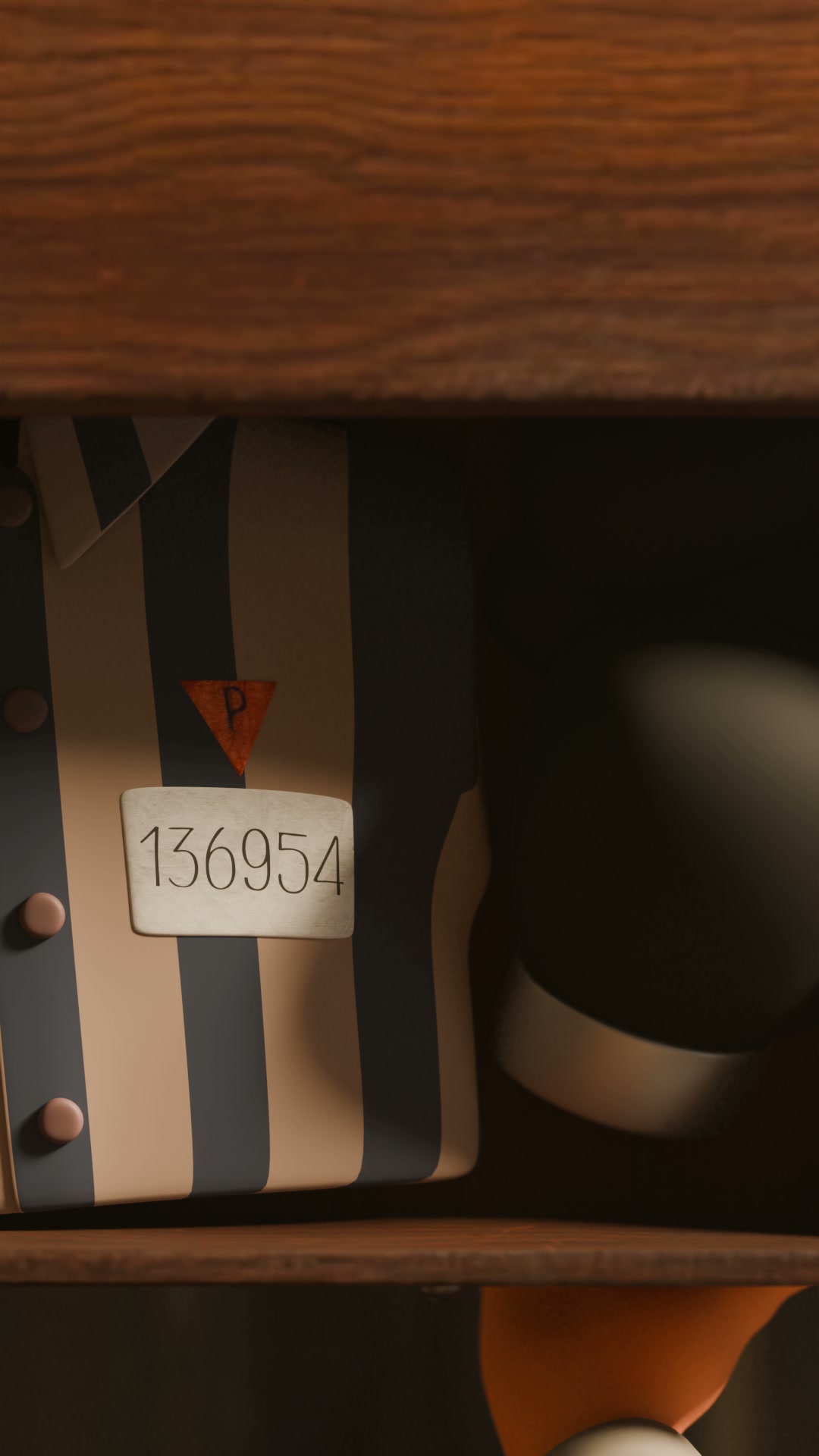
No analysis yet.
One word for what you felt. Not a speech. Not a thesis. Just a word.
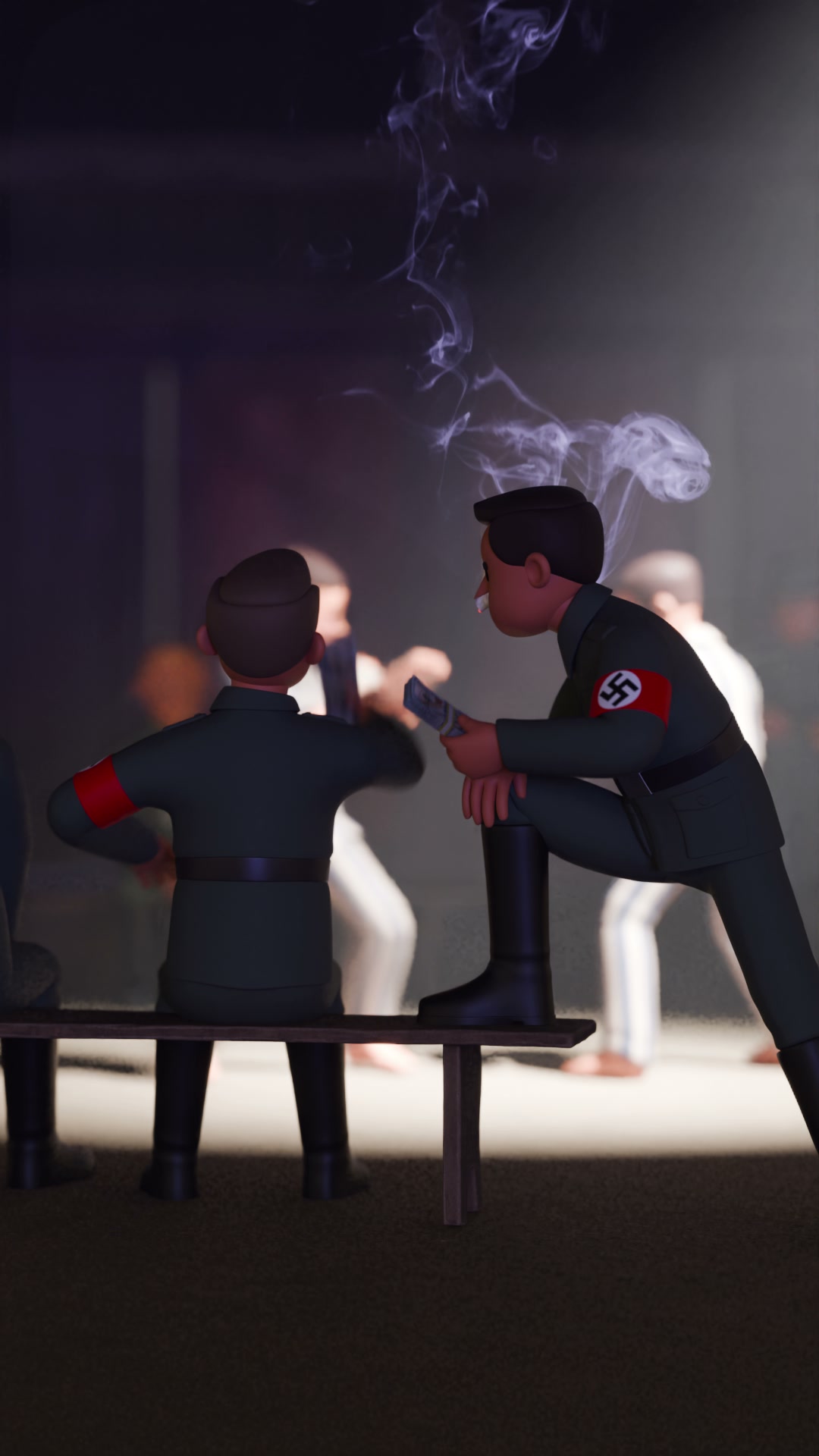
Look at the ring as a system.
Boxing is an Olympic sport. The same footwork that made Salamo undefeated in Thessaloniki (his Greek hometown, with the largest Sephardic Jewish community in the world before the war) kept him alive in Auschwitz. The skill did not change. The system around it did.
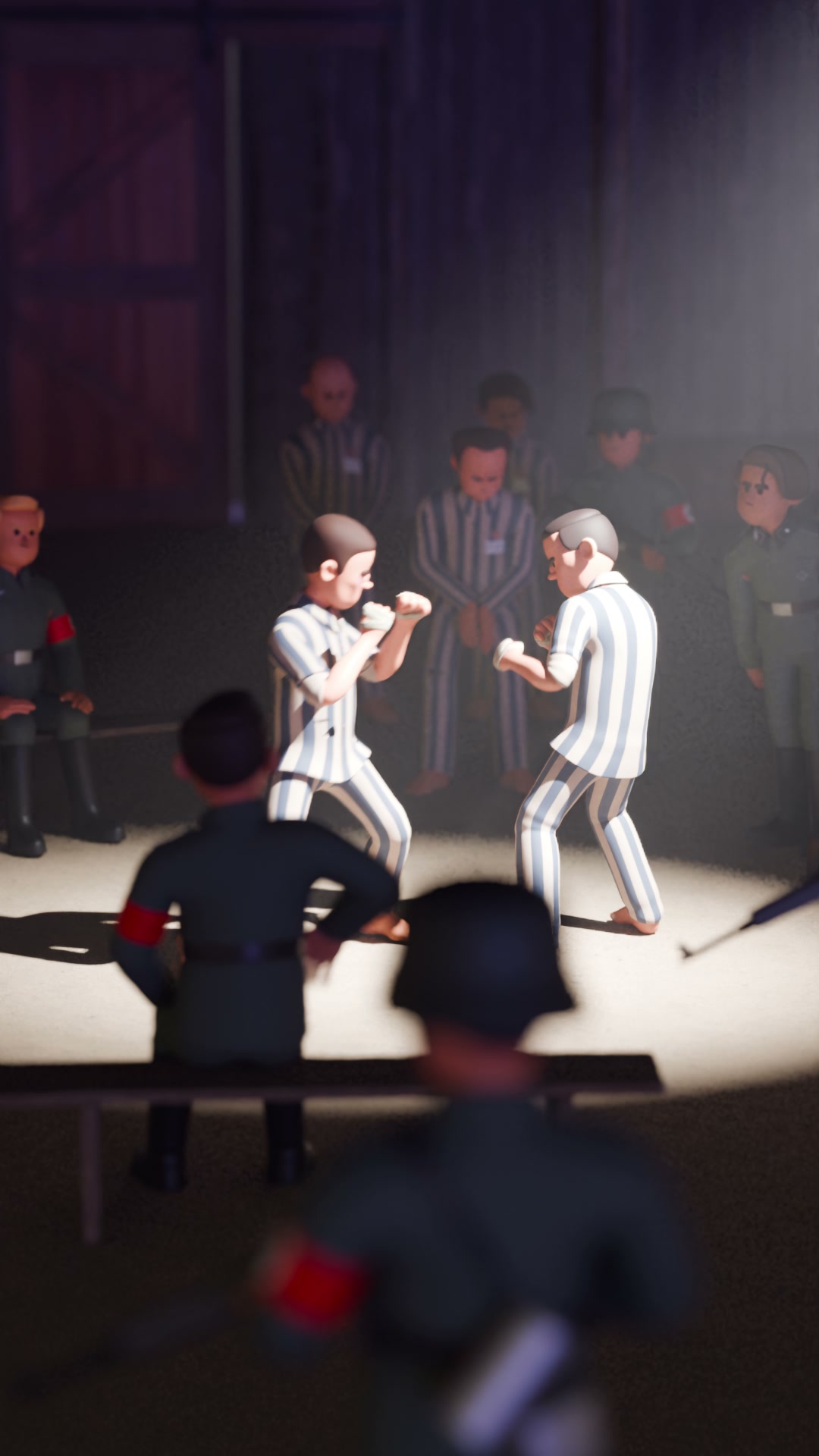
A name for what we usually talk around.
"Choiceless choices: situations where none of the available options preserves moral agency." Lawrence Langer, Versions of Survival, 1982
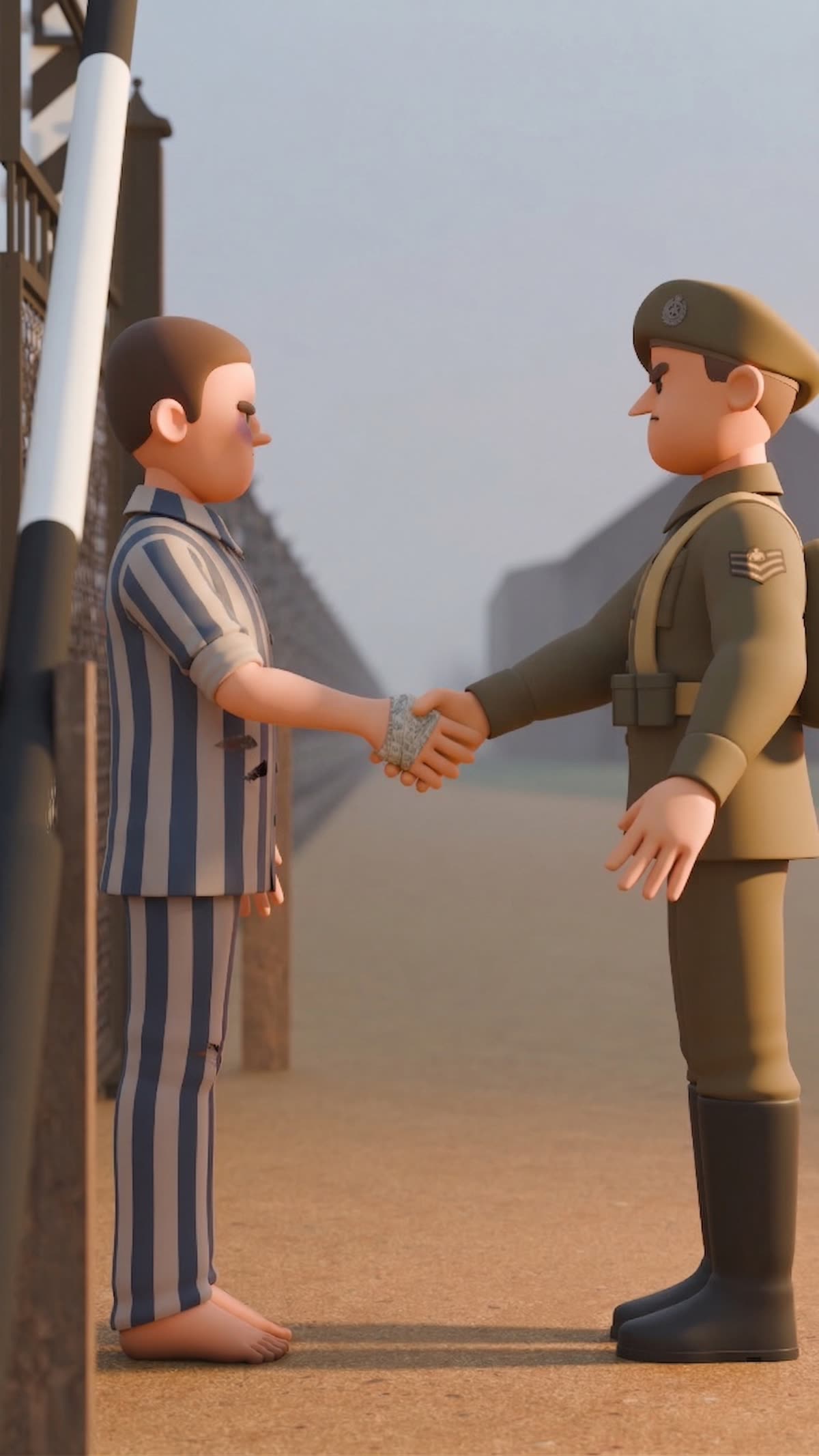
Was Salamo's survival a victory?
There is not one sentence in the film that tells you what to call it. You have to build the claim from what you saw.
Make a microstory.
Choose a person who faced a choiceless choice and acted under it. Keep it short enough that every choice matters.
Pick a medium.
Must include
One named person, one choiceless-choice situation, one specific cost the person carried afterward.
Must avoid
Triumphalism. Sports-movie pacing. Invented dialogue your subject never spoke.
What changed in your understanding?
Complete the frame. Be specific enough that tomorrow you would still know what you meant.
Before this film, I thought survival in a death camp meant ___. Now I understand it could also mean ___. The hardest part of Salamo's story for me is ___ because ___.