The
Boxer
This is not a long reading disguised as a webpage. It is a sequence of positions you will have to take, revise, and defend.
The film makes an ethical claim before you do.
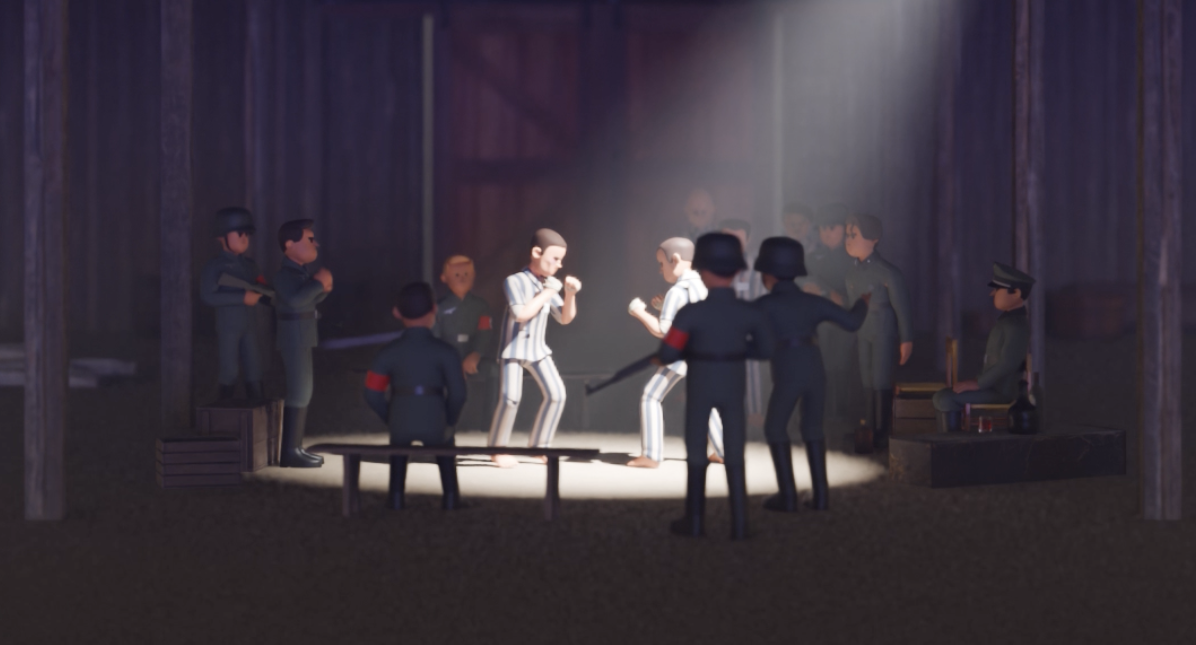
It refuses a triumphal close. It does not show the killing. It returns at the end to the older Salamo, not the young champion. Roger Ebert, reviewing the 1989 Hollywood feature on Salamo's life, wrote that it treated the camp as a setting for boxing rather than the other way around. This microshort is a deliberate answer to that critique.
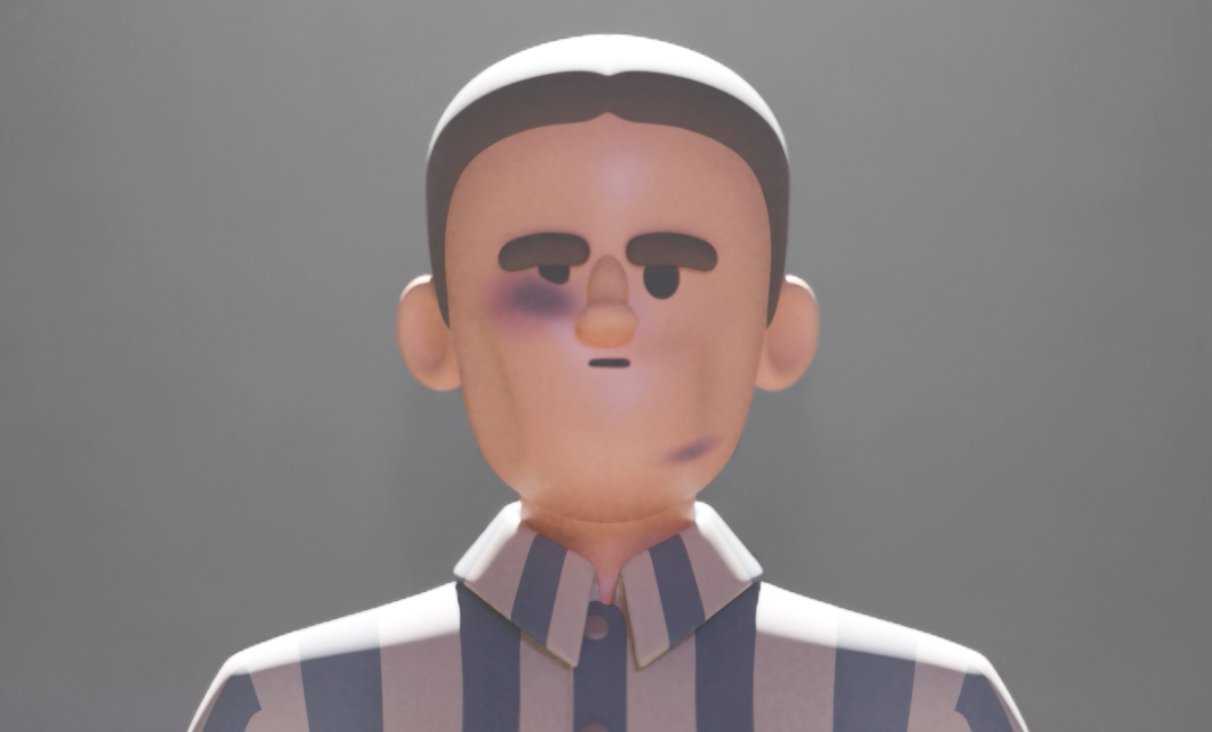
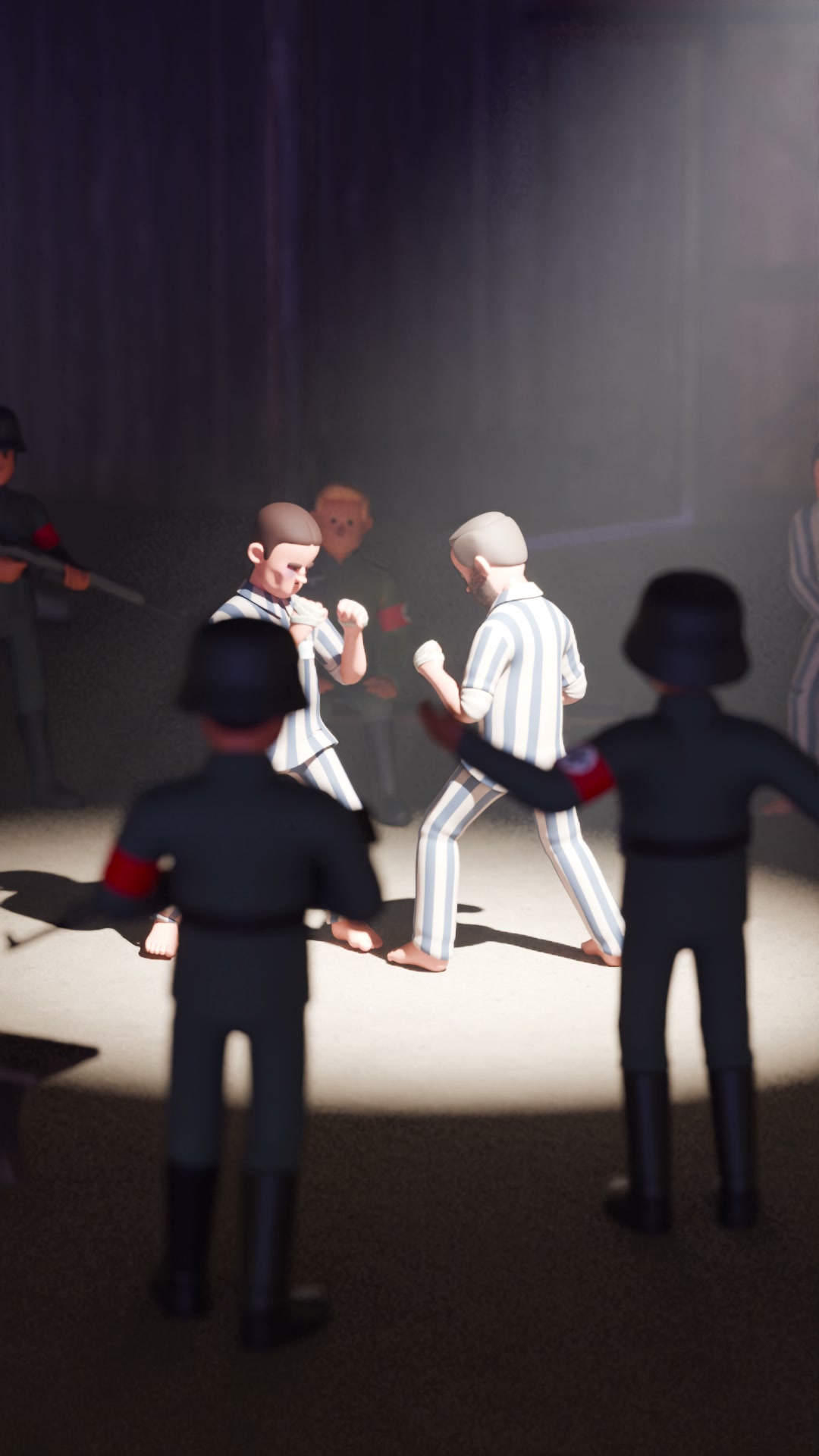
The film was hand-animated in 3D by a human animation team. It is not archival footage, and it was not made with AI. You may step out if needed. You may also disagree with the film's choices. That disagreement is part of the work.
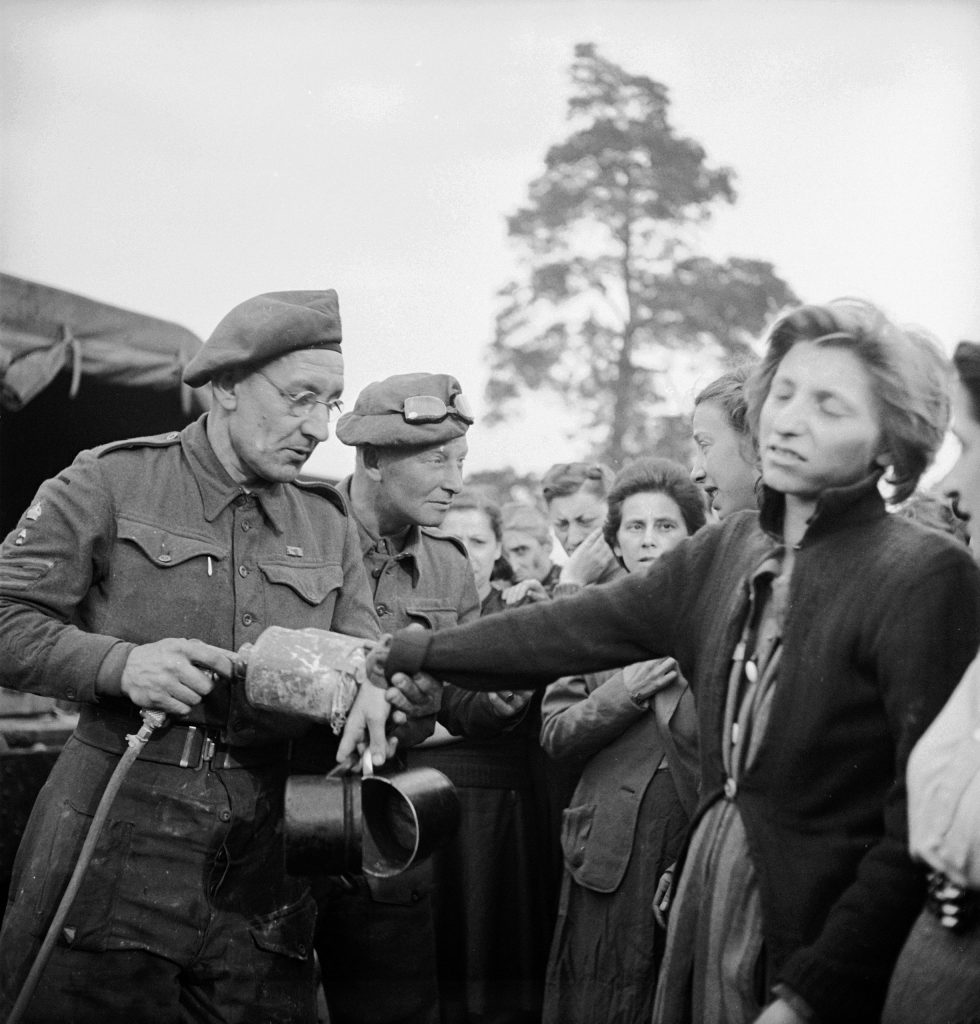
The argument must stay attached to names.
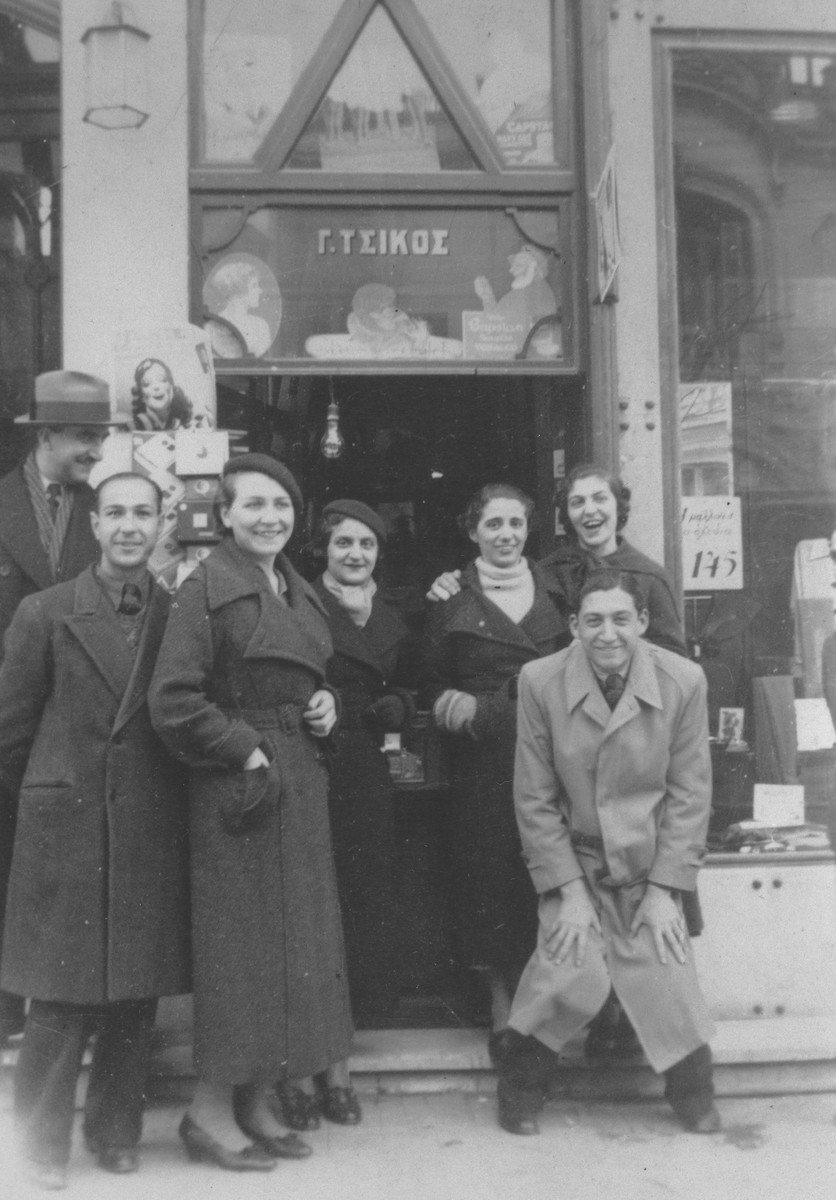
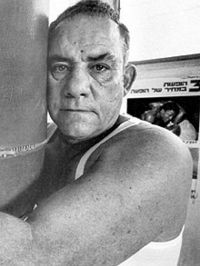
Salamo's name was kept. Avram's name was kept. Marta's name was kept. The names of more than two hundred men Salamo fought were not. If the debate becomes abstract enough to erase them, the debate has already failed.

Two serious frames. Two serious risks.
Choiceless choices
Lawrence Langer (1982): the camps imposed situations where no available option preserved moral agency. Survivors live afterward with what they did within those situations.
Critique of the frame
Some scholars worry the framework can flatten differences between victims into a single category of impossibility, and lift moral weight that survivors themselves did not lift.
This video has the microshort's original audio. The Listen button above plays separate lesson narration.
Watch it as a position, not only as content.
What does the film claim by refusing to dramatize the fights as sport and by returning at the end to the older Salamo rather than the young champion?
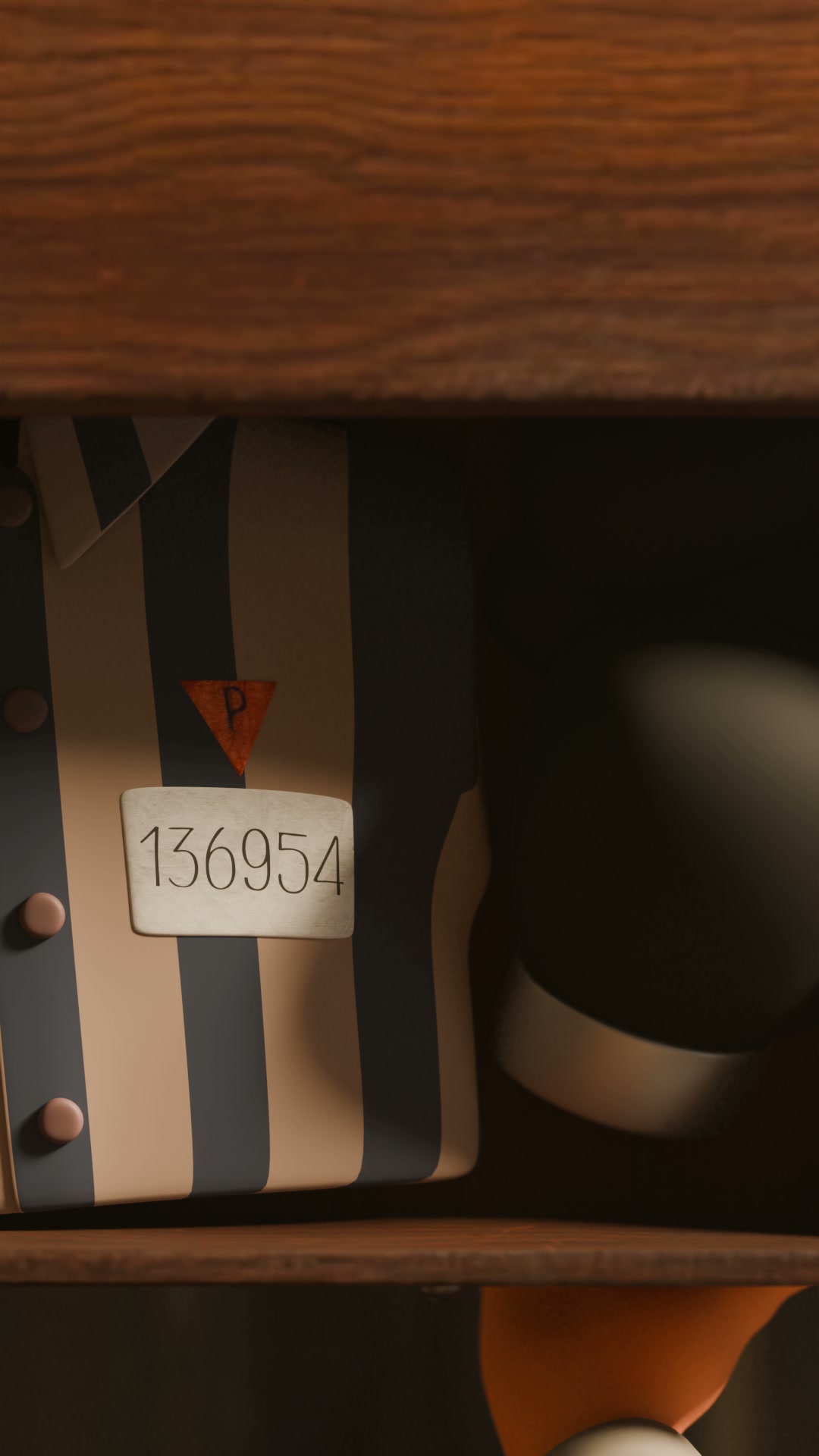
Name the residue before you argue.
One word. Then the analysis can begin.
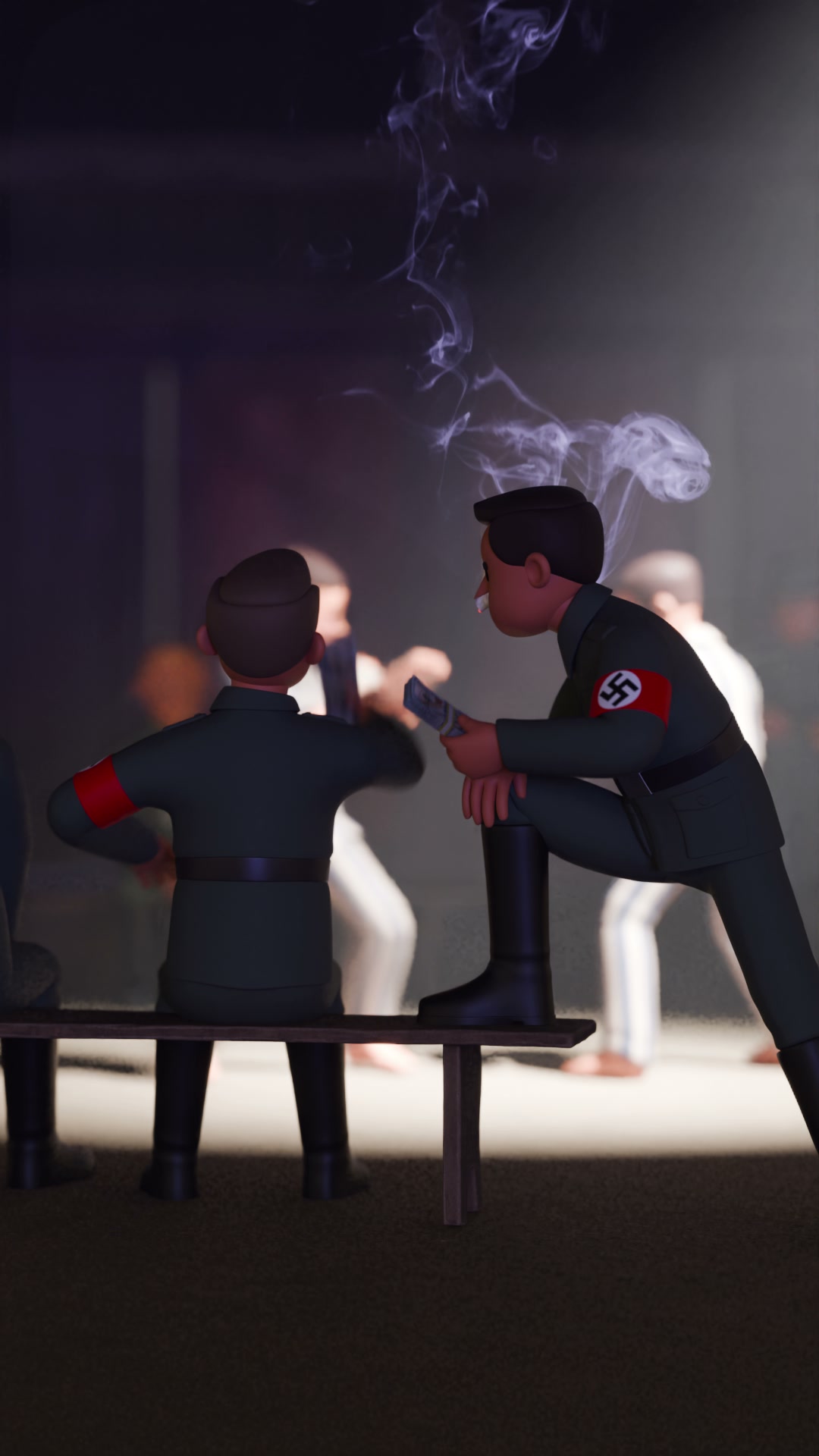
The ropes are not a metaphor. They are the apparatus.
Boxing is an Olympic sport. The same skill that made Salamo undefeated at Maccabi Thessaloniki (the Greek-Jewish sports club founded in 1908) kept him alive at Auschwitz. Cropping the camp ring into a sports image removes the conditions that produced the boxing.
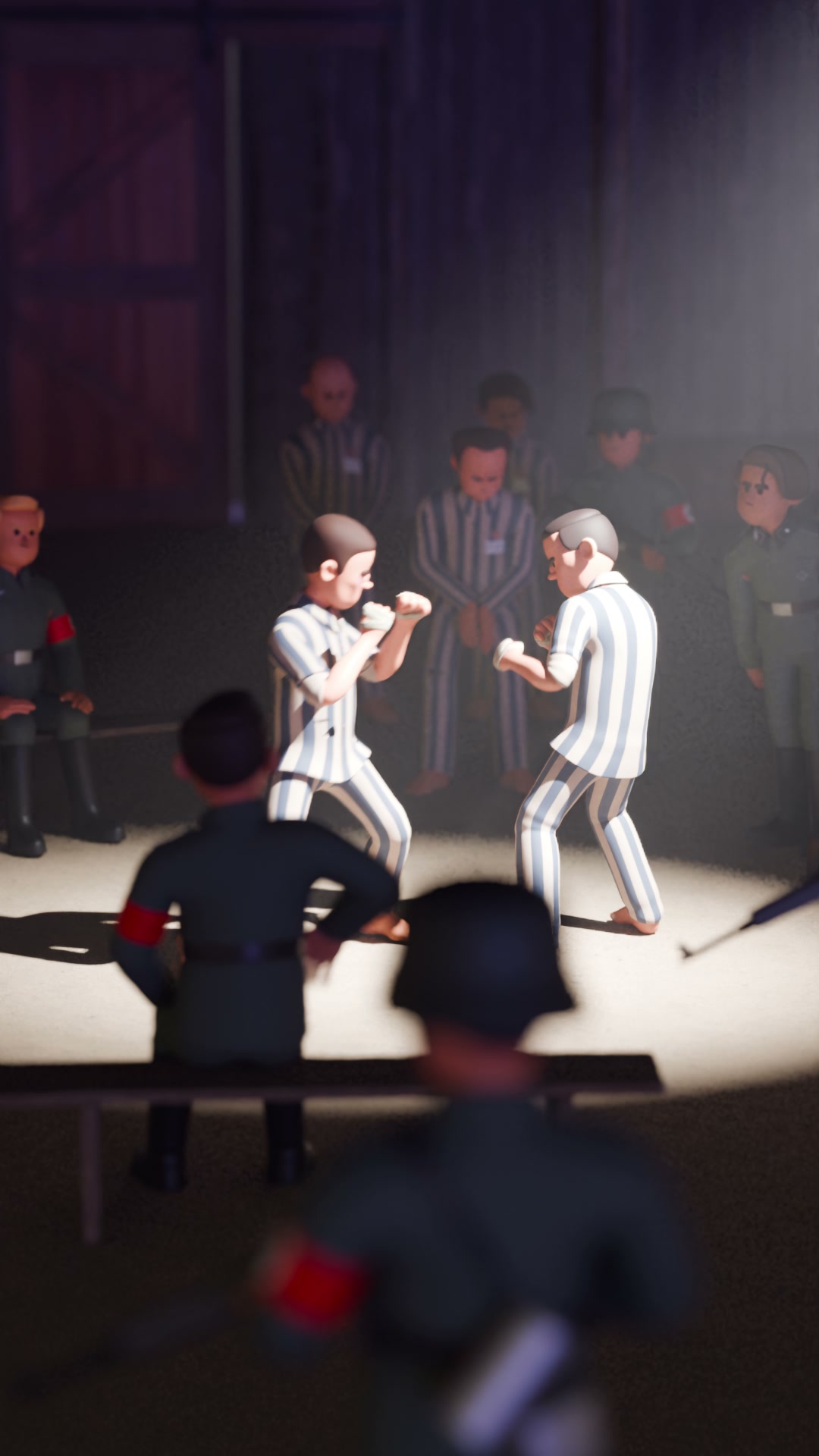
A vocabulary that refuses the comfort of judgment.
"Choiceless choices: situations where none of the available options preserves moral agency... where the very ground of choice has been removed." Lawrence Langer, Versions of Survival, 1982
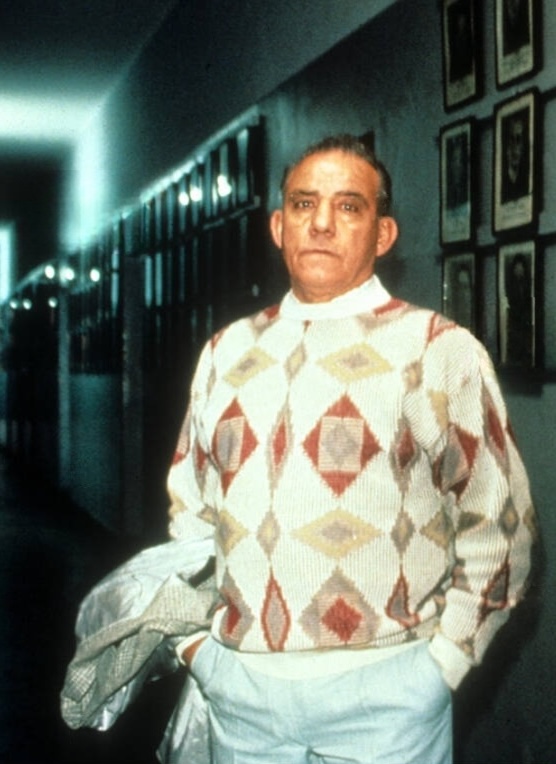
Can the word survival carry what actually happened?
Take a position that can survive the strongest objection from the other side.
Defend the frame you choose.
Your task is not only to make something. It is to explain why your form is ethically and historically defensible.
Choose the output you want to build.
Required move
Name what is gained by your representational choice.
Required cost
Name what is lost, risked, or made harder by that same choice.
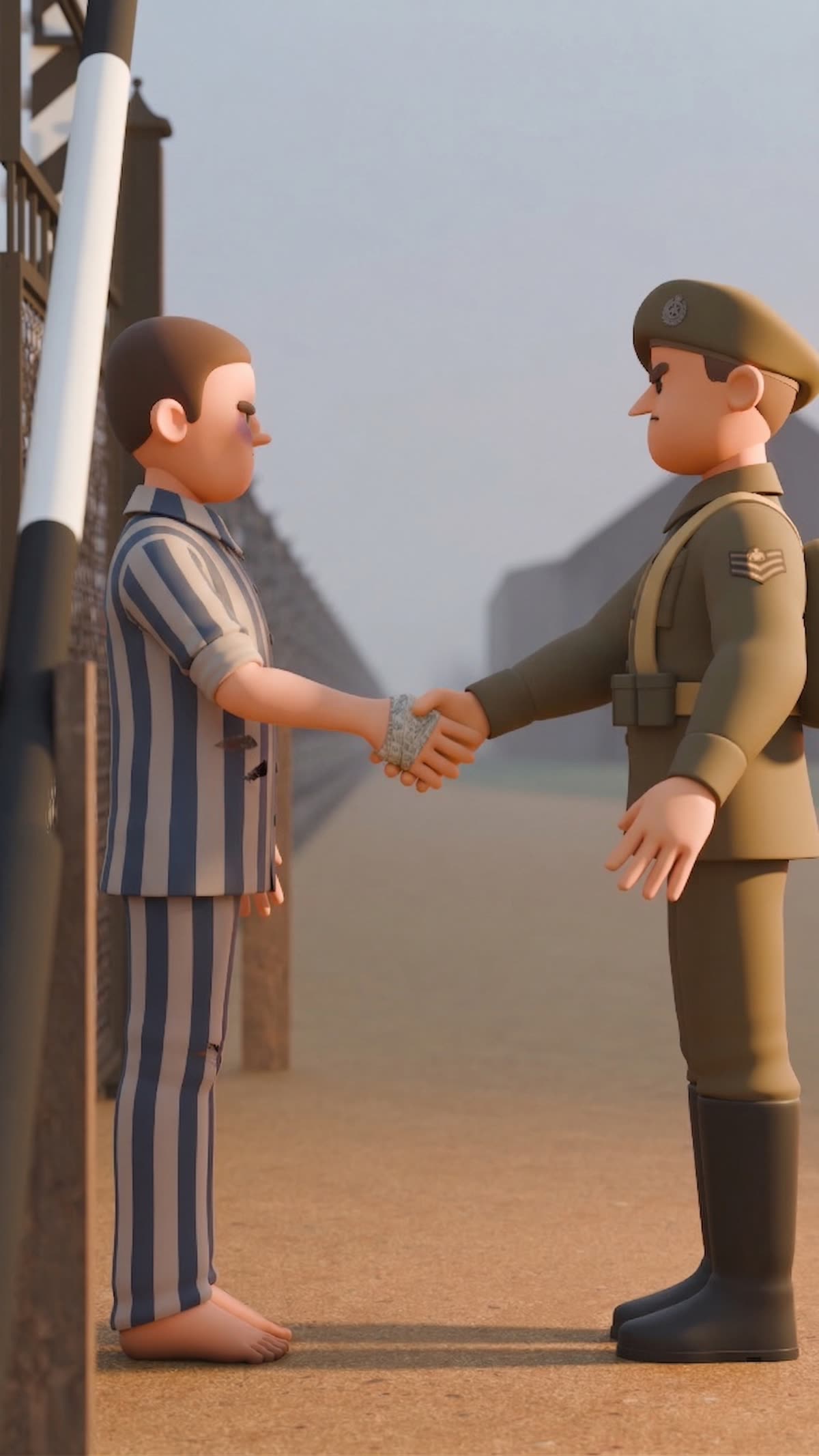
Leave with the disagreement intact.
Complete the frame as a position, not a mood.
The position I am most prepared to defend is ___. The most serious objection is ___. I take my position anyway because ___. What I owe Salamo Arouch and the men he fought is ___.