Before we begin
This story is true. The names are real. Read carefully. The people you are about to meet in 90 seconds were once as alive as you are.
Words to know before we watch
- Thessaloniki
- A port city in northern Greece. Home to the largest Sephardic Jewish community in the world for over four centuries, beginning in 1492, when Jews arrived as refugees from the Spanish Inquisition. By 1943, ninety-four percent of the community was murdered.
- Sephardic Jews
- Jewish communities originally from Spain and Portugal. Most Thessalonikan Jews were Sephardic. Their daily language was Ladino, a Spanish-Jewish language. Yiddish is a German-Jewish language in the same way.
- Auschwitz
- A Nazi concentration and extermination camp complex in occupied Poland. The largest site of the Holocaust: approximately 1.1 million people, most of them Jews, were murdered there between 1940 and 1945.
- Selection
- The process by which SS personnel at Auschwitz decided which new arrivals would be sent immediately to the gas chambers and which would be registered as prisoners. Most women, children, and the elderly were selected for death on arrival.
- Death March
- The forced marching of prisoners over long distances in brutal conditions, often through snow. In January 1945, as Soviet forces approached, the Nazis marched tens of thousands of prisoners out of Auschwitz; at least nine thousand died along the way.
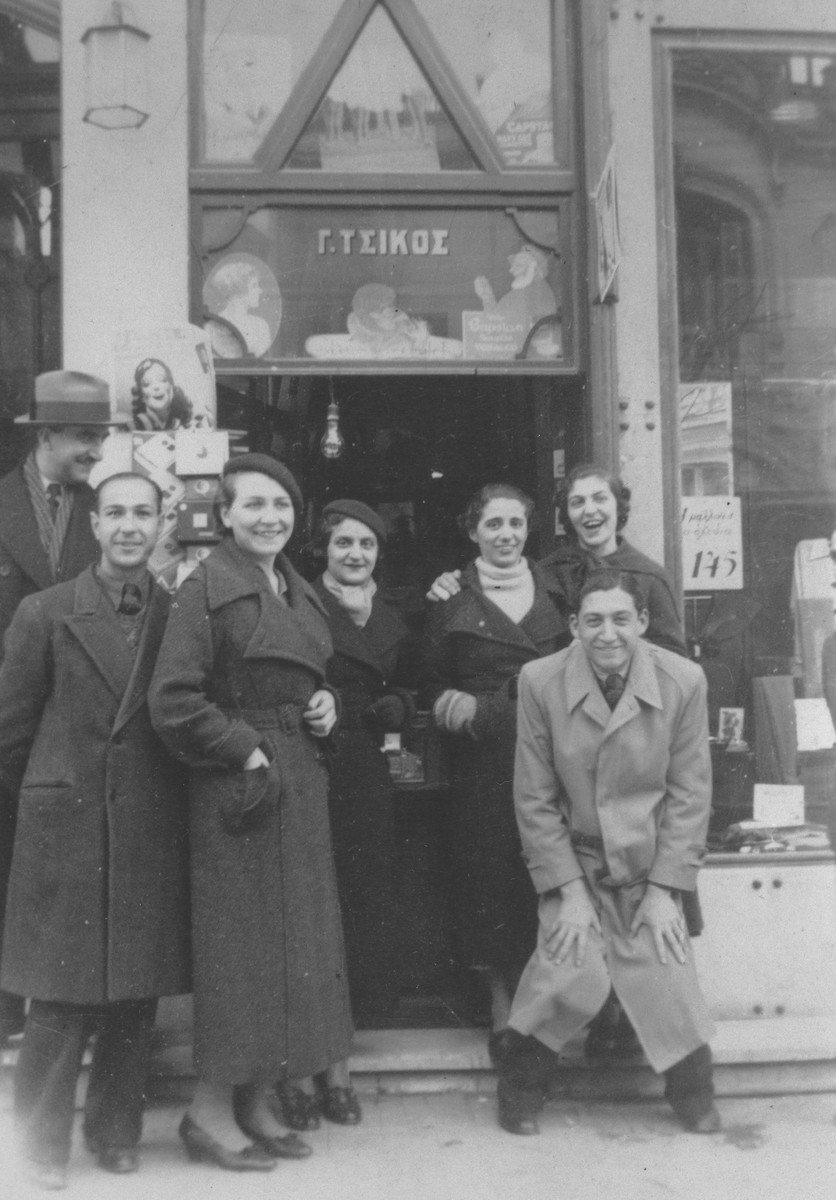
Young Jews of Thessaloniki, 1930s · the city before the deportations
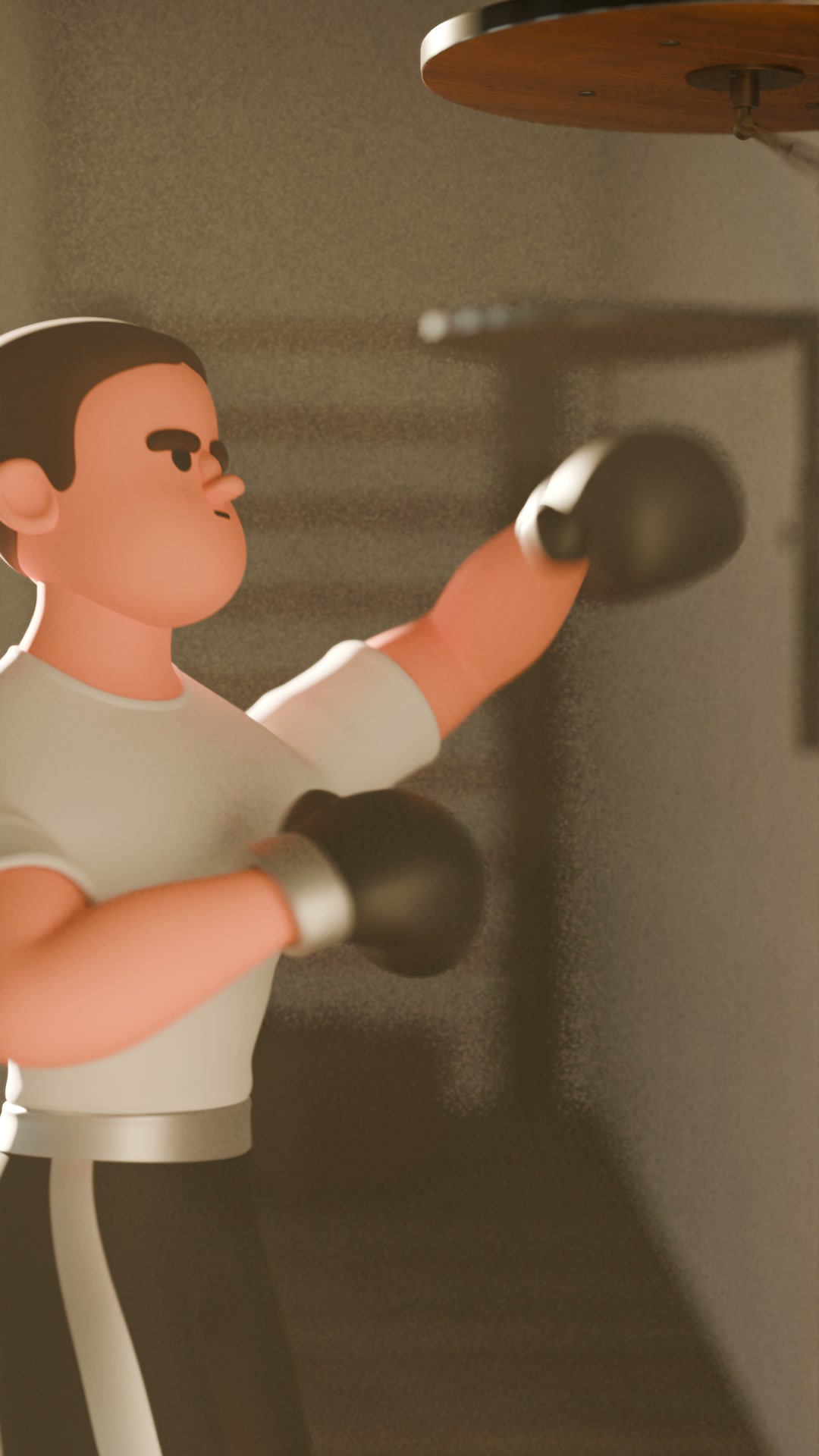
Young Salamo boxing in Thessaloniki, as depicted in The Boxer
Predict
Prediction Prompt · before we watch
Imagine you had a skill. It was something you were really good at. Then one day someone told you that the only way to stay alive was to use it against other people who were suffering just like you. Write two or three sentences about what you would think about before you made a decision.
The 90-second microshort
A heads-up before pressing play
The film is 90 seconds. It shows Salamo's life before the war, his deportation to Auschwitz, the forced fights at the camp, and his liberation. The fights are stylized. There is no graphic blood, no shown injury, and no depiction of what happens to the fighter who loses. That fate is shown by an empty floor in the next shot. The deaths of Salamo's family are told in voice-over; nothing is shown.
If you need to step outside at any point, you can. You don't have to explain. You can come back when you're ready.
Watch the film now
Open The Boxer on the class screen, or follow the link your teacher provides.
Hold onto your prediction.
Analyze
Affective Check-In · first
One word for what you felt. Not analysis. Just noticing. Your teacher will collect 4–6 words from around the room.
Discuss
Answer these questions first in writing on your own (5 minutes). Then talk with a partner (5 minutes). Then your class will discuss together.
Comprehension Questions
- Who was Salamo Arouch before the war? Where did he come from, and what was he known for?
- What happened to his family when they arrived at Auschwitz? Describe what the film tells us about each person.
- Why do you think Salamo raised his hand when the SS asked if anyone could fight? What did he gain by doing so, and what did it cost?
- The film says that when Salamo won a fight, he knew what it meant for the man across from him. Put that idea in your own words. Why is this different from a normal boxing match?
Moral Reasoning
- At the end of each fight, Salamo does not celebrate. He stands alone in the ring and looks down. Why do you think the filmmakers chose to show him this way instead of with his arms raised?
- Salamo was twenty years old when he was deported. He lost his mother, his three sisters, his father, and his brother in a matter of days. Do you think a twenty-year-old should ever have to face choices like the ones he faced? Why or why not?
- Some stories about the Holocaust make the audience feel good at the end. The hero triumphs. The music swells. This film does not do that. Why might the filmmakers have decided to end with Salamo alone, looking down, instead?
- If you had to decide whether to tell someone else a story like Salamo's, what would you want them to take away from it? Name at least two things.
Investigate Further · what the film does not answer
A question the film leaves open. Take it home; come back with what you found.
- The film tells you that Thessaloniki was home to one of the oldest Jewish communities in the world, and that 94% of the community was murdered. But the film tells you the story of only one Thessalonikan Jew. His name is Salamo. Using Yad Vashem's Pages of Testimony or USHMM's Salonika article, find one other Thessalonikan Jew (a child, a rabbi, a teacher, anyone) whose story has been preserved. Bring back their name, one detail about their life before 1943, and what is known about what happened to them. Then write 3 sentences on what is different about learning about a person through your own research versus meeting them in a film.
Create
Choose one of the three options below. Allow about 20–25 minutes, or work on this as homework if your teacher prefers.
Option A · Letter to Avram
Salamo's older brother, Avram, was shot in the camp for refusing to extract gold teeth from the corpses of the dead. Avram chose death over taking part in the machinery of murder. That refusal is one of the clearest moral acts in this story.
Write a short letter to Avram from his younger brother Salamo, written years after the war. Your letter should include:
- What Salamo wishes he could have told Avram while Avram was still alive
- Something Salamo learned from the way Avram died
- A question Salamo would have asked Avram if he could
Option B · Personal Narrative
Salamo did something extremely hard because the only alternative was worse. Write a short personal narrative about a time you had to keep going with something difficult because the cost of stopping would have been too high. Focus on the decision itself. What did you weigh? What did you carry afterward?
Option C · Salamo Alone
The film shows a moment after one of Salamo's wins: he stands alone in the center of the ring, head down, hands heavy at his sides. The fallen opponent is not shown. The crowd is blurred. Describe that moment in your own words. What does the ring look like? What does Salamo's face show? What does the air feel like? Then write three sentences about what he might be thinking right at that moment. Is he thinking about the fight? About his family? About tomorrow?
Reflect
Affective Consolidation · first
Take 30 seconds. Say one word out loud for what you're carrying right now. Don't analyze it, just name it.
One-Sentence Takeaway
Write the single most important thing you are taking away from this lesson in one complete sentence. Then answer: Where do you see a connection between Salamo's story and something happening in the world today? Your connection can be about survival, about the cost of what people do to get through impossible situations, about how we tell stories about suffering, or about the communities that disappear from history when no one is left to remember them.
Exit Prompt
Complete both parts on a notecard or in your journal:
1. The most important thing I'm taking from this story is: ___
2. This connects to what's happening today because: ___
Closing discussion
Your teacher will ask: "Whose connection to today surprised you? What did they say?" Listen to a few voices from around the room. Most students will think about one of a small number of themes. Those themes are survival, witness, communities that disappeared, and what people do to get through. You don't have to agree on which part of this story matters most. You do have to remember it.
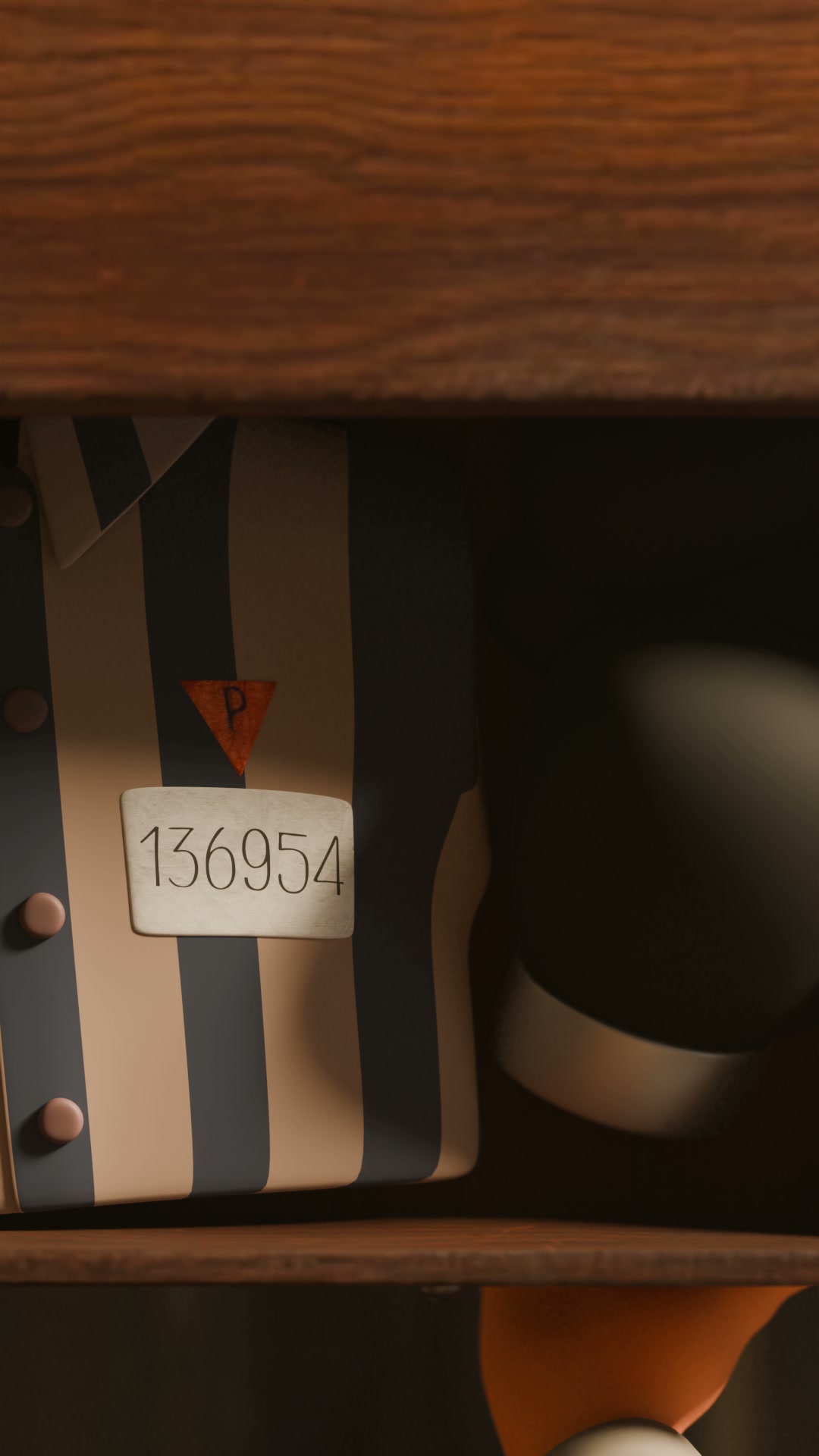
Prisoner 136954. Salamo Arouch carried that number on his left forearm for sixty-four years after the war.
After liberation, Salamo met his wife Marta in the camp hospital. They married in November 1945, had four children, and were married sixty-four years until his death on April 26, 2009, at the age of eighty-six. He carried the weight of every fight for the rest of his life. That is not a metaphor.
"We fought until one went down or they got sick of watching. They wouldn't leave until they saw blood."Salamo Arouch (1923–2009), interviewed in People, 1990
Make your own microstory
A short original work in any medium, modeled on the craft of this series. Your medium could be film, writing, audio, comic, poem, or song. The constraints are the lesson; the medium is your choice.
Pick a subject
Pick one person whose story matters to you:
- Another person from Thessaloniki, Rhodes, Corfu, or another Sephardic Jewish community lost in the Holocaust.
- Another camp prisoner whose story has been preserved (you can find names in Yad Vashem's Pages of Testimony).
- A person from your own family or community who carried something difficult forward.
Ask your teacher to approve your subject before you start.
The rules for every medium
- One person. Not "the Holocaust." One specific person, with a name.
- Hook first. Your first sentence (or first shot) must commit. No throat-clearing.
- Hard limit. Pick your medium and stay inside its cap (see below).
- One real thing. Your work must mention or show at least one real artifact. That could be a photo, a document, or an object. Say where you got it.
- No invented words from the dead. If you don't know what a real person said, don't make it up.
Pick a medium
- Short film or video · up to 90 seconds.
- Flash fiction or short essay · up to 250 words.
- Poem · up to 20 lines.
- Spoken-word or audio piece · up to 90 seconds.
- Comic or illustrated sequence · up to 6 panels on one page.
- Photo essay · up to 5 images from public archives, with captions.
Submit a one-paragraph reflection with your work
Your reflection (4–6 sentences) should answer:
- Why did you choose this person?
- What is the real artifact (the primary source) you used, and where did it come from?
- What is the one thing you most wanted the reader or viewer to feel or know?