Four
Photographs
You are not going to read this all at once. You are going to move through it one image, one decision, one question at a time.
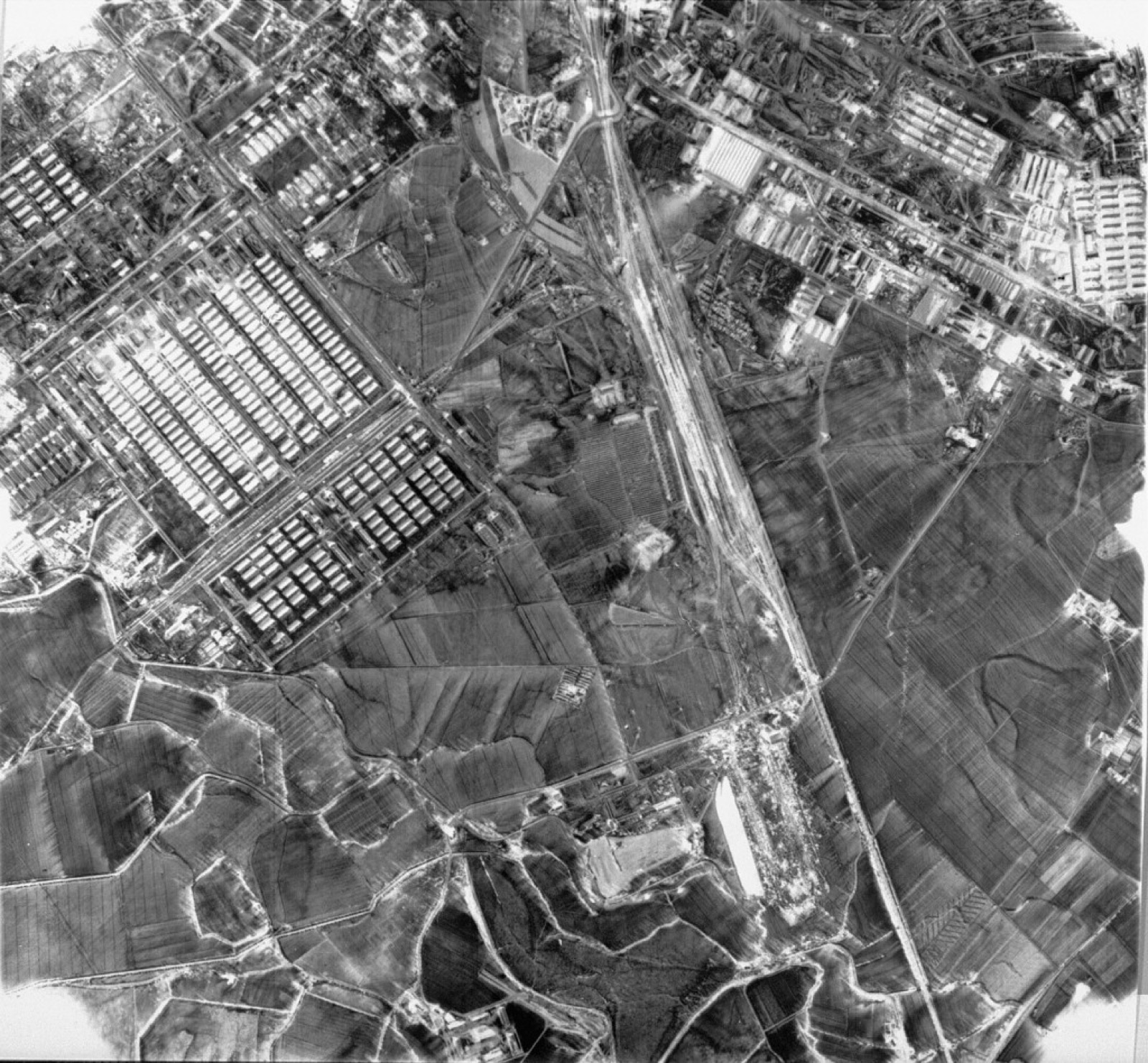
Know the ground before you step onto it.
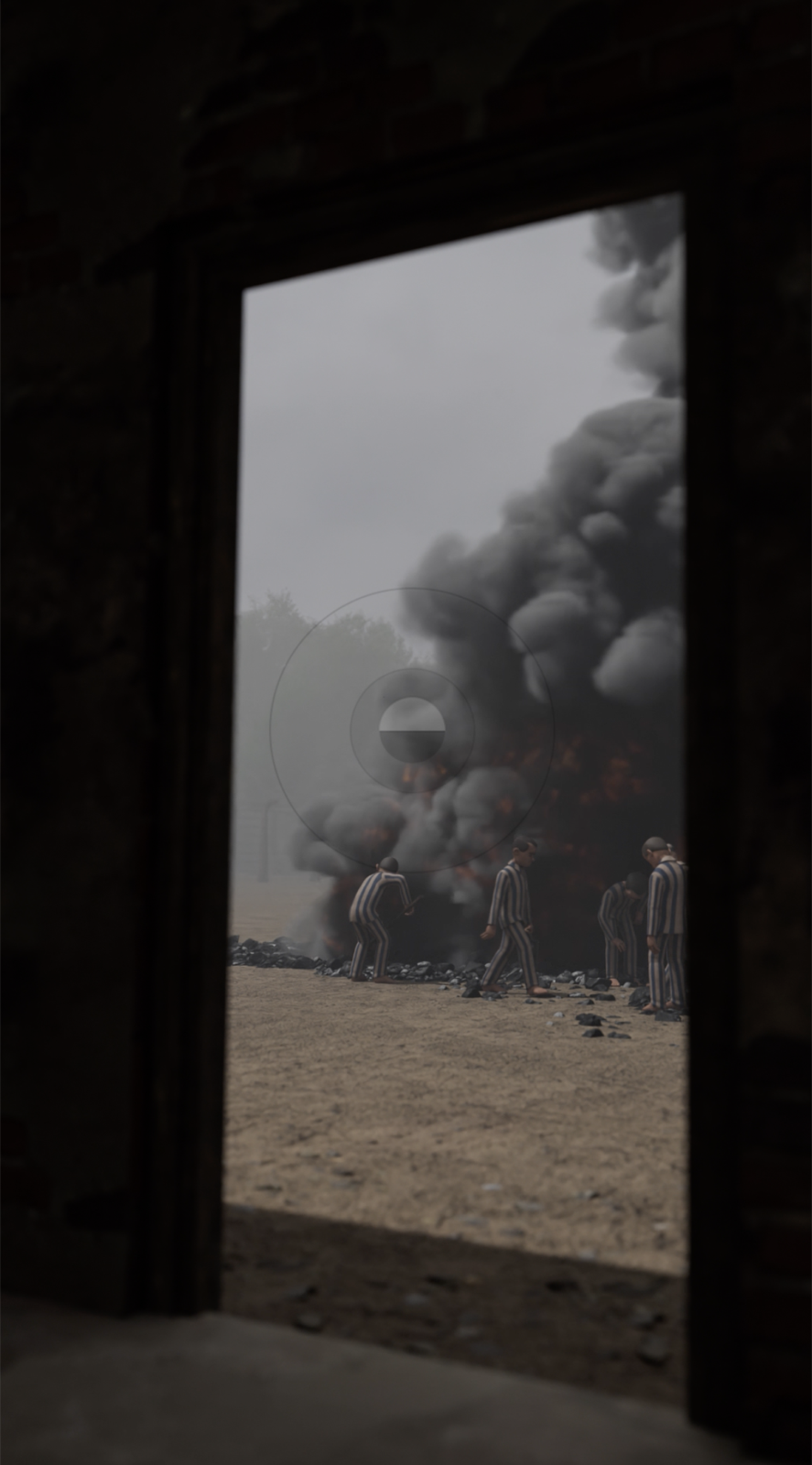
The film is 90 seconds. It shows smoke, distance, fear, and the act of taking photographs inside Auschwitz-Birkenau.
It does not show recognizable victims' faces or graphic close-ups. If you need to step outside, you can do that without explaining yourself.
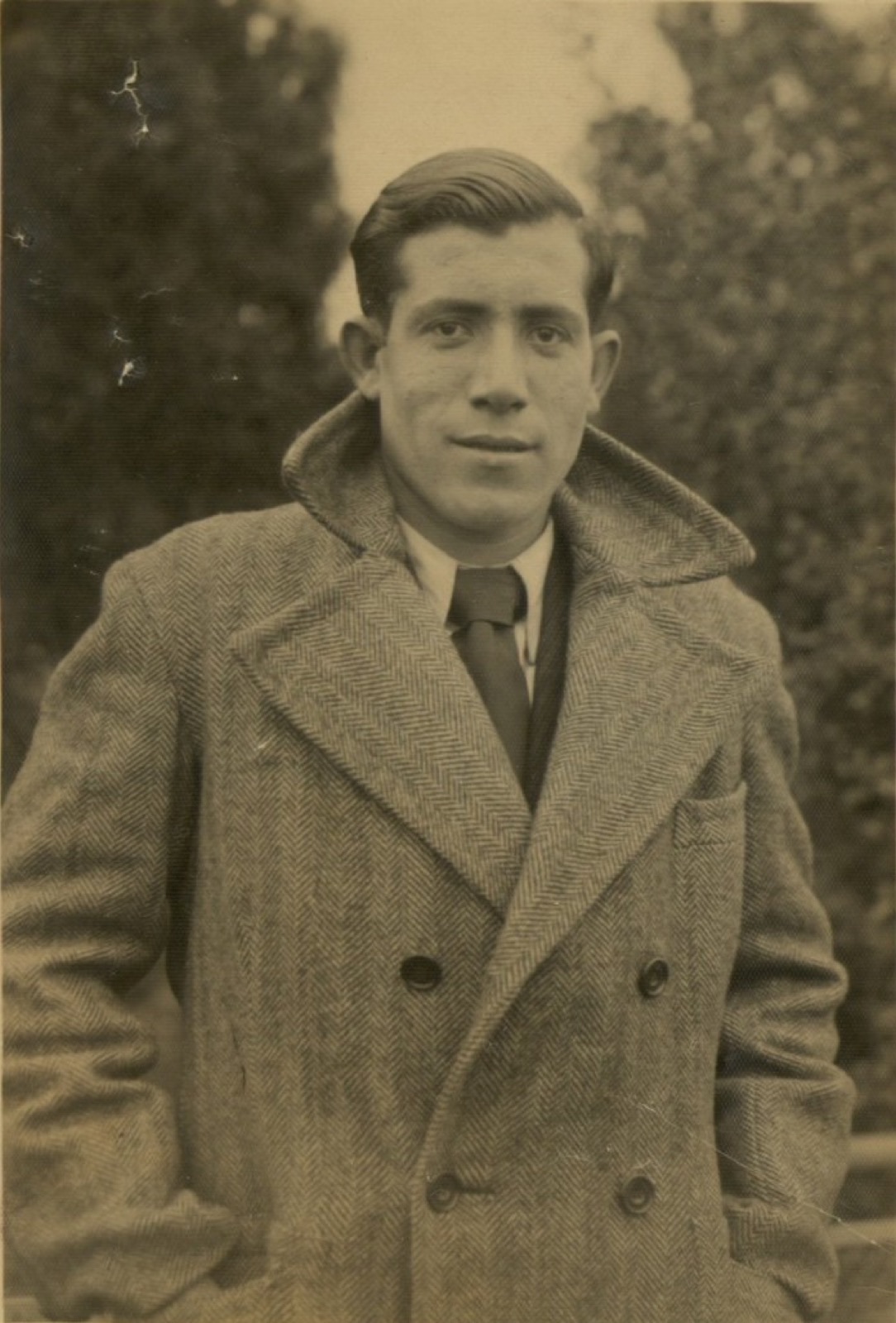
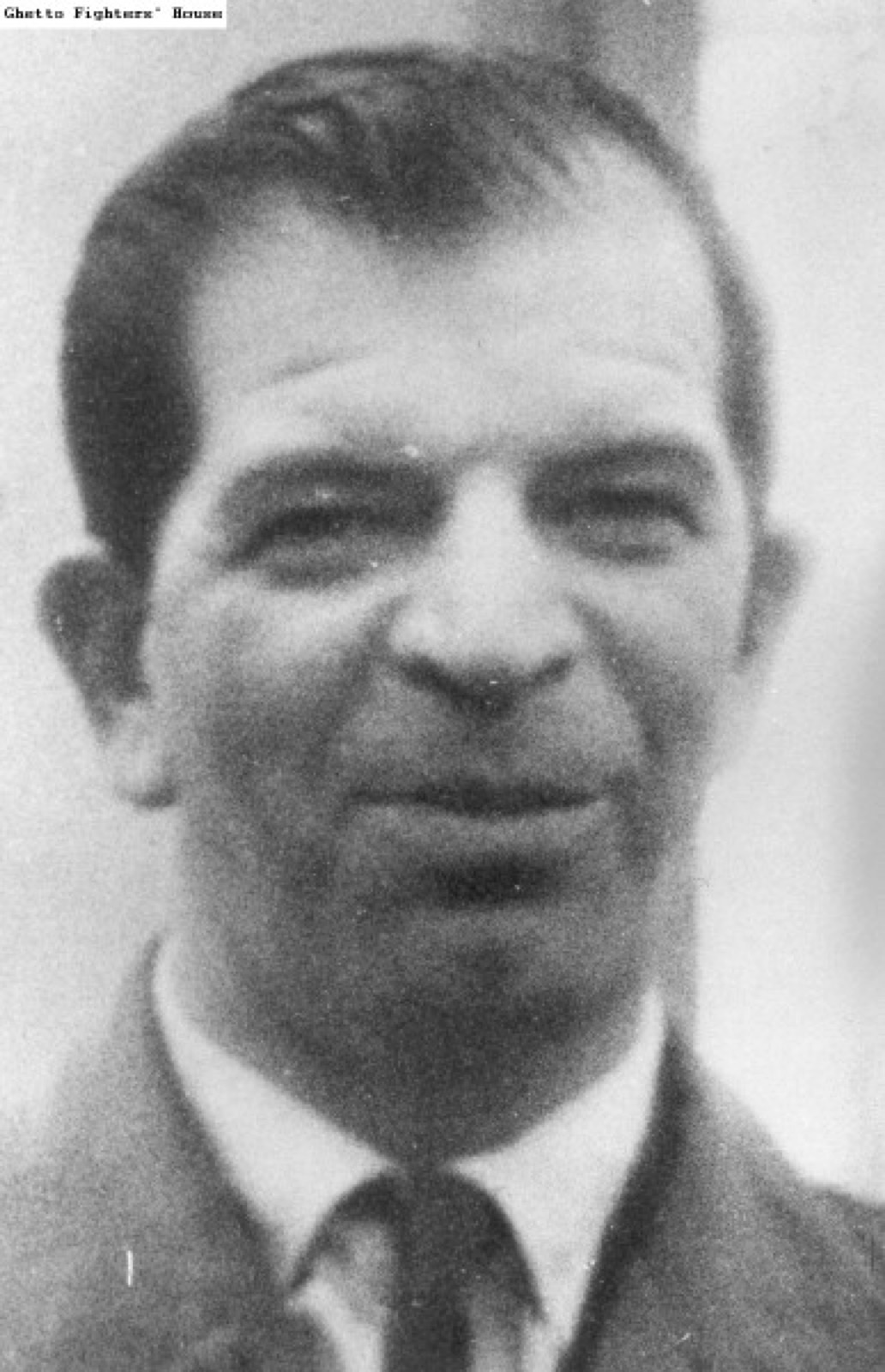
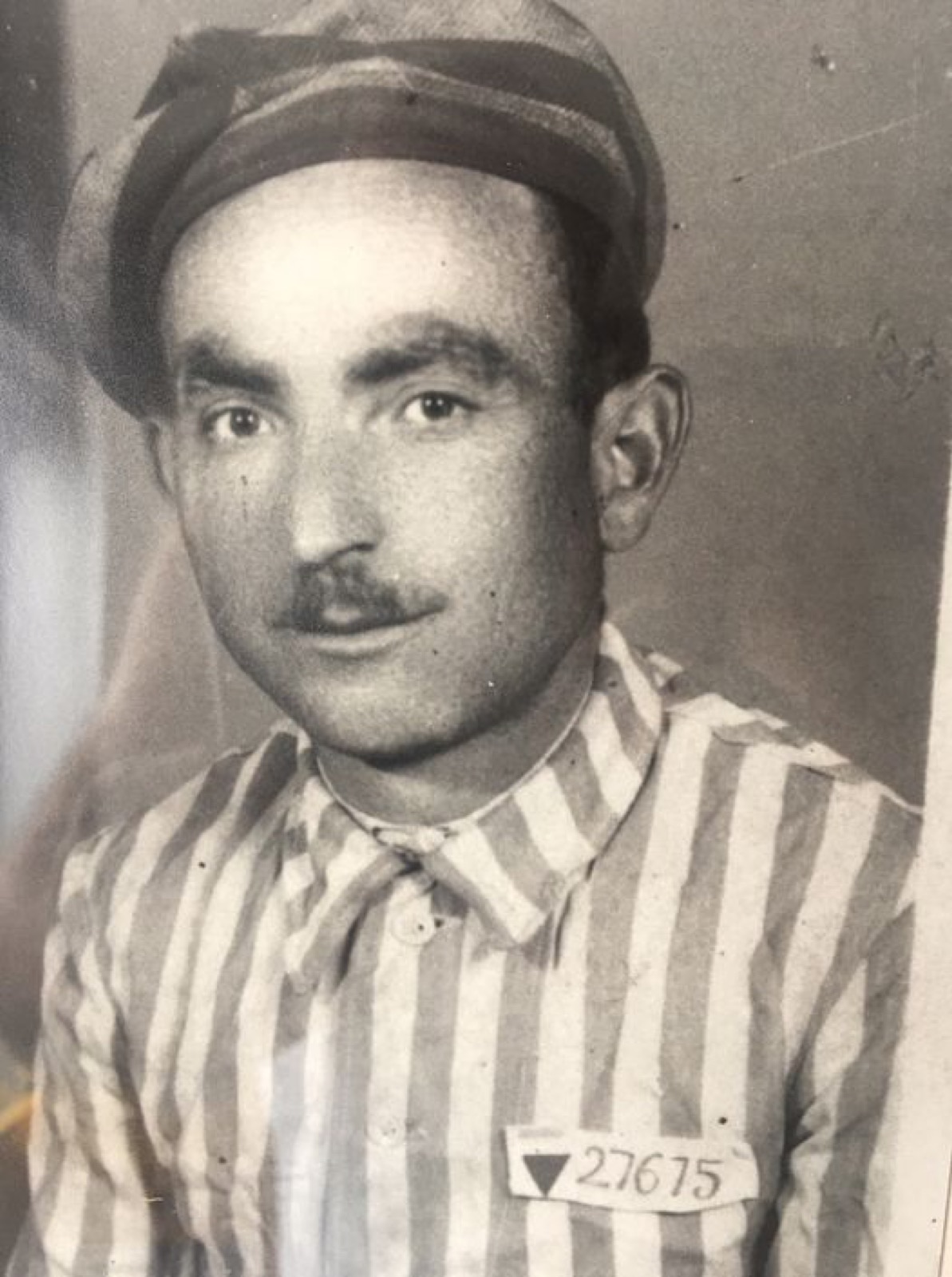
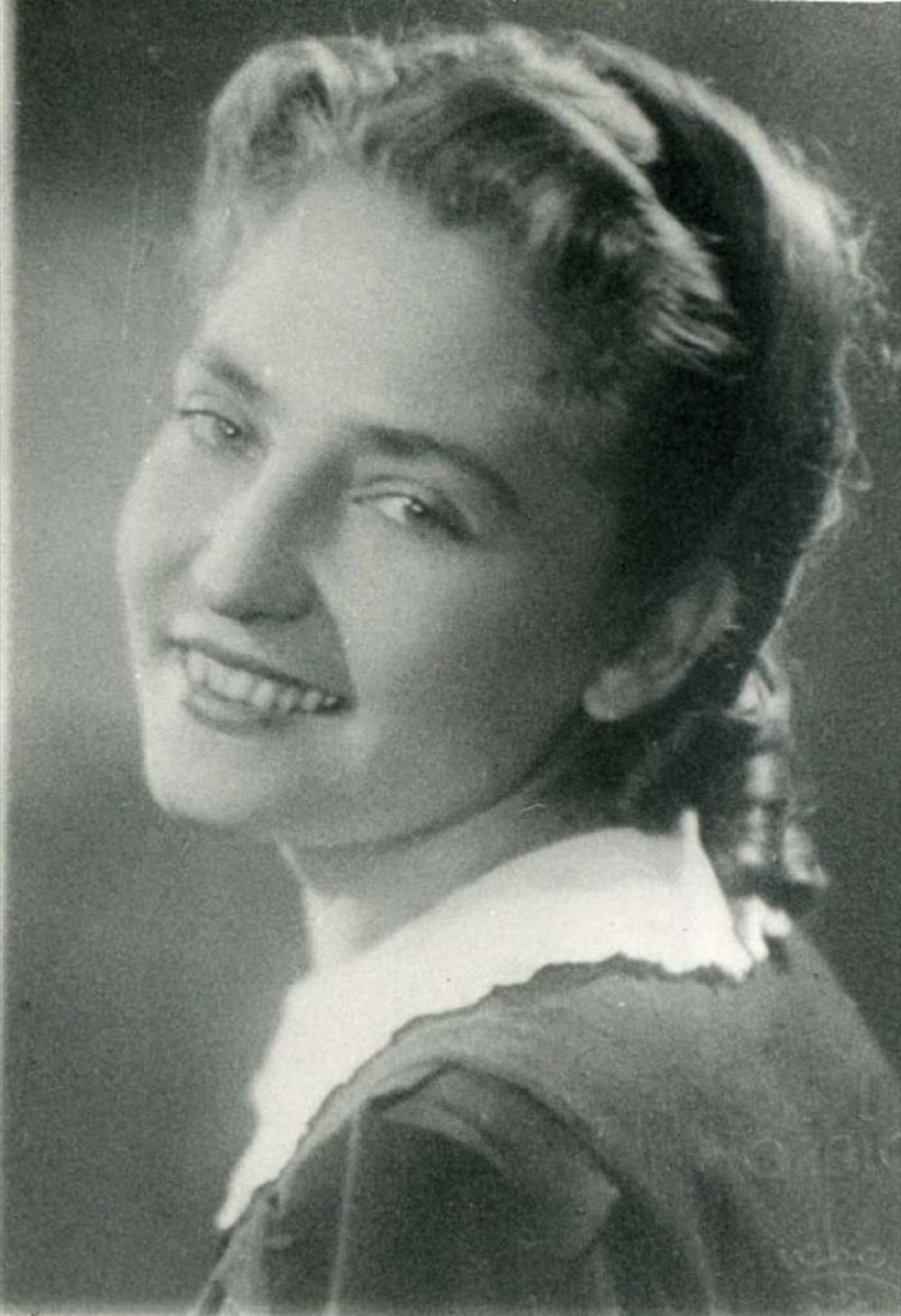
Not a topic. People.
Before the camp, before the photographs, before the argument, there are names. Each person made one part of the evidence possible.
Why take the risk?
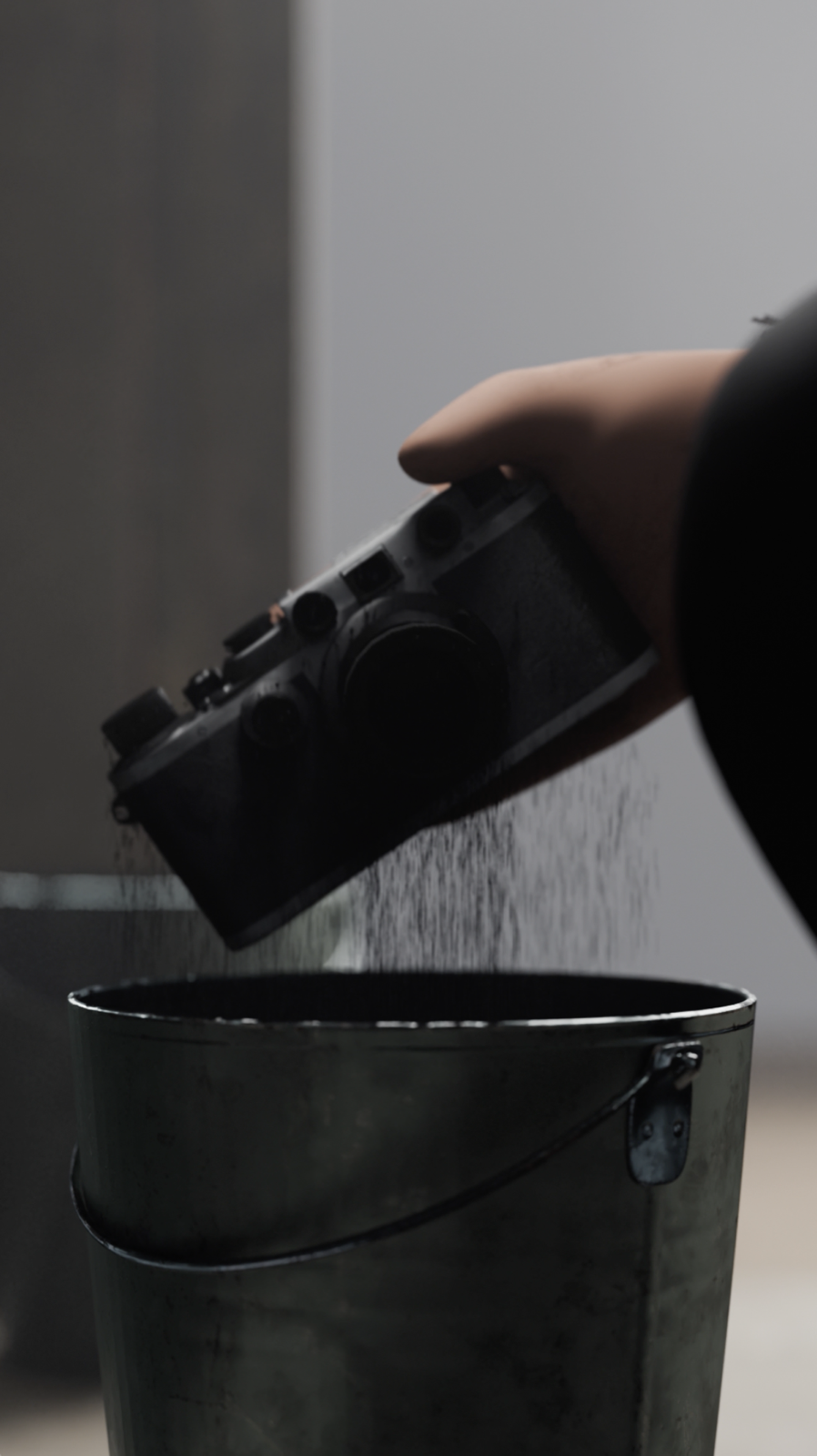
Errera could not raise the camera to his eye. If a guard saw him, he could be killed on the spot.
Why would prisoners risk their lives to take photographs from inside the camp? What did they hope would happen?
This video has the microshort's original audio. The Listen button above plays separate lesson narration.
Watch for one thing: the moment evidence is made.
As you watch, do not try to catch every fact. Track the camera: where it is hidden, how it is held, where the film goes.
No analysis yet.
One word for what you felt. Not a speech. Not a thesis. Just a word.
Look at one photograph at a time.
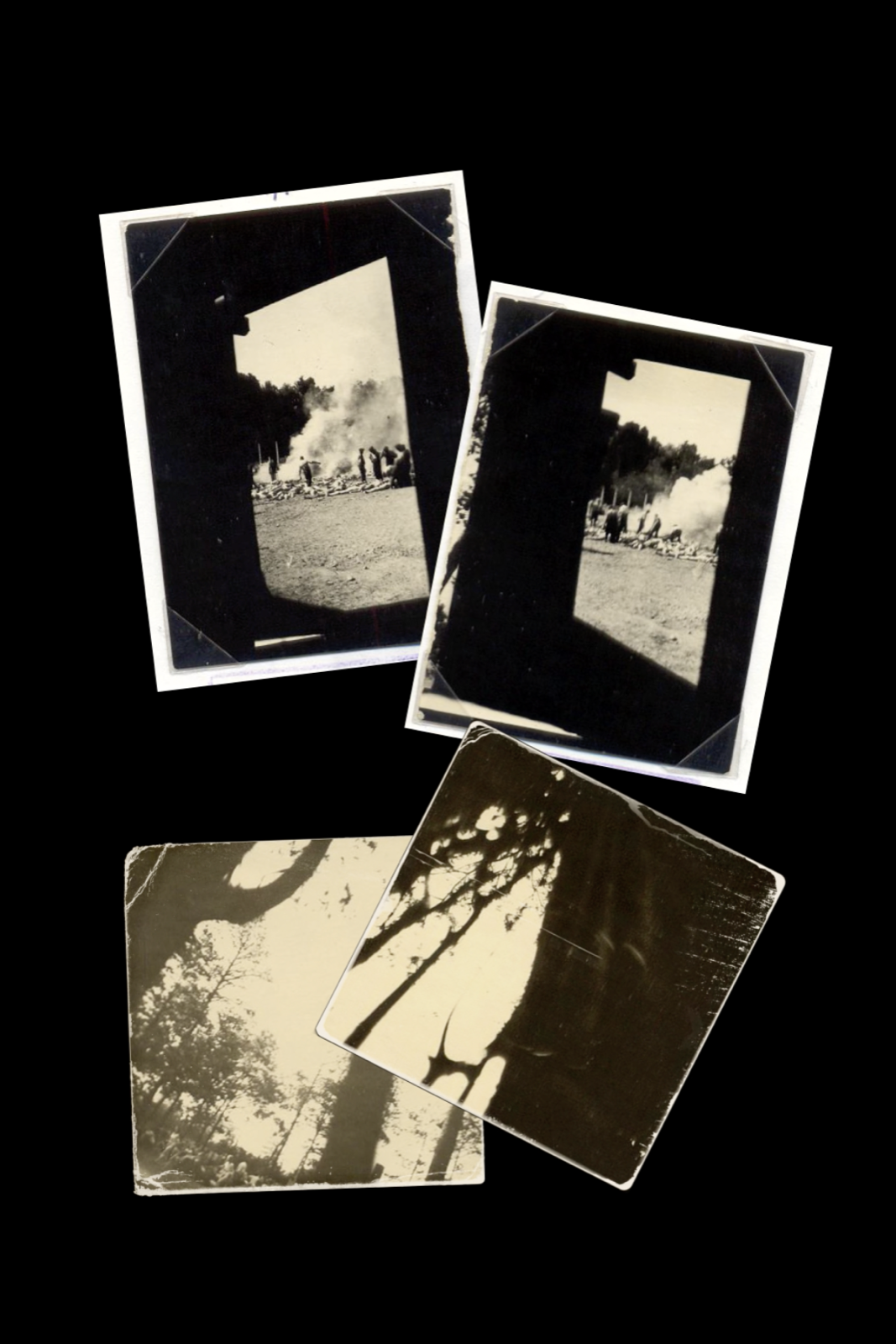
The uncropped versions keep the doorway and the failed aim. Those details are not mistakes to hide. They are part of what proves the situation.
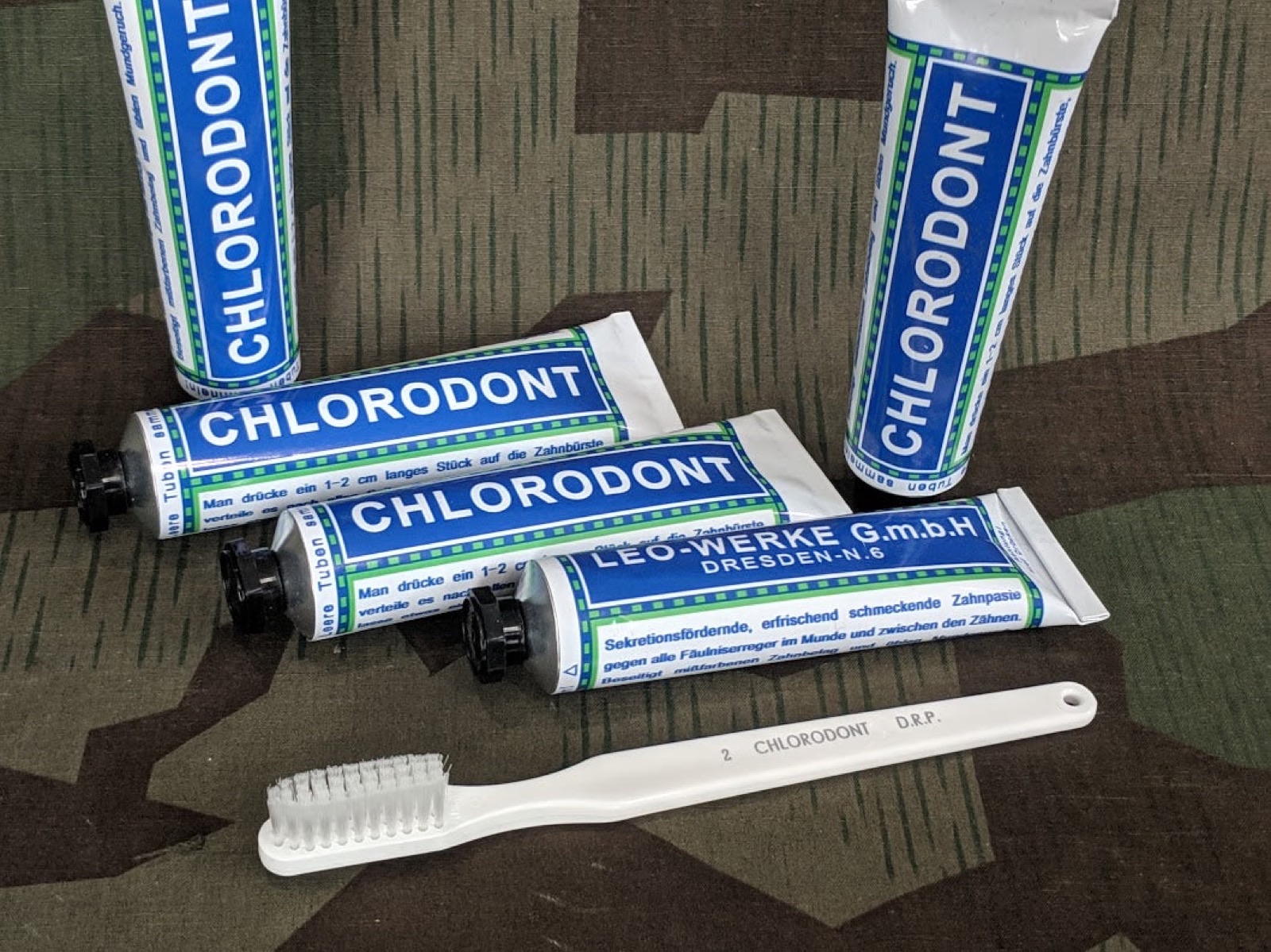
The note says what the photographs were for.
"Urgent. Send two metal rolls of film... Have possibility of taking photos. Sending you photos from Birkenau - from the gas chambers." Jozef Cyrankiewicz and Stanisław Kłodziński, September 4, 1944
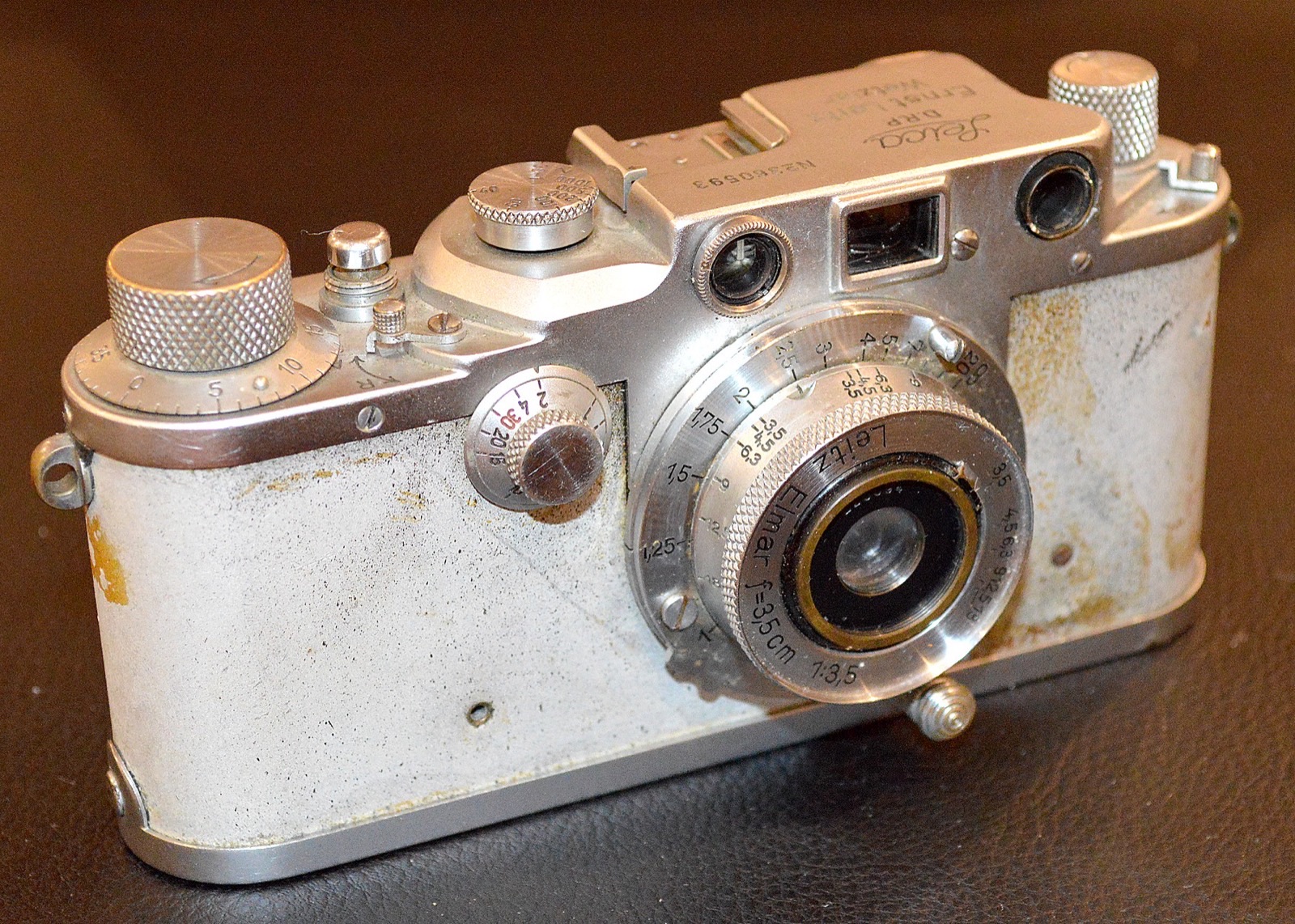
Is making evidence a form of resistance?
There is not one sentence in the film that tells you what to think. You have to build the claim from what you saw.
Make a microstory.
Choose a person who made a record of something others wanted hidden. Keep it short enough that every choice matters.
Pick a medium.
Must include
One named person, one primary-source anchor, and a hook that starts immediately.
Must avoid
No invented dialogue from people whose words were not documented.
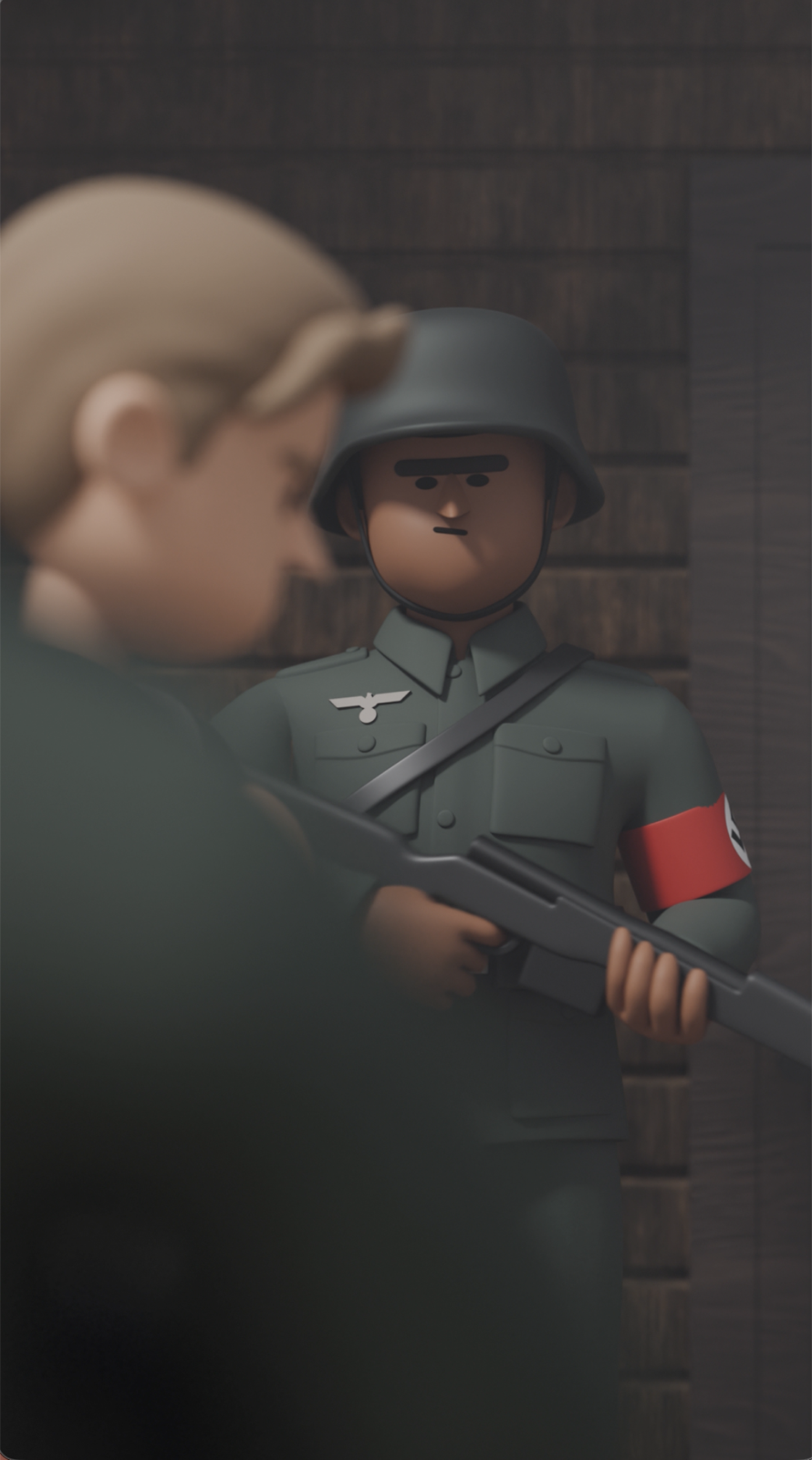
What changed in your understanding?
Complete the frame. Be specific enough that tomorrow you would still know what you meant.
Before this film, I thought evidence of the Holocaust came mostly from ___. Now I understand it can also come from ___. The hardest part of this story for me is ___ because ___.