Four
Photographs
This is not a long reading disguised as a webpage. It is a sequence of positions you will have to take, revise, and defend.
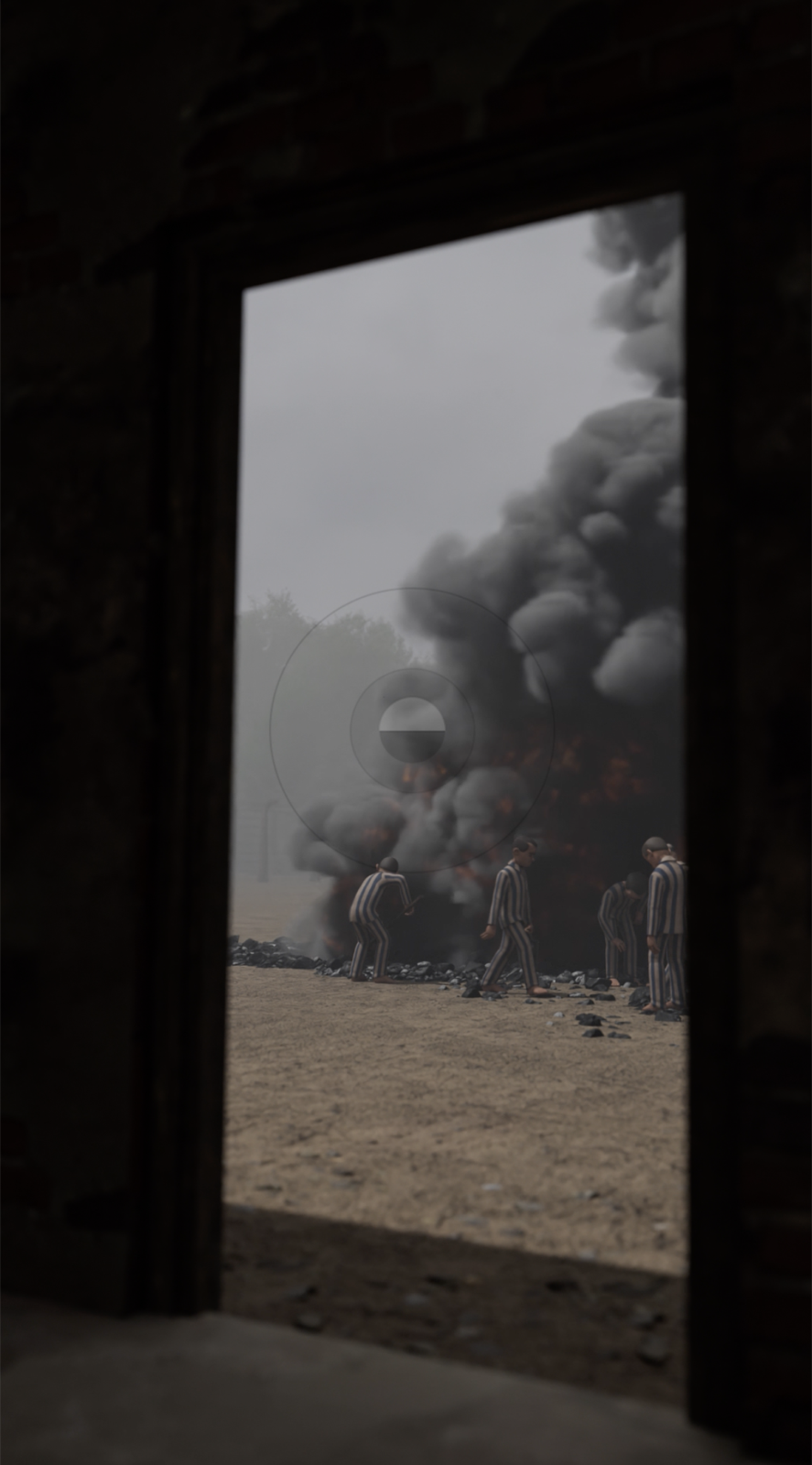
The film makes an ethical claim before you do.
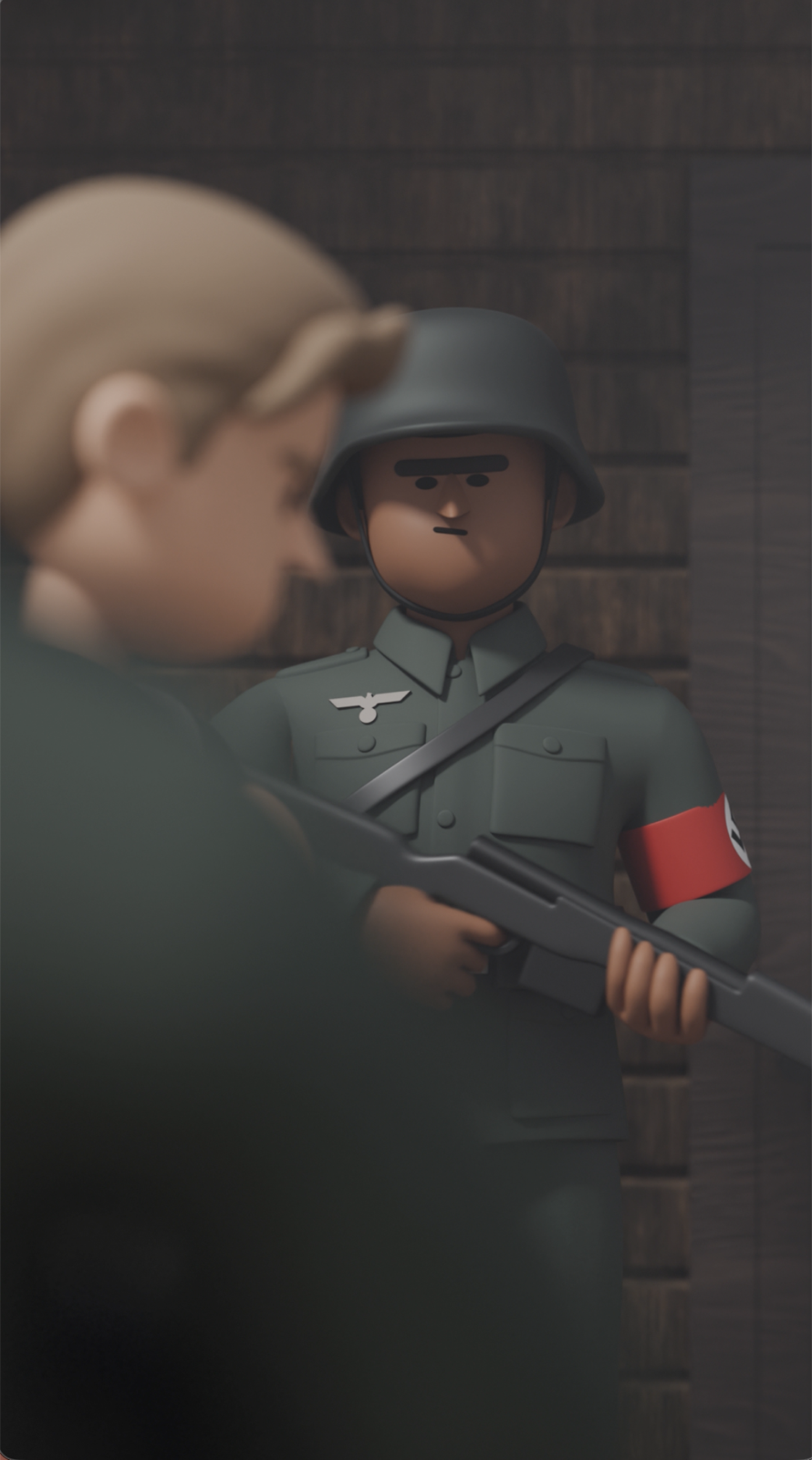
It chooses stylized animation instead of photorealism. It withholds faces. It shows the real photographs only after the act of taking them has been reconstructed.
You may step out if needed. You may also disagree with the film's choice. That disagreement is part of the work.
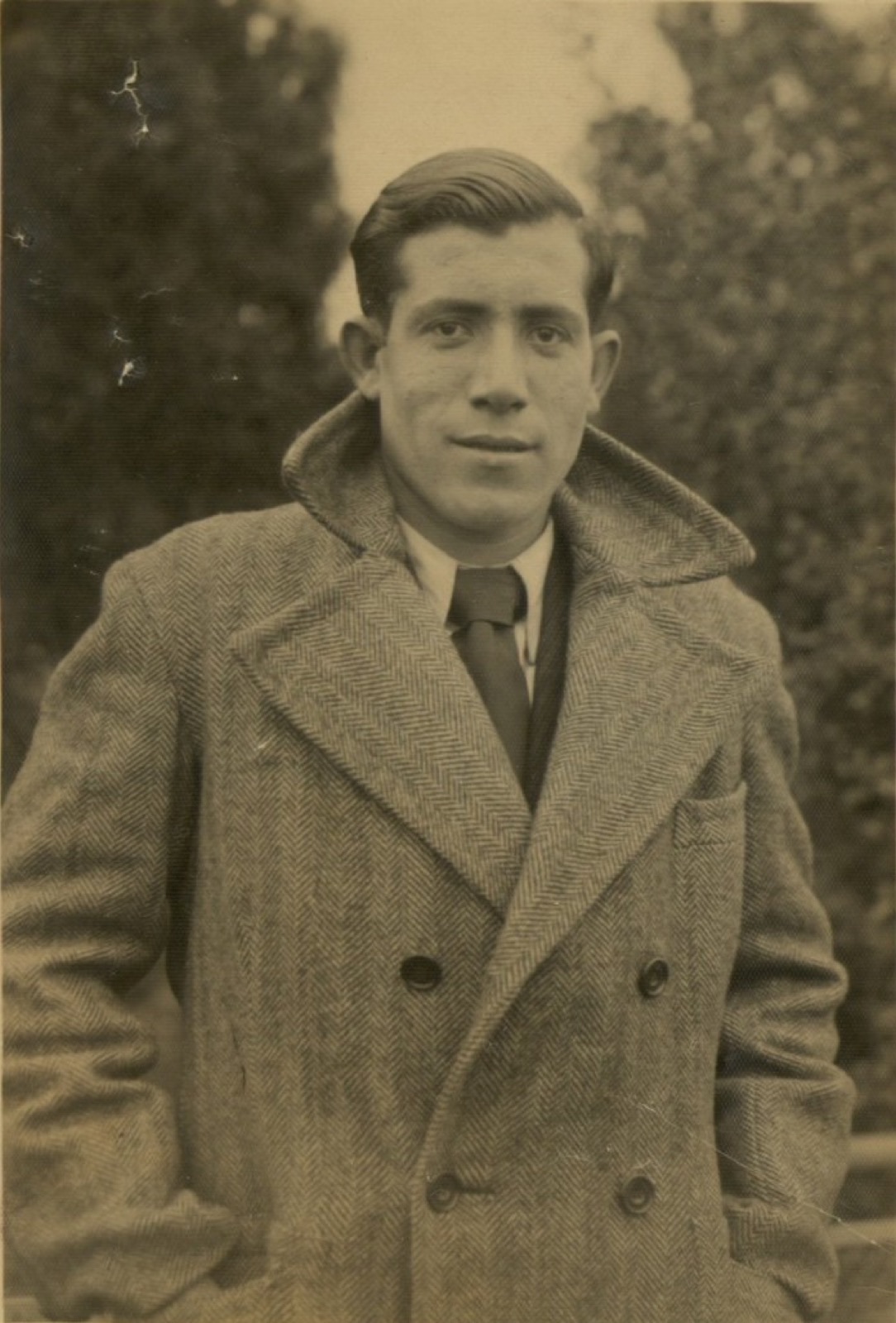
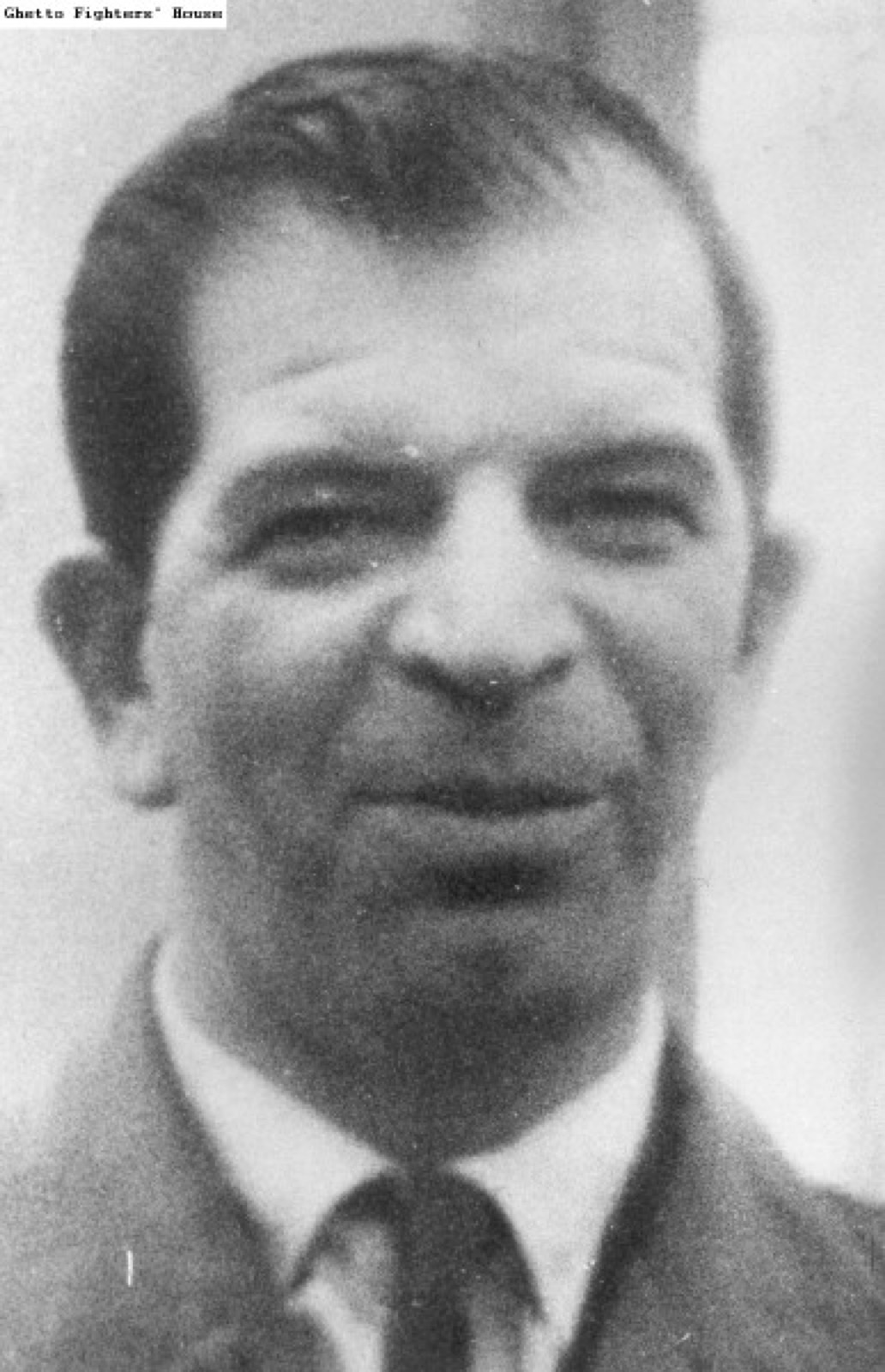
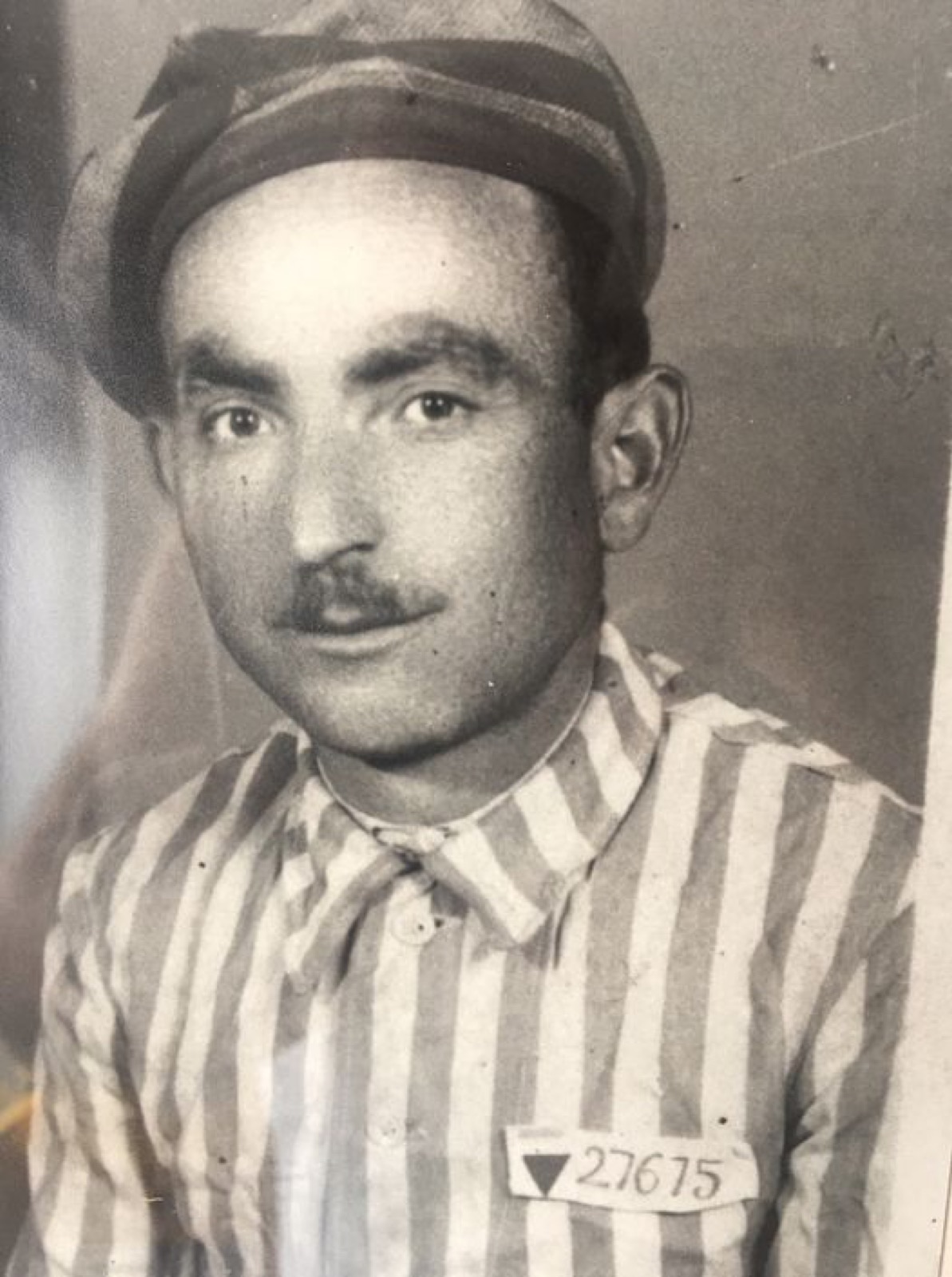
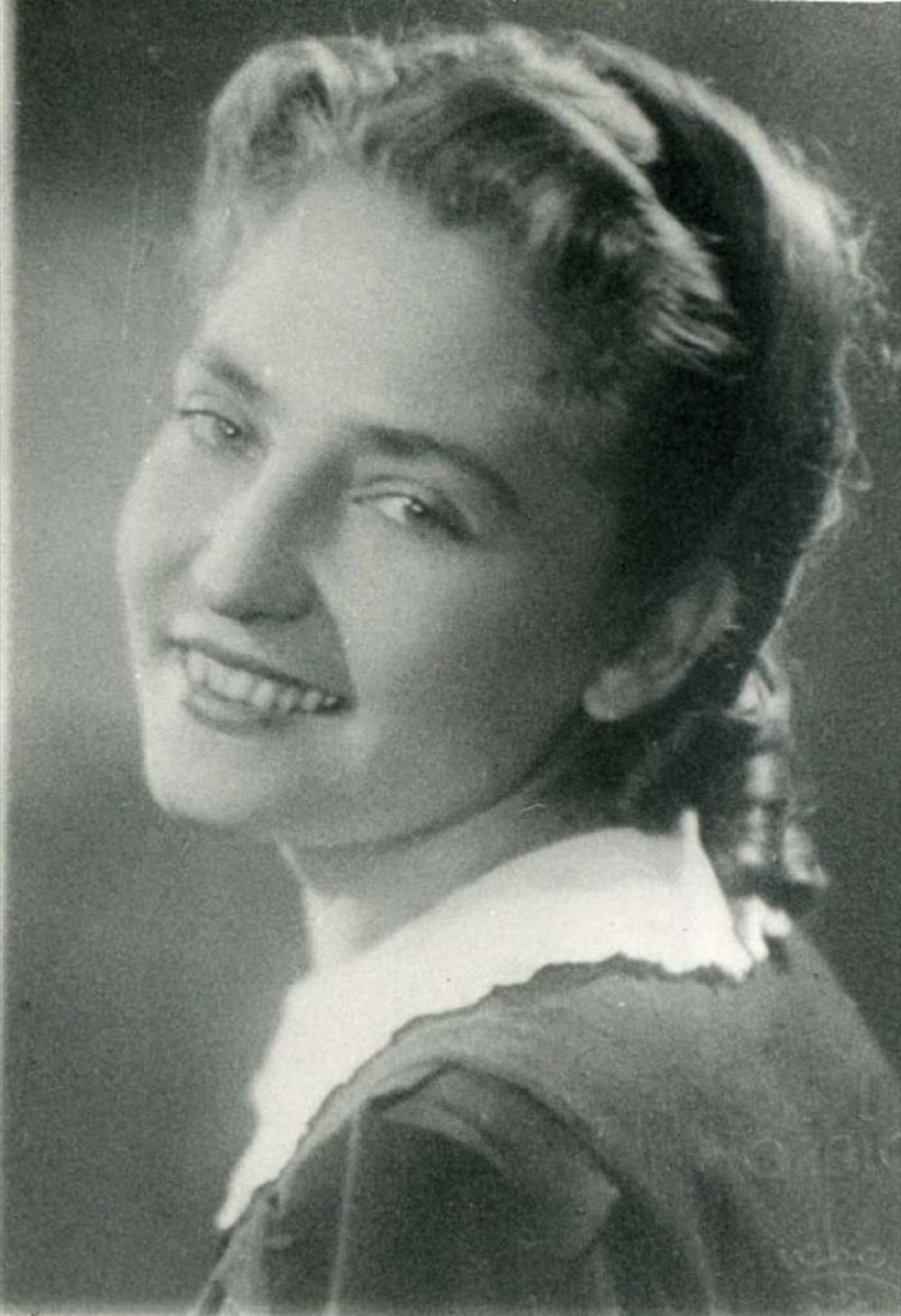
The argument must stay attached to names.
Four people made the survival of this evidence possible. If the debate becomes abstract enough to erase them, the debate has already failed.
Two serious refusals. Two serious obligations.
Lanzmann
Dramatic recreation risks violating the event by making the gas chambers visually consumable.
Didi-Huberman
Refusing the images can also be an evasion, because they were made as evidence at enormous cost.
This video has the microshort's original audio. The Listen button above plays separate lesson narration.
Watch it as a position, not only as content.
What does the film claim by reconstructing the taking of photographs, then withholding the real photographs until the end?
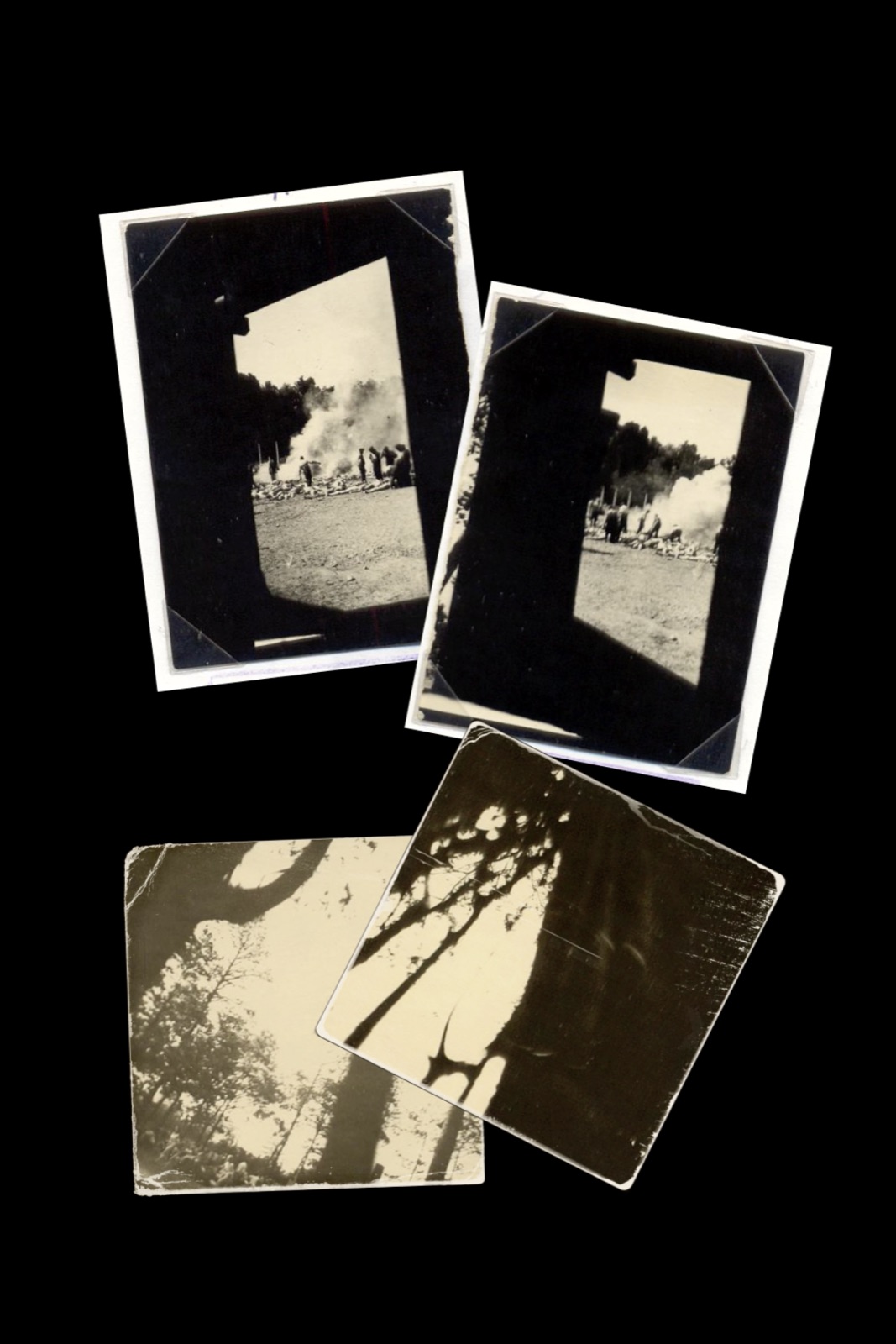
Name the residue before you argue.
One word. Then the analysis can begin.
The flaws are not noise. They are evidence.
Cropping can clarify an image while distorting the historical situation that produced it. Here, the doorway, tilt, and accident matter.
The note calls the images proof.
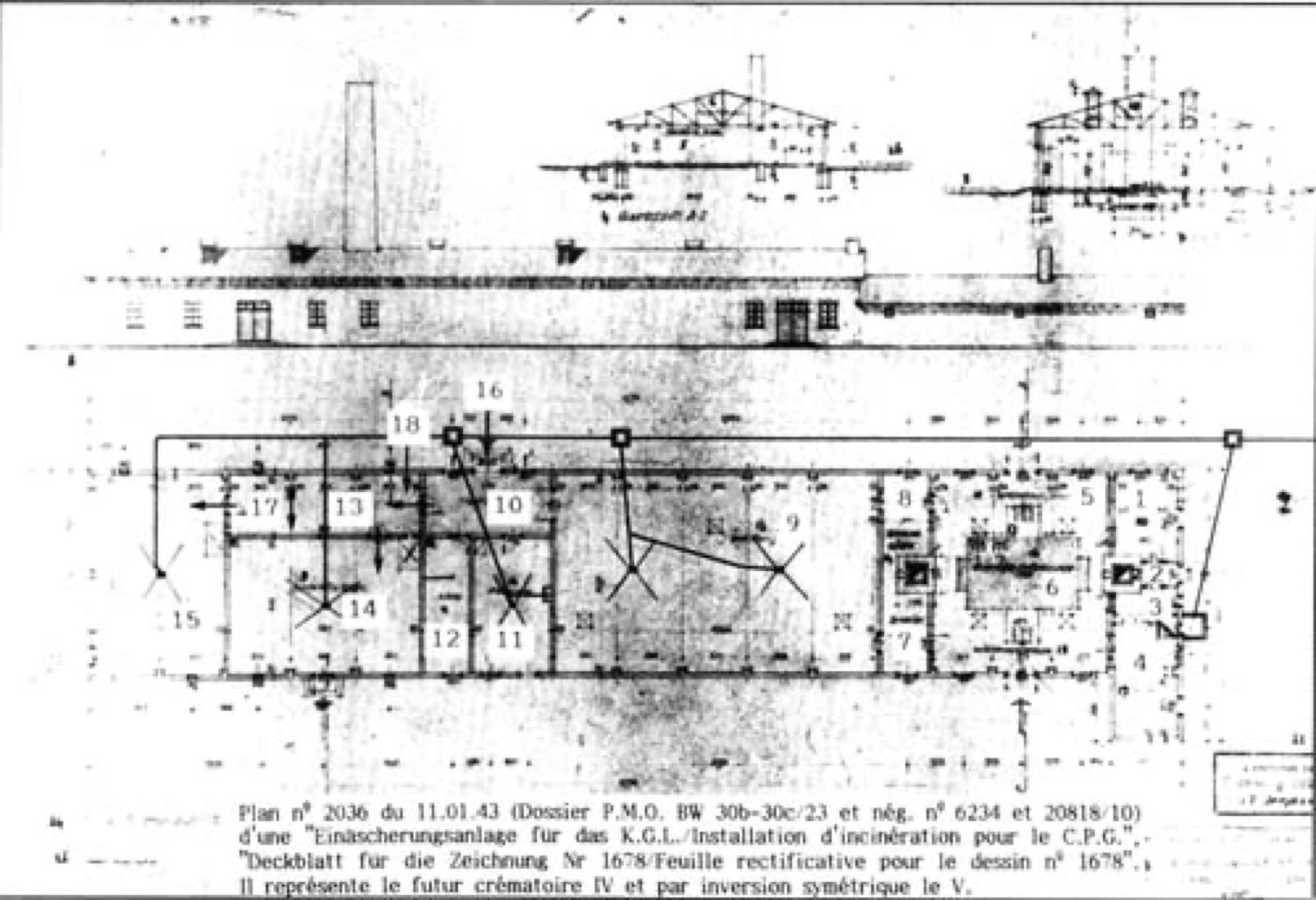
"Urgent. Send two metal rolls of film... Have possibility of taking photos. Sending you photos from Birkenau - from the gas chambers." Jozef Cyrankiewicz and Stanisław Kłodziński, September 4, 1944
Should these images be shown?
Take a position that can survive the strongest objection from the other side.
Defend the frame you choose.
Your task is not only to make something. It is to explain why your form is ethically and historically defensible.
Choose the output you want to build.
Required move
Name what is gained by your representational choice.
Required cost
Name what is lost, risked, or made harder by that same choice.
Leave with the disagreement intact.
Complete the frame as a position, not a mood.
The position I am most prepared to defend is ___. The most serious objection is ___. I take my position anyway because ___. What I owe the four people at the center of this story is ___.